

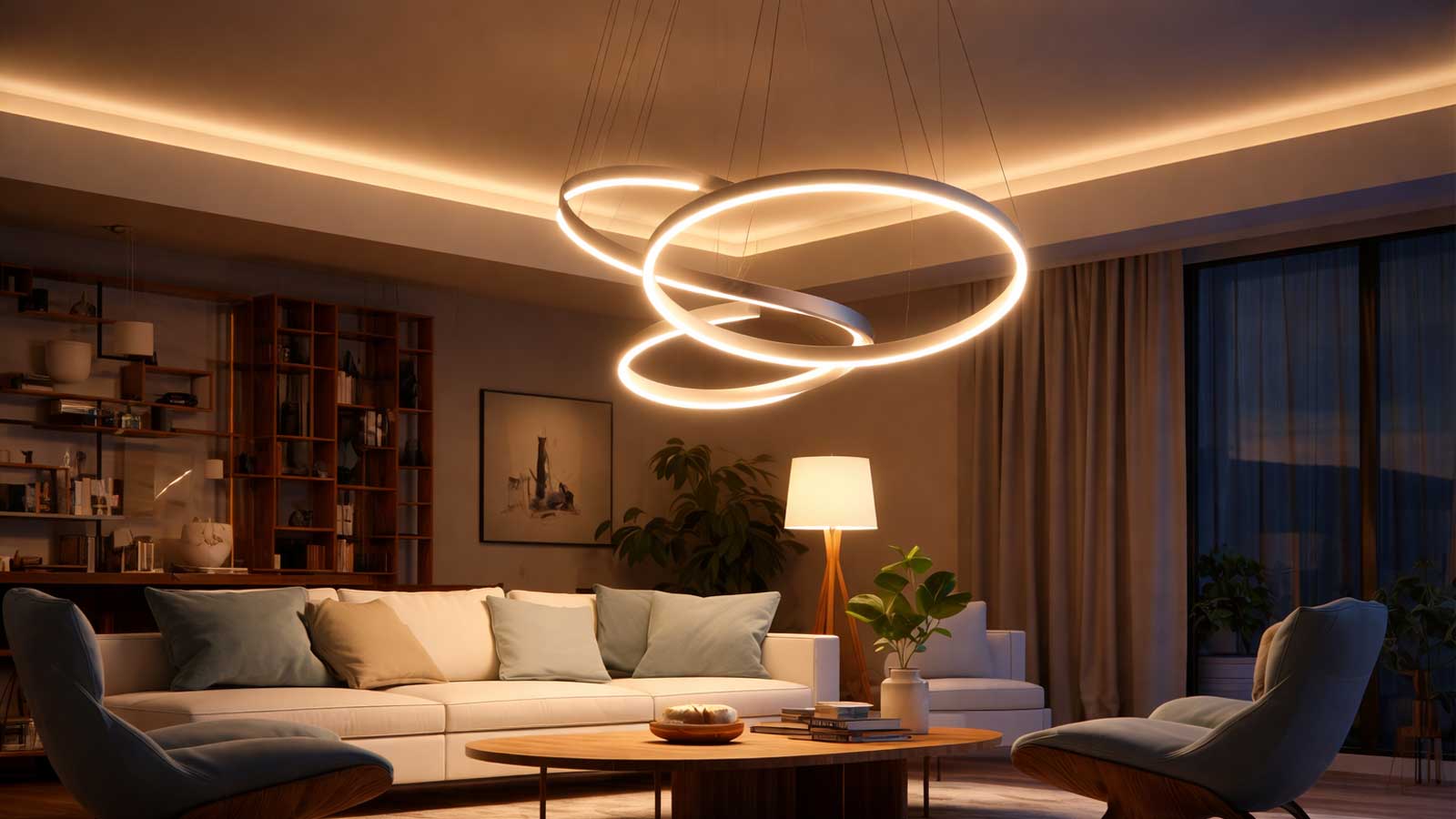
Lighting is one of the most influential elements of interior design, yet it is often underestimated during home planning or renovation. Many people focus primarily on furniture, wall colors, or decorative elements, while decisions about lighting are left until the very end. Unfortunately, this approach often results in interiors that feel uncomfortable, bland, or unbalanced.
However, well-designed lighting does much more than simply illuminate a room. It creates atmosphere, highlights architectural features, improves visibility, and supports everyday activities. When thoughtfully designed, lighting can transform an ordinary interior into a pleasant, functional, and visually interesting space.
In this guide, we’ll look at the most common mistakes made when designing interior lighting and explain how to avoid them. Whether you’re designing a new home or updating an existing interior, understanding these principles will help you create a more balanced and comfortable lighting scheme.
Article Content
- Why Interior Lighting Design Is Important
- Mistake 1: Relying on a single light source
- Mistake 2: Incorrect choice of light temperature
- Mistake 3: Focusing on watts instead of lumens
- Mistake 4: Incorrect placement of light fixtures
- Mistake 5: Forgetting about dimmable lighting
- Mistake 6: Ignoring the technical specifications of lighting
- Frequently Asked Questions
Why Interior Lighting Design Is Important
Lighting plays a crucial role in how people perceive a space. It affects mood, comfort, and how colors and materials appear under artificial light. Even a very well-designed room can seem unfinished if the lighting is poorly planned.
A well-designed lighting system enhances both aesthetics and functionality. It allows spaces to adapt to various activities throughout the day while maintaining visual comfort.
High-quality lighting design can:
- Improve visibility and reduce eye strain during everyday activities
- Create a warm and pleasant atmosphere in living spaces
- Highlight architectural elements, structures, and decorative details
- to support various activities, such as relaxing, reading, or working
That is precisely why lighting should always be considered an important part of interior design, rather than just the final step.
Mistake 1: Relying on a single light source

One of the most common mistakes is relying on light single ceiling light to light an entire room. While a central light can provide basic illumination, it usually fails to create a comfortable or visually interesting environment.
Professional lighting designers therefore use the concept of layered lighting, which combines different types of light sources to create depth and flexibility.
Instead of a single strong light source, a well-designed lighting plan should include several layers:
- Ambient lighting that provides general illumination for a room and allows for safe movement within the space.
- Task lighting designed for specific activities, such as reading, working, or cooking.
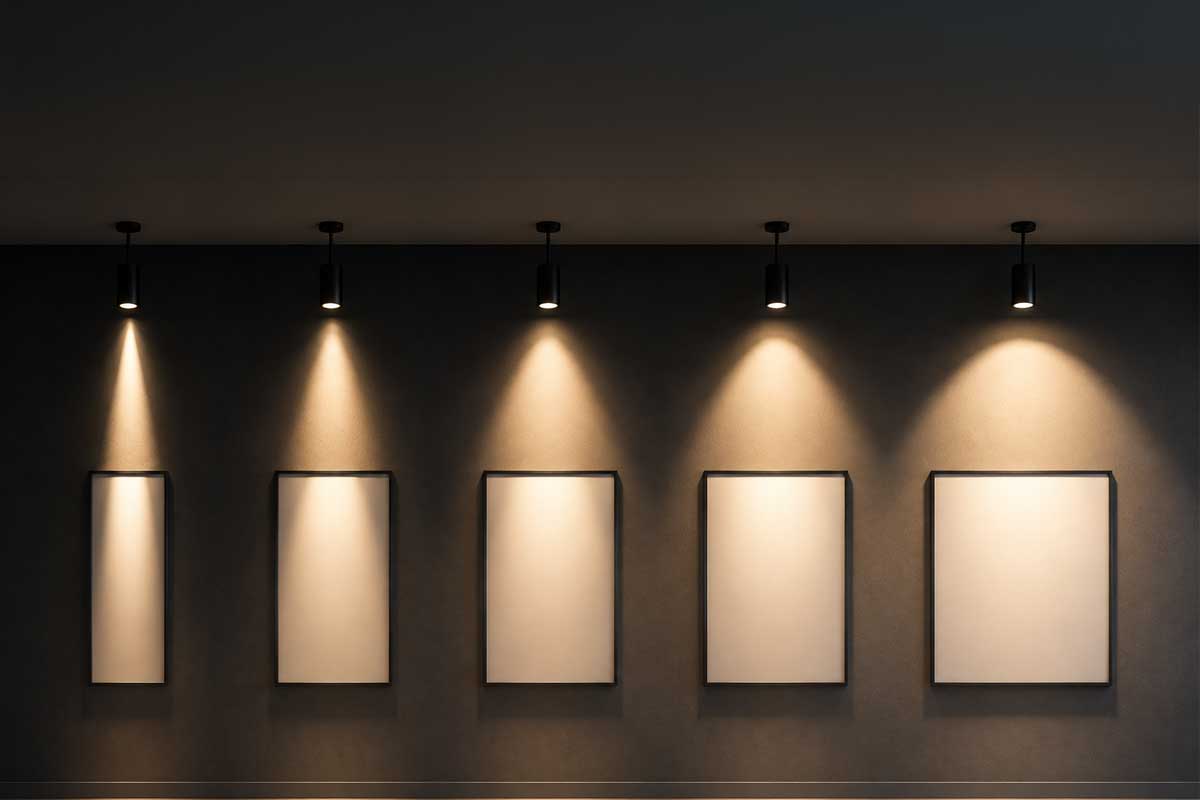
- Accent lighting that highlights paintings, architectural features, or decorative objects.
By combining these layers, the space becomes more dynamic and visually balanced, while also improving comfort and functionality.
Mistake 2: Incorrect choice of light temperature
Light temperature has a major impact on a room’s atmosphere, yet many people do not take it into account when choosing lighting.

Why is warm lighting suitable for the home?
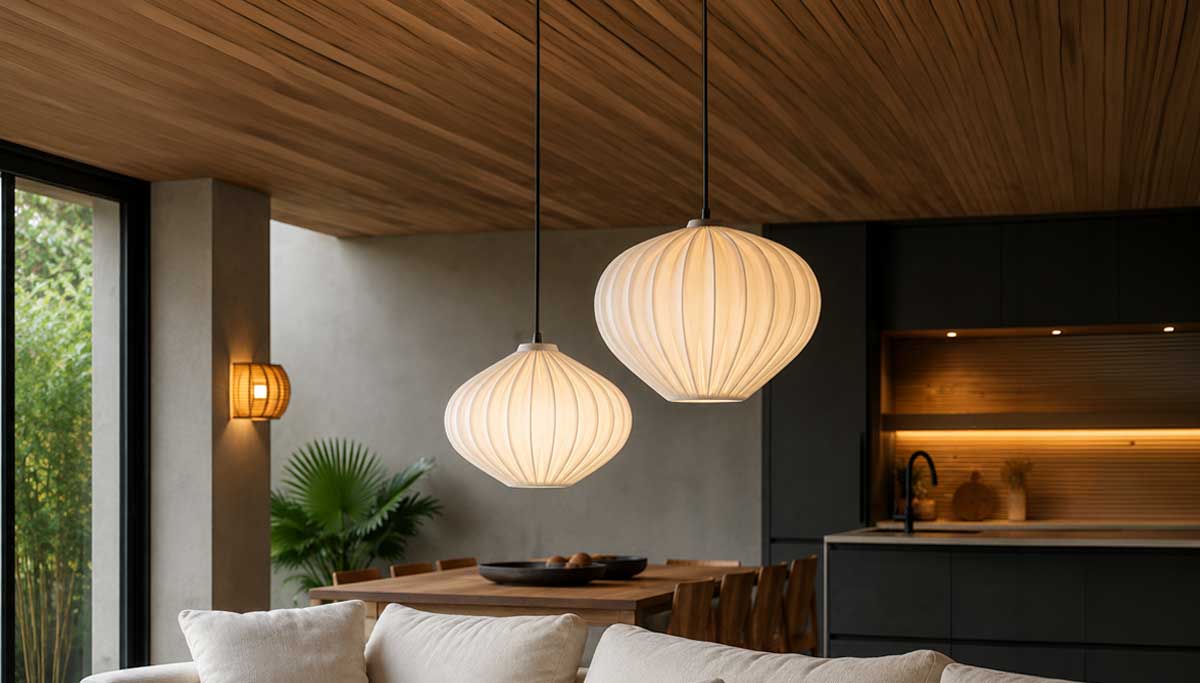
Warm light, typically ranging from 2700K to 3000K, creates a soft lighting effect similar to that of a sunset or traditional incandescent bulbs. This type of light helps create a cozy and relaxing atmosphere, which is why it is often used in living rooms, bedrooms, and dining rooms.
Cooler light with a color temperature above 4000K It produces brighter, bluish tones that appear more energetic and high-tech. It’s better suited for workspaces, garages, or workshops where visibility is more important than ambiance.
Choosing the right light temperature for each room helps ensure that the lighting supports both the function of the space and its atmosphere.
Mistake 3: Focusing on watts instead of lumens
Another common mistake is judging light brightness based on watts. With modern lighting, especially LED technology, however, watts primarily indicate energy consumption, not actual light intensity.
Light output should be measured in lumens, which indicate the amount of visible light emitted by a light source.
For example:
- A small living room may need approximately 1,500–2,500 lumens
- Larger spaces may require 4,000 lumens or more
Choosing the right number of lumens helps ensure that a room is sufficiently lit without the light appearing too harsh or unpleasant.
LED lighting is very efficient in this regard because it provides high light output while consuming significantly less energy than traditional light bulbs.
Mistake 4: Incorrect placement of light fixtures
Even high-quality lighting won’t work properly if they’re placed in the wrong spot. Poor placement of light fixtures can cause glare, uneven lighting, or unpleasant shadows.
For example, a bright light placed directly above the TV can create distracting glare on the screen. Similarly, reading lamps placed in front of a person can shine directly into their eyes instead of illuminating the book.
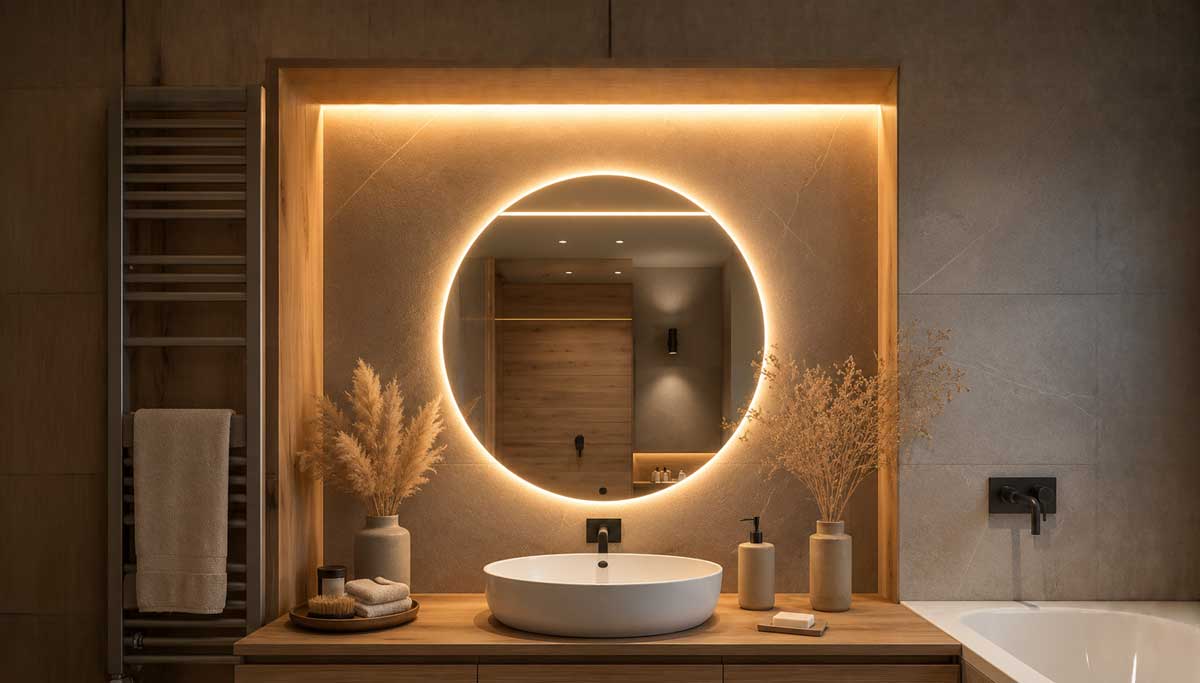
Careful placement of lighting ensures that light falls exactly where it’s needed while remaining visually pleasing. In many cases, indirect light sources—such as LED strips behind furniture or shelves—can soften the atmosphere.
Mistake 5: Forgetting about dimmable lighting

Lighting needs change throughout the day. Bright light is useful for cleaning, working, or daily activities, while in the evening most people prefer softer lighting.
Without dimmable lighting, it is difficult to adjust the atmosphere of a room to the current situation. Installing dimmers makes it easy to control light intensity and adapt the lighting to different activities.
Dimmable systems also offer practical benefits—they can reduce energy consumption, extend the lifespan of light sources, and provide greater flexibility in creating the desired atmosphere in a space.
Mistake 6: Ignoring the technical specifications of lighting
When choosing lighting fixtures, many people focus solely on their design, but the technical specifications of the lighting are just as important for the resulting quality of light.
Key parameters include, for example:
CRI (Color Rendering Index)
This parameter indicates how accurately the light renders colors. For most living spaces, a CRI of at least 80 is recommended, while in interiors where accurate color rendering is important, it is usually best to choose even higher values.
The UGR value indicates the degree of glare caused by a light fixture. Properly selected lighting with a low UGR value contribute to greater visual comfort and help prevent unpleasant glare while working, reading, or spending extended periods of time indoors.
Beam angle
This determines how widely the light from lighting spreads. A narrow beam angle is suitable for accent lighting, while a wider beam angle is better for general room lighting.
Understanding these parameters helps ensure that the lighting will work well not only visually but also practically.
Conclusion
Mistakes in interior lighting design are relatively common, but they can significantly affect both the comfort and appearance of a space. Relying on a single light source, choosing the wrong color temperature, ignoring lumens, or placing fixtures in inappropriate locations can diminish the quality of an interior.
By understanding the principles of layered lighting, choosing the right color temperature, and taking technical parameters such as lumens and CRI into account, homeowners can create lighting that is both beautiful and functional.
A well-thought-out lighting design not only improves the visual quality of an interior but also enhances the everyday comfort and practicality of the space. When lighting is designed correctly, it becomes one of the most effective tools for creating a pleasant and harmonious home.
Frequently Asked Questions About Interior Lighting
What are the most common mistakes made when designing interior lighting?
The most common mistakes include relying solely on a single central light, using an inappropriate color temperature, insufficient light intensity, poor placement of light fixtures, lack of dimming, and ignoring technical parameters such as lumens or CRI.
Why isn't one ceiling light enough for the whole room?
A single central light source usually cannot provide even and comfortable lighting. Modern interiors use layered lighting that combines ambient, task, and accent lighting for better functionality and atmosphere.
What is the best color temperature for a home?
Warm white light in the range of 2700K to 3000K is most often recommended for living spaces. In kitchens, bathrooms, or work areas, neutral white light around 3500K to 4000K is usually more suitable.
Which is more important—watts or lumens?
Lumens are important for assessing light brightness. Watts primarily indicate energy consumption. Modern LED lighting can provide high light output while consuming very little electricity.
What does CRI mean in lighting?
CRI (Color Rendering Index) refers to a light source’s ability to accurately render colors. For standard residential spaces, a CRI of at least 80 is recommended, while for more demanding applications, a CRI of 90 or higher may be appropriate.
Is dimmable lighting worth it?
Yes. Dimmable lighting allows you to adjust the light intensity to suit different activities throughout the day. It helps create a more pleasant atmosphere, enhances the comfort of the space, and can help reduce energy consumption.
How can you properly combine different types of lighting?
It’s ideal to combine general room lighting with task lighting and accent lighting. This principle of layered lighting ensures sufficient light for everyday activities while also creating a pleasant atmosphere in the interior.
Are you looking for lighting for your home?
Browse our selection of ceiling, pendant, wall, and LED lights to create lighting that is functional, comfortable, and perfectly coordinated with your interior. Choose lighting for your living room, kitchen, bedroom, and other living spaces.
Browse interior lighting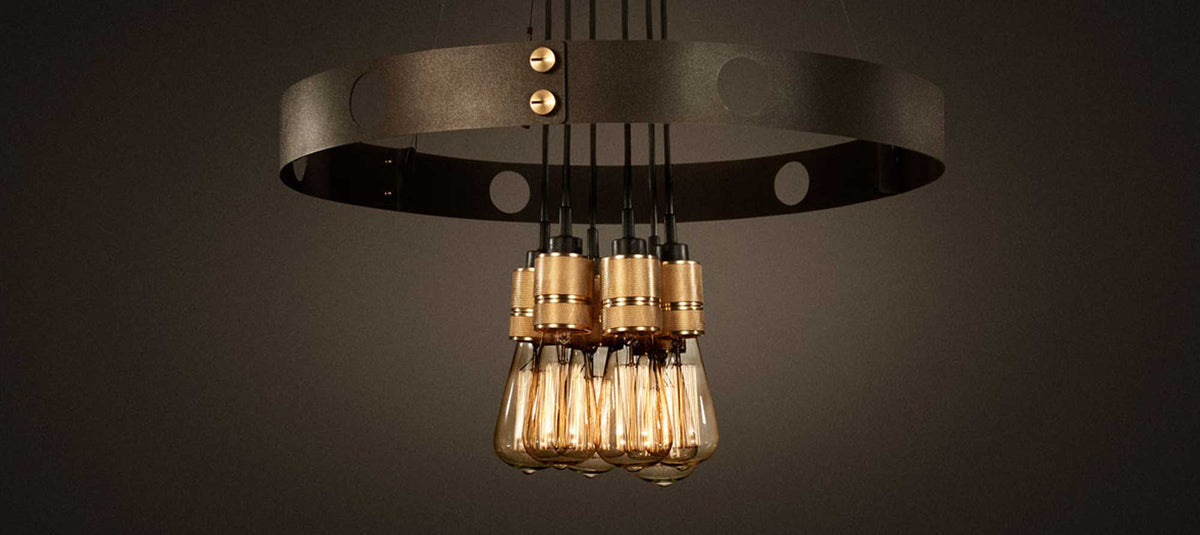
Share:
Integrated LED Module vs. Incandescent Bulb – Pros, Cons, and Comparison
How to Choose an LED Bulb?