

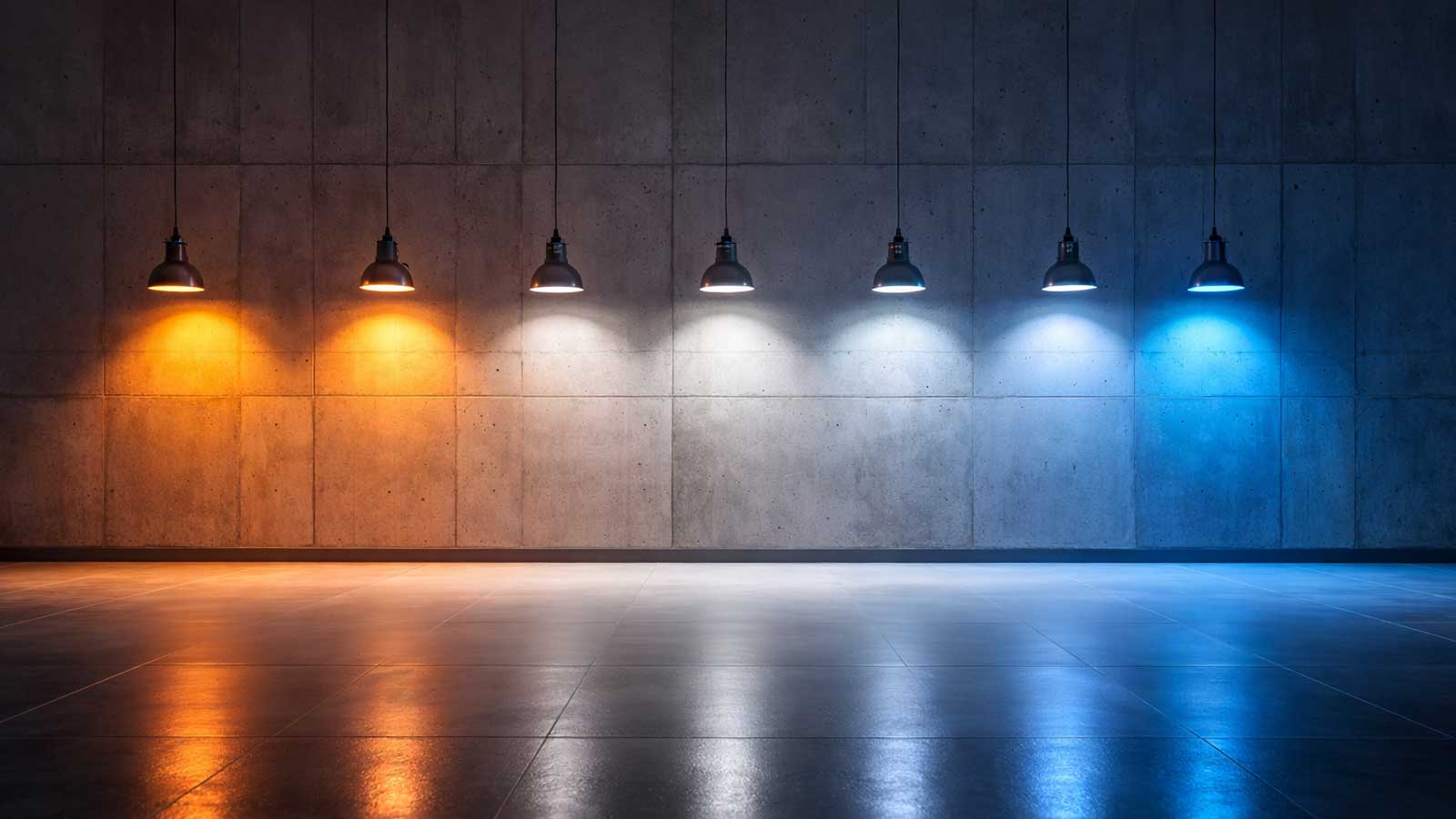
Lighting plays a crucial role in how we perceive interior spaces. It affects not only visibility but also mood, comfort, and productivity. A room lit with warm light can feel cozy and relaxing, while cooler light often creates a brighter and more energetic environment. One of the key technical factors behind these differences is CCT, or correlated color temperature.
Although many people can tell the difference between warm and cool light, they often don’t fully understand what causes this difference. Choosing the right color temperature is essential for creating comfortable and functional lighting in homes, offices, and commercial spaces.
Understanding how color temperature works is an important part of interior lighting design. When chosen correctly, lighting can significantly improve both the atmosphere of a space and its practical usability.
Article Content
- What is CCT (Correlated Color Temperature)?
- Why Is Color Temperature Important in Interior Lighting?
- Overview of different color temperature ranges
- Why Warm Light Is Suitable for the Home
- How to Choose the Right Color Temperature for Each Room
- How CCT Works in Modern LED Lighting
- Common Mistakes When Choosing a Color Temperature
- Frequently Asked Questions About Light Temperature
What is CCT (Correlated Color Temperature)?

CCT stands for Correlated Color Temperature. It is a value that describes the color appearance of light emitted by a light source. It is measured in Kelvin (K) and determines whether the light appears warm, neutral, or cool.
Lower Kelvin values produce warmer light with a yellow to golden hue. Conversely, higher Kelvin values produce cooler light, which appears brighter and may have a slight bluish tint. Although the term includes the word “temperature,” it does not refer to the actual physical heat of the light bulb. It merely describes the visual color tone of the light.
Understanding CCT helps homeowners and designers choose the right lighting for different types of spaces. This is because light temperature significantly affects how pleasant a room feels and how well everyday activities can be performed in it.
Why Is Color Temperature Important in Interior Lighting?

Light temperature has a significant impact on both the atmosphere and functionality of a room. Even if the light intensity remains the same, changing the color temperature can completely alter the overall impression of the space.
The right choice of light temperature affects much more than just the appearance of a room. It determines how we feel in a space, how well we can work, and how naturally the colors and materials in the interior stand out.
Interior Atmosphere
Light temperature significantly influences how a room makes us feel. Warm light creates a cozy and relaxing atmosphere suitable for rest, while neutral or cool light gives a space a fresher and more energetic feel.
Focus and Productivity
In workspaces, home offices, or kitchens, neutral to cooler light helps improve visibility and promote concentration. This makes work more comfortable and less straining on the eyes.
Colors and Materials
Different light temperatures change the way we perceive wood, stone, fabrics, or wall colors. The right color temperature can highlight the texture of materials and give an interior a more natural look.
Visual comfort
A well-chosen color temperature reduces eye strain during everyday activities such as reading, cooking, or working on a computer. The result is a more pleasant environment where you can spend long hours without unnecessary discomfort.
When designing lighting, don’t just think about the output of the fixtures. The same light intensity can create a completely different atmosphere at different CCT values. That’s why lighting designers always take color temperature into account when designing layered interior lighting.
Overview of different color temperature ranges

Light temperature is typically divided into three main categories—warm white, neutral white, and cool white. Each creates a different atmosphere and is suitable for a different type of room. The overview below will help you quickly choose the right light temperature based on how you plan to use the space.
| Light color temperature | The Nature of Light | Ideal for use |
|---|---|---|
| 2700–3000 K | Warm white | Living room, bedroom, dining room |
| 3500–4000 K | Neutral White | Kitchen, bathroom, home office |
| 5,000 K and above | Cool White | Workshop, garage, utility rooms |
Warm white (2700K–3000K)
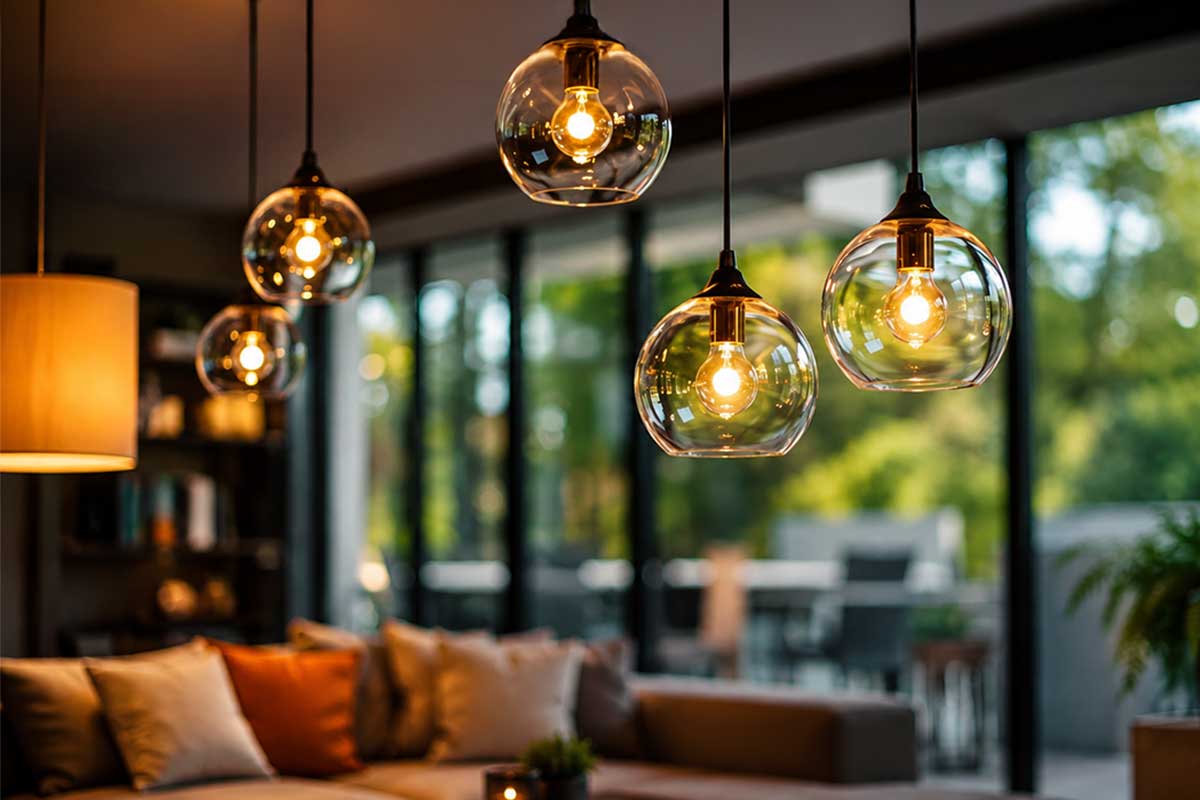
Warm white light resembles the light of classic incandescent bulbs or a sunset. It creates a pleasant and cozy atmosphere, making it ideal for spaces designed for rest and relaxation.
It’s most commonly used in living rooms, bedrooms, or dining rooms, where it enhances a sense of comfort and a cozy, homey atmosphere. If you’re choosing lighting for your bedroom, this color temperature range is among the most recommended. We cover this topic in more detail in our guide to bedroom lighting.
Neutral white (3500K–4000K)
Neutral white offers a balanced compromise between warm and cool light. It provides natural color rendering and sufficient light for everyday activities without appearing too cold.
That’s why it’s a popular choice for kitchens, bathrooms, and home offices, where good visibility and a pleasant atmosphere are important. If you’re planning the lighting for your countertop or dining area, we also recommend reading our article on kitchen lighting.
Cool white (5000K and above)
Cool white light creates the greatest sense of brightness and promotes concentration during activities where precision and good visibility are important. It often has a slightly bluish tint, which gives it a fresh and technical look.
It is most commonly used in workshops, garages, warehouses, or other technical spaces. It is rarely used in ordinary living spaces because it can disrupt the cozy atmosphere and appear too cold.
Why Warm Light Is Suitable for the Home

Many people ask why warm light is recommended for living spaces. The reason isn’t just aesthetic. Light with a color temperature of around 2700–3000 K resembles natural evening light, which the human eye perceives as pleasant and soothing. That’s why it’s ideal wherever you want to create a relaxing atmosphere.
Creates a cozy atmosphere
Warm light gives an interior a cozy, homey feel. Thanks to its soft yellowish hue, it makes rooms feel more inviting and creates an atmosphere perfect for relaxation and spending time with family.
Promotes relaxation
Unlike cooler tones, warm light has a calmer effect and is easier on the eyes. In the evening, it helps create an atmosphere suitable for reading, watching TV, or relaxing after a busy day.
It better highlights the materials
Wood, stone, fabric, and other natural materials look more natural under warm light and take on greater depth. This gives the interior a harmonious and elegant feel.
If you’re choosing lighting for a typical apartment or single-family home and aren’t sure about the right color temperature, the safest choice for most living spaces is 2700–3000 K. It offers a pleasant atmosphere, blends well with most interiors, and has long been among the most frequently recommended choices by lighting designers.
How to Choose the Right Color Temperature for Each Room
Choosing the right light temperature depends primarily on how you use a given space. You expect a different atmosphere in the bedroom, a different one while cooking, and yet another while working in the workshop. Below you’ll find general recommendations to help you choose the right lighting for each room.
Living Room
2700–3000 K
Warm white
Warm white light creates a pleasant atmosphere for relaxing, watching TV, or spending time with family.
→ Read the full guideBedroom
2700 K
Warm white
Soft, warm light promotes relaxation, creates a calm atmosphere, and helps prepare the body for a good night’s sleep.
→ Read the full guideKitchens
3500–4000 K
Neutral White
Neutral white light provides sufficient brightness for cooking, food preparation, and cleaning, while maintaining natural color rendering.
→ Read the full guideBathroom
3500–4000 K
Neutral White
Balanced, neutral light makes daily hygiene routines, shaving, or applying makeup easier and ensures accurate color rendering.
→ Read the full guideHome office, garage, or workshop
4000–5000 K
Cool White
Cooler light promotes concentration, improves visibility of details, and helps reduce eye strain while working.
The right color temperature will help every room serve its purpose—from creating a cozy atmosphere to ensuring optimal lighting conditions for work or everyday activities.
How CCT Works in Modern LED Lighting
Modern LED technology offers much greater flexibility in choosing light temperature than traditional light sources. Many LED fixtures are now available in several CCT options, so you can choose the light that best suits a specific space and your needs.
More advanced LED systems also support adjustable color temperature and dimming. This allows you to easily switch throughout the day from warm, relaxing light to cooler tones suitable for work or concentration.
Energy Efficiency
LED lighting consume significantly less electricity than traditional incandescent bulbs while maintaining high light output.
Long service life
High-quality LED light sources last tens of thousands of hours, which reduces the need for frequent replacement and lowers maintenance costs.
Consistent light quality
Modern LED technology offers consistent light output and a precisely defined color temperature across individual fixtures.
Thanks to these features, LED technology has become the standard in modern lighting design for homes, offices, and commercial spaces.
Common Mistakes When Choosing a Color Temperature
When choosing lighting, people often focus only on lighting output or design and do not pay enough attention to the color temperature. Yet an improperly chosen color temperature can significantly affect the atmosphere, comfort, and overall appearance of an interior.
Conclusion
CCT, or correlated color temperature, is one of the most important factors in interior lighting design. It determines whether light appears warm, neutral, or cool, and significantly influences both the atmosphere and functionality of a space.
By understanding the different color temperature ranges and choosing the right lighting for specific rooms, homeowners can create interiors that are not only pleasant but also practical.
Well-thought-out lighting design combined with modern LED technology makes it possible to create spaces that are visually appealing, energy-efficient, and perfectly tailored to everyday needs.
Frequently Asked Questions About Color Correlated Temperature (CCT)
What does CCT mean in lighting?
CCT (Correlated Color Temperature) refers to the color tone of light emitted by a light source. It is measured in Kelvin (K) and determines whether the light appears warm, neutral, or cool.
What is the difference between 2700K and 4000K?
Light with a color temperature of 2700K has a warm, yellowish hue that creates a cozy and relaxing atmosphere. In contrast, 4000K provides neutral white light that appears brighter and is suitable for kitchens, bathrooms, or workspaces, for example.
What is the best color temperature for a living room?
For the living room, warm white light in the range of 2700K to 3000K is most often recommended. It creates a pleasant atmosphere suitable for relaxing, watching TV, or spending time with family.
What color temperature is best for a kitchen?
Neutral white light with a color temperature of 3500K to 4000K is usually recommended for the kitchen. It provides good visibility while cooking, preparing food, and cleaning, and at the same time creates a natural atmosphere.
Is it possible to combine different light temperatures in a single interior?
Yes. Different light temperatures can be used in various rooms or areas depending on their purpose. It is important to maintain harmony and avoid overly pronounced differences between light sources in the same space.
What does “cool white light” mean?
Cool white light typically has a color temperature of 5000K or higher. It appears bright and energetic and may have a slightly bluish tint. It is often used in workshops, garages, utility rooms, or offices.
What color temperature should you choose for your bedroom?
Warm white light around 2700K is ideal for the bedroom. It promotes relaxation, creates a pleasant atmosphere, and helps prepare the body for rest and sleep.
Are you looking for lighting with the right color temperature?
Browse our selection of LED fixtures, pendant lights, wall sconces, and modern lighting systems, and choose lighting with a color temperature that perfectly complements your interior.
Browse lighting
Share:
Dimmable lighting: types, principle of operation and correct installation
Understanding the layers of lighting in the children's room