

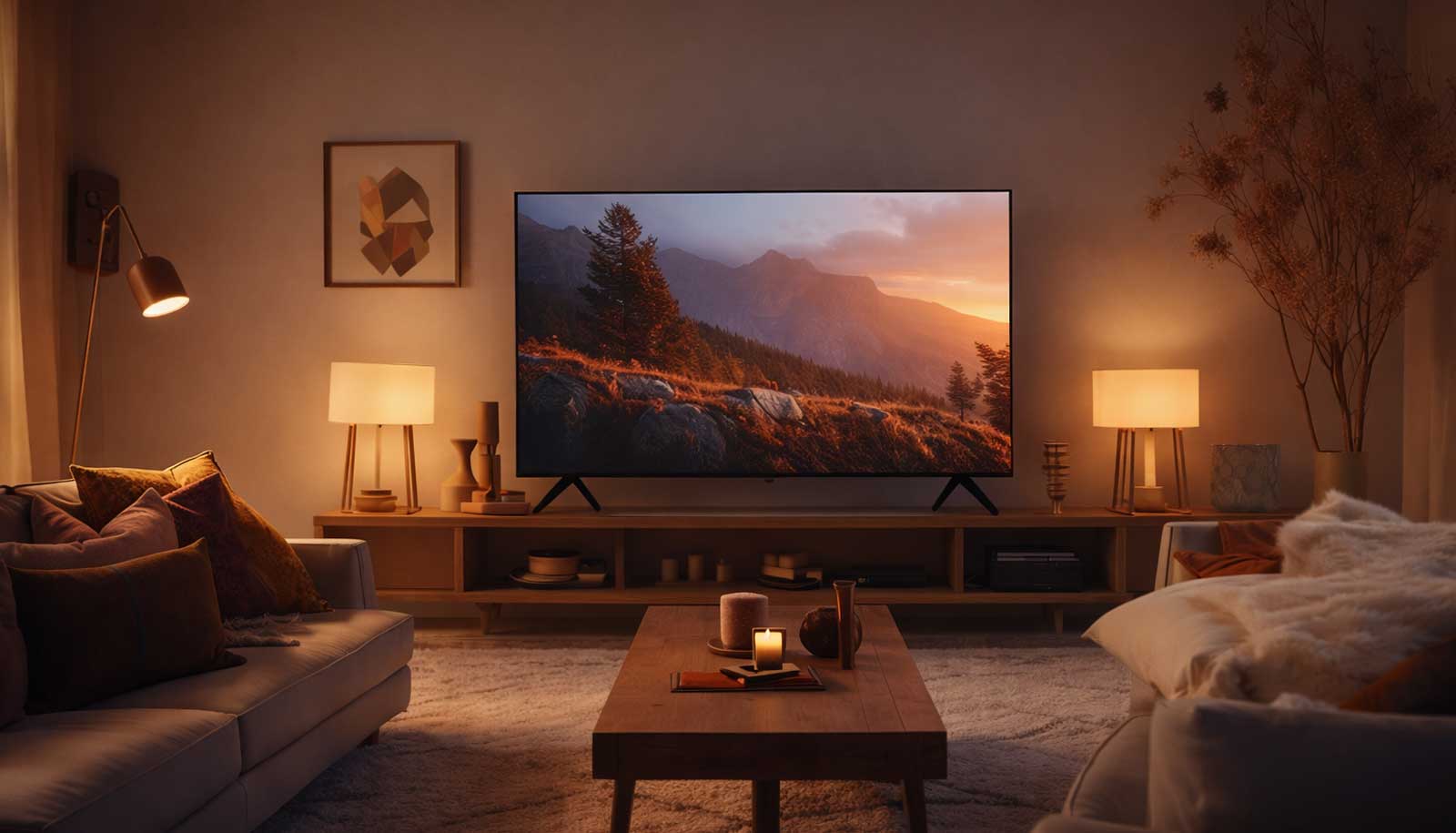
Lighting is one of the most important design elements in a living room—yet it is often underestimated. Properly designed interior lighting affects not only the appearance of the space but also the overall atmosphere and comfort of your home. Whether you’re designing a modern minimalist interior or a cozy Scandinavian-style space, choosing the right lighting requires a combination of creativity and technical understanding.
In this guide, we’ll walk through the basic principles of living room lighting—from layered lighting and light temperature to lumens, choosing fixtures, and their proper placement.
Article content
- Why is lighting in the living room important?
- How to properly design living room lighting
- Layered lighting
- The right light temperature
- Lumens and light intensity
- Selecting lighting fixtures based on interior style
- Proper placement of lighting fixtures
- Dimmable and smart lighting
- Common mistakes in living room lighting
- Frequently Asked Questions About Living Room Lighting
Why is lighting in the living room important?
The living room is one of the most multifunctional spaces in the home. We relax here after a long day, entertain guests, watch movies, read books, and sometimes even work here. Precisely because of these various functions, a single central ceiling light is usually not enough.
Well-designed lighting improves visual comfort, reduces eye strain, increases energy efficiency, and adds depth to an interior. Even more importantly, it allows a space to adapt to different situations throughout the day—bright, functional light during the day and soft, cozy lighting in the evening.
How to properly design living room lighting
Proper lighting design for an apartment requires a combination of aesthetics, functionality, and technical solutions. Every space has a different layout, amount of natural light, and intended use, so it is important to think about lighting holistically—from general lighting to task lighting to decorative and atmospheric elements.
When planning lighting, it is best to proceed step by step. With the right combination of lighting layers, appropriate color temperature, sufficient light output, and well-chosen fixture placement, you can create a living room that feels cozy, functional, and visually balanced.
Step 1: Understand the principle of layered lighting

Professional designers use a concept known as layered lighting. Instead of relying on a single central light source, they combine multiple types of lighting to create balance and flexibility.
Ambient lighting
Ambient lighting forms the foundation of a room. It provides general illumination of the space and ensures that the area is pleasant and safe to move around in. This function is typically fulfilled by ceiling lighting, pendant lighting, recessed spotlights, or LED panels.
For most living rooms, approximately 100–150 lumens per square meter is recommended. This creates a pleasant basic level of lighting without making the space appear too bright.
Work lighting
Task lighting is more focused and is used for specific activities, such as reading, working on a laptop, or doing crafts. Floor lamps next to the sofa, table lamps, or adjustable wall lamps are the ideal choice in this case.
By directing light exactly where it is needed, task lighting improves visibility and reduces eye strain, while adding functional flexibility to the space.
Accent lighting
Accent lighting adds character and depth to a space. It highlights artwork, architectural features, shelves, or textured walls. Popular LED lighting elements for the living room include LED strips behind the TV wall, wall lighting, or indirect ceiling lighting.
To create the right contrast, accent lighting should generally be about three times brighter than the object it highlights. This creates depth and visual interest without making the space feel overwhelming.
Step 2: Choose the right light temperature

Light temperature, measured in Kelvin (K), plays a crucial role in setting the mood in the living room.
Warm white light (2700K–3000K) is usually ideal for living spaces. It resembles the soft light of sunset and creates a cozy and pleasant atmosphere that promotes relaxation.
Neutral white light (3500K–4000K) creates a cleaner and more energetic impression, which is why it is more commonly used in kitchens, home offices, or utility rooms.
Cool white light (5000K and above) is typically used in garages or workspaces.
For most living rooms, it is ideal to stick to the 2700K–3000K range, which provides warmth and comfort without any unpleasant harshness.
Step 3: Focus on lumens, not watts
Many people still associate light brightness with wattage. With modern LED technology, however, watts primarily indicate energy consumption, not actual brightness.
Instead, it is important to look at lumens, which indicate the amount of light the source actually emits.
For your reference:
- A small living room (approx. 15 m²) requires approximately 1,500–2,500 lumens
- A medium-sized living room (approx. 25 m²) requires about 2,500–4,000 lumens
- Large living rooms (35 m² and larger) often require 4,000 lumens or more
LED lighting is very efficient—it consumes up to 80% less energy than traditional light bulbs and also has a significantly longer lifespan.
Step 4: Match the lighting to your interior style
Lighting should complement the interior style, not compete with it.
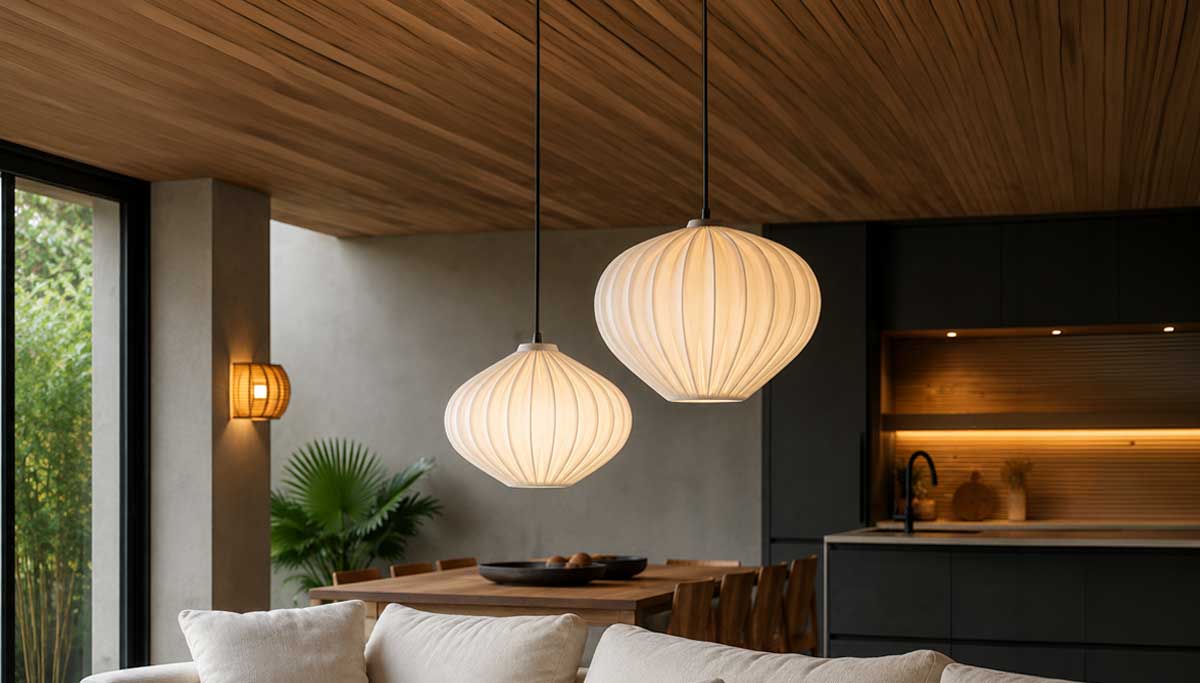
Clean lines, minimalist ceiling lighting, and linear LED lighting work wonderfully in a modern living room. Scandinavian interiors benefit from soft, diffused light, simple pendant lights, and natural materials that promote a sense of warmth.
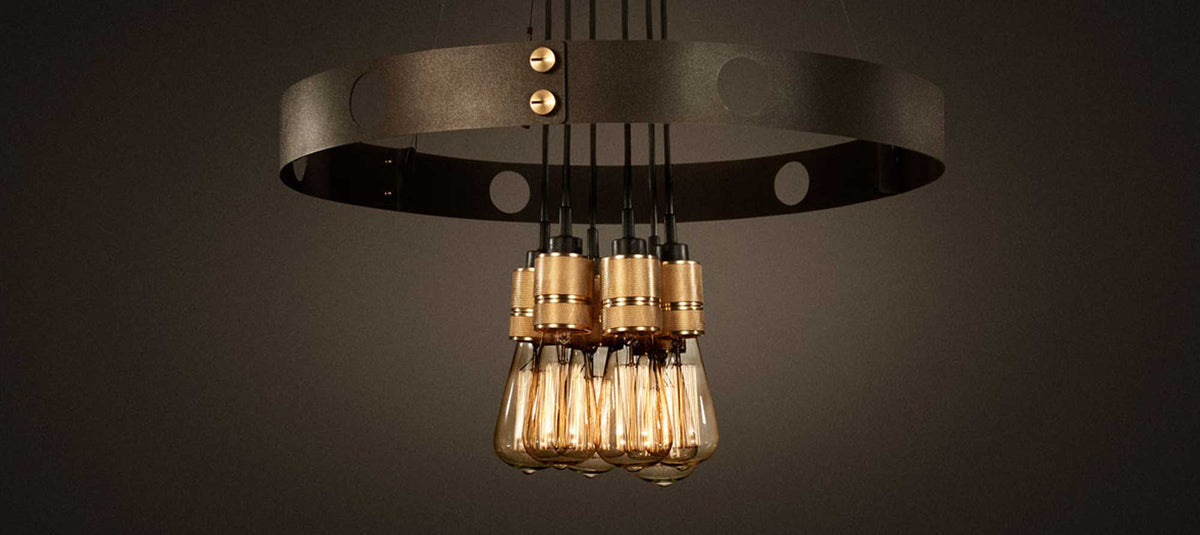
Industrial interiors often feature exposed light bulbs, metal surfaces, and track lighting systems. In contrast, luxury interiors may incorporate striking chandeliers, brass or gold finishes, and layered indirect lighting to create a sophisticated atmosphere.
light well-chosen light for the living room should not only be a design element but also a functional part of everyday lighting.
Step 5: Carefully plan the placement of your light fixtures

Even the most beautiful light won’t work well if it’s in the wrong place.
For example, avoid placing a bright light directly above the TV screen, as it can cause glare. Indirect lighting in the living room helps create a more pleasant atmosphere, soften contrasts, and enhance visual comfort during evening relaxation.
Reading lamps should ideally be positioned slightly above shoulder height to provide sufficient light without glare. Installing dimmers offers greater flexibility and allows you to adjust the light intensity according to the time of day or activity.
For maximum control, it is advisable to use multiple lighting circuits so that ambient, task, and accent lighting can operate independently of one another.
Step 6: Consider dimmable and smart lighting
Dimmable lighting is one of the easiest ways to increase a space’s flexibility. It allows you to switch from bright, functional light during the day to soft, atmospheric lighting in the evening. In addition to changing the mood, it also helps save energy.
Modern smart lighting takes possibilities even further. It offers app control, preset lighting scenes, and integration with voice assistants. This allows you to instantly adjust the lighting for activities such as watching a movie, entertaining friends, or relaxing.
Common mistakes in living room lighting
When designing living room lighting, the same mistakes are often repeated, which can negatively affect the atmosphere, comfort, and overall functionality of the space. Properly designed lighting should be balanced, flexible, and adapted to various activities throughout the day.
- Just one central light – A single ceiling fixture usually cannot evenly illuminate the entire space. This often results in dark corners and a flat-looking interior lacking depth.
- Light color that is too cool – Cool white light can make a living room feel uninviting and overly technical. For a relaxing atmosphere, warm light in the range of 2700K to 3000K is usually more suitable.
- Missing indirect lighting – A combination of direct and indirect lighting helps create a more pleasant atmosphere and soften contrasts in the room.
- Poor lighting placement near the TV – Bright light directed directly at the TV screen can cause annoying glare and eye strain. A better solution is soft LED lighting behind the TV wall.
- Lack of dimmable lighting – The ability to adjust light intensity significantly increases the flexibility of a space and makes it easy to change the atmosphere depending on the time of day or current activity.
Avoiding these mistakes will help you create modern living room lighting that feels cozy, functional, and visually balanced.
Final tips before choosing lighting
Before purchasing lighting fixtures, consider the size of the room, the ceiling height, the amount of natural daylight, and the atmosphere you want to create. Also think about how the space is used during the day, and choose solutions that combine aesthetics, functionality, and energy efficiency.
Conclusion
Well-designed living room lighting can significantly influence the atmosphere, comfort, and overall look of the interior. By combining layered lighting, the right color temperature, sufficient light output, and properly placed fixtures, you can create a living room that feels cozy and modern while remaining practical for everyday use.

Frequently Asked Questions About Living Room Lighting
How bright should the lighting be in the living room?
For a standard living room, approximately 100–150 lumens per square meter is recommended, depending on the size of the space and the desired atmosphere. Smaller living rooms typically require around 1,500–2,500 lumens, while larger spaces require 4,000 lumens or more.
What is the best light color for a living room?
A warm white light color in the range of 2700K to 3000K is most often recommended. This shade creates a pleasant, cozy, and relaxing atmosphere that is ideal for rest and evening relaxation.
Is it better to have one central light or multiple light sources?
The best solution is a combination of multiple layers of lighting—ambient, task, and accent lighting. This not only provides you with sufficient light but also allows you to adjust the atmosphere to different situations throughout the day.
Where should I place a light near the TV?
Indirect lighting behind the TV wall—for example, using LED strips—is ideal. It helps reduce the contrast between the screen and the surroundings, reduces eye strain, and creates an elegant evening atmosphere.
Can the right lighting make a living room look bigger?
Yes. Wall lighting, indirect ceiling lighting, and well-placed light fixtures help minimize shadows and create a sense of a larger, more airy space. Mirrors and light-colored surfaces further enhance this effect.
How to create modern living room lighting?
Modern living room lighting typically combines multiple layers of light, simple lamp designs, and indirect LED lighting. Popular choices include minimalist chandeliers, LED strips, and dimmable lighting that make it easy to change the atmosphere of the room.
Is dimmable lighting worth it in the living room?
Yes. Dimmable lighting allows you to easily adjust the light intensity according to the time of day or your current activity. This makes it possible to create bright, functional lighting during the day as well as a cozy evening atmosphere for relaxing or watching TV.
Looking for lighting for your living room?
Browse our selection of designer living room lighting, modern fixtures, and LED lighting for a cozy and functional interior.
Browse lighting

Share:
How to create a cosy atmosphere using light temperature
Dimmable lighting: types, principle of operation and correct installation