

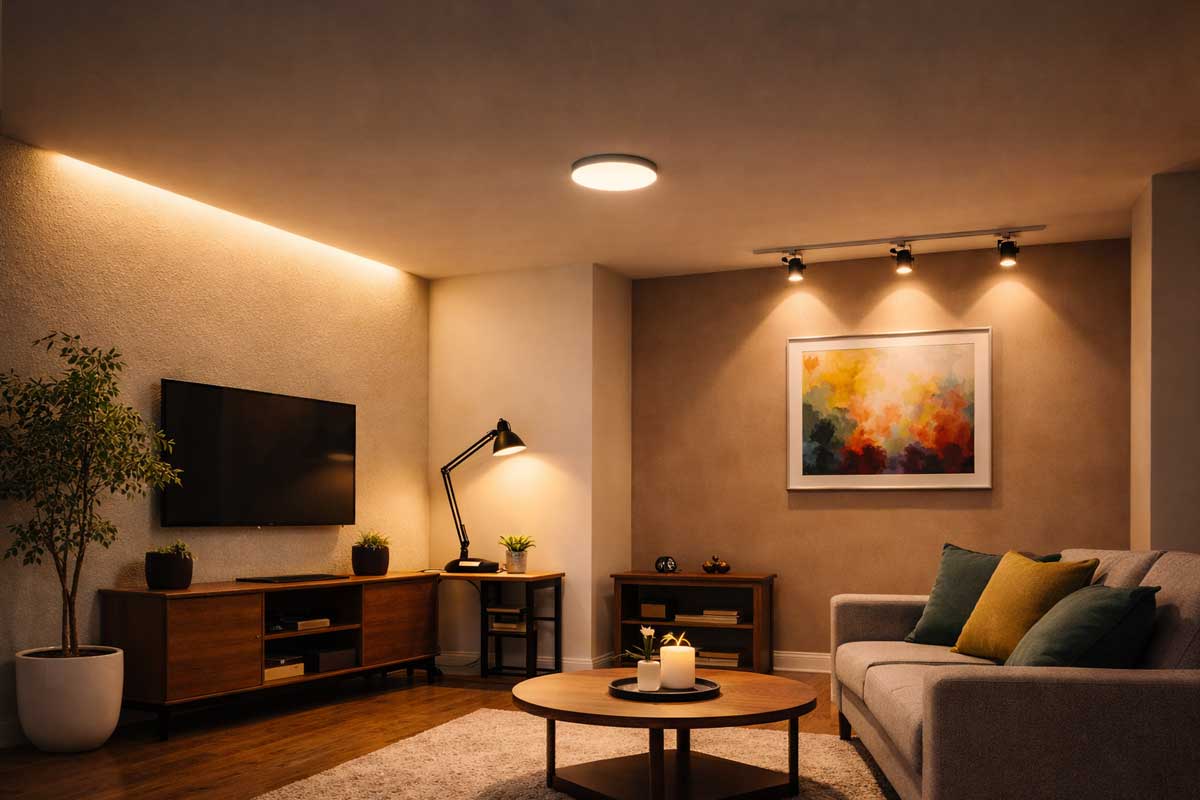
The right combination of different types of lighting is one of the most important elements of modern interior design. While furniture, colors, and decorative details shape the visual appearance of a room, lighting determines how the space is actually perceived and how it functions. Well-designed lighting can transform an ordinary interior into a comfortable, functional, and visually appealing environment.
Many people rely on a single ceiling light to illuminate the entire room. However, this approach often results in uneven lighting, dark corners, or harsh shadows. Professional interior designers typically combine several types of lighting to achieve a balanced and flexible lighting system.
Understanding how to combine different types of lighting helps create an interior that supports daily activities while maintaining a pleasant atmosphere. In this guide, we’ll look at how ambient, task, and accent lighting work together and how to effectively combine them in various interior spaces.

Article content
Why it’s important to combine different types of lighting
Lighting is not just about brightness. The way light is distributed in a room affects comfort, visibility, and mood. If a room relies on only one light source, some areas may be too bright, while others remain underlit.
A well-balanced lighting design combines multiple types of light that serve different functions.
Key benefits of lighting combinations:
- Better light distribution – Multiple light sources evenly distribute light throughout the room and eliminate dark corners.
- Enhanced functionality – Different types of lighting support various activities, such as reading, cooking, or relaxing.
- Enhancing interior design – Lighting can highlight furniture, textures, and architectural elements.
- Flexible atmosphere – Adjustable lighting allows the room to be bright during the day and more relaxing in the evening.
Thanks to these benefits, most modern interiors use layered lighting instead of a single central lighting.
Understanding the three main types of lighting
To effectively combine lighting, it is important to understand the three basic categories of lighting used in interior design.
Ambient lighting as the foundation of interior design
Ambient lighting provides the main illumination for a room and forms the foundation of any interior lighting design. It ensures that the space is sufficiently lit for normal movement and daily activities.
Common ambient lighting solutions include ceiling lighting, chandeliers, recessed lighting, and larger pendant lighting. In modern interiors, indirect LED lighting installed along ceilings or walls is also used to create soft, even light.
Ambient lighting forms the foundation of the entire lighting system. Without it, a space can feel too dark or uncomfortable.
Work lighting for reading and working
Task lighting is designed for specific areas where stronger or more precise light is needed.
Examples of task lighting include table lamps for working, floor lamps for reading next to a sofa or bed, and under-cabinet lighting in the kitchen.
Task lighting improves visibility and helps reduce eye strain during activities that require concentration.

Accent lighting to highlight details
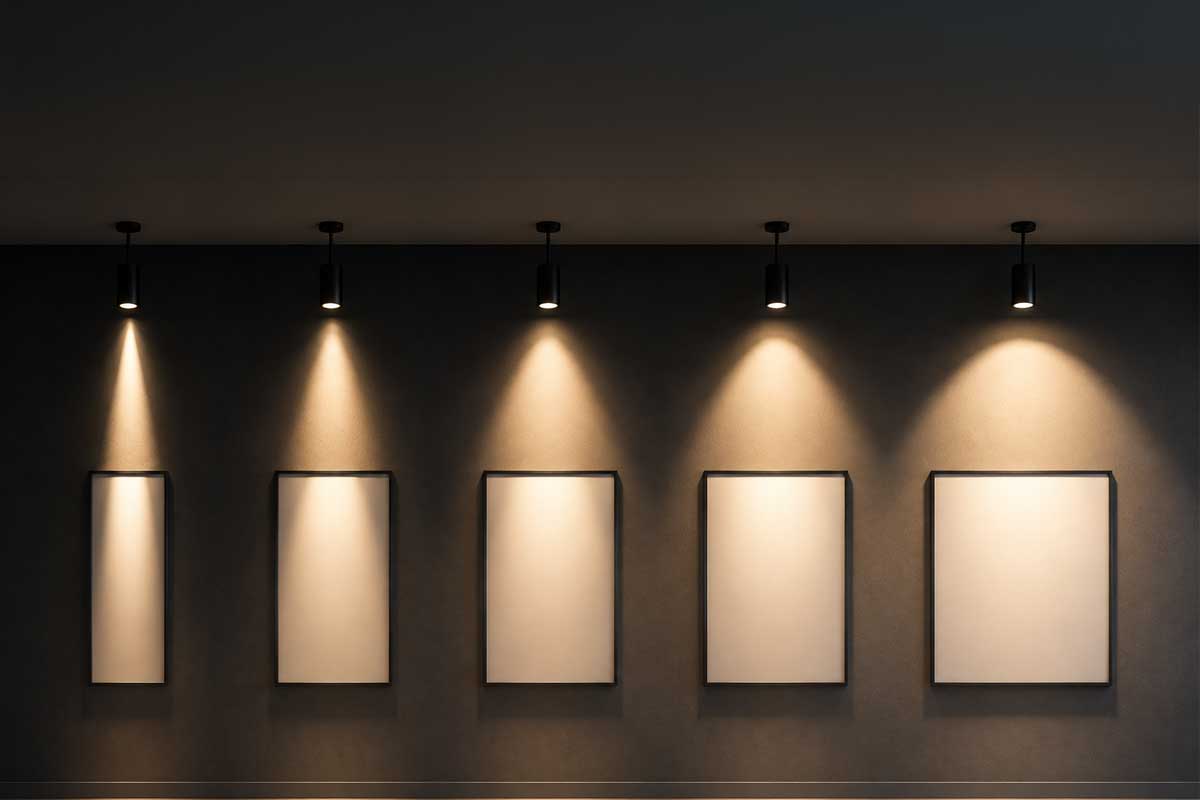
Accent lighting is used to highlight decorative or architectural elements in an interior. It does not illuminate the entire space, but draws attention to specific objects or areas.
Examples include spotlights directed at paintings, LED strips behind shelves, or wall lighting highlighting textured surfaces.
Accent lighting adds depth and visual interest to a space.

How layered lighting works in interiors
The combination of ambient, task, and accent lighting is known as layered lighting. This approach helps create balanced lighting throughout the room.
Layered lighting allows individual light sources to work together, rather than relying on a single light.
Creating a lighting foundation
Ambient lighting should be installed first, as it provides the basic lighting for the room. Ceiling or recessed lighting are most commonly used.
Once the basic lighting is in place, additional light sources can be added for specific activities.
Adding functional lighting
Task lighting is placed where detailed work is performed. For example, table lamps improve visibility while studying or working, while kitchen counter lighting helps with food preparation.
This type of lighting ensures that important work areas are well lit without making the entire room too bright.
Enhancing the atmosphere
Accent lighting is usually installed last, as it highlights decorative elements.
By highlighting paintings, shelves, or architectural details, it adds character and depth to a space.
The combination of these three layers creates a balanced and visually appealing interior.

Choosing the Right Light Temperature
Light temperature is another important factor when combining lighting. It is measured in Kelvins (K) and determines whether the light appears warm, neutral, or cool.
Different light temperatures create different atmospheres in a room.
Warm light (2700K–3000K)
Warm light has a soft yellowish tone that creates a relaxing and cozy atmosphere. It is often used in living rooms, bedrooms, and dining rooms.
A common question people search for:
Why is warm light suitable for the home?
Warm light helps create a cozy atmosphere and promotes relaxation, which is why it is often used, for example, in bedroom lighting design.
Neutral light (3500K–4000K)
Neutral light appears brighter and more balanced. It is often used in kitchens, bathrooms, or workspaces where good visibility is important.
Combining warm and neutral light in different areas of the home can enhance both comfort and functionality.
Practical tips for combining different types of lighting
Designing balanced interior lighting is easier if you follow a few practical rules.
Helpful tips:
- Start with ambient lighting to create the basic lighting, and only then add additional light sources.
- Add task lighting where specific activities take place, such as at a desk, kitchen counter, or reading nook.
- Use accent lighting to highlight decorative elements and add visual depth.
- Choose similar light temperatures for nearby fixtures to maintain a consistent atmosphere.
- Consider dimmable lighting so you can adjust the light intensity according to the time of day.
These strategies help create an interior where the lighting is natural and pleasant, rather than too harsh or uneven.
When the individual layers of lighting are properly combined, each element fulfills its function while contributing to the overall atmosphere of the space.
Common mistakes when combining lighting
When designing interior lighting, the same mistakes are often repeated, which can negatively affect the comfort, functionality, and overall appearance of a space. Although individual lighting may be high-quality and visually appealing, an inappropriate combination of light sources can lead to uneven lighting, unpleasant shadows, or an unbalanced atmosphere.
Properly designed layered lighting should combine ambient, task, and accent lighting so that each layer fulfills its function while contributing to the overall impression of the interior.
- Relying on a single central light – A single chandelier or ceiling light is usually unable to provide even lighting throughout the entire room. This often results in dark corners, a flat-looking interior, and limited options for creating ambiance.
- Lack of task lighting – Many households rely solely on general lighting and overlook lighting designed for specific activities. Reading nooks, desks, or kitchen work surfaces should have their own task lighting, which ensures adequate visibility and reduces eye strain.
- Inappropriate combination of light temperatures – Using significantly different color temperatures in a single room can be distracting. For example, combining very warm light with significantly cool lighting often disrupts the visual unity of the space.
- Lack of accent lighting – An interior without accent lighting can appear flat and lacking in depth. Wall lighting, spotlights, or LED strips help highlight paintings, shelves, decorations, and architectural elements, adding visual appeal to the space.
- Light that is too bright or glaring – Excessive light intensity can reduce comfort and create unpleasant glare. It is important to adjust the light output to the size of the room and use multiple light sources instead of a single extremely bright lighting.
- Lack of dimming and control options – Lighting should adapt to different situations throughout the day. Dimmable lighting makes it easy to adjust the light intensity to suit your current activity and create a pleasant atmosphere without having to install additional fixtures.
Avoiding these mistakes will help you create interior lighting that is not only functional but also aesthetically balanced. The right combination of ambient, task, and accent lighting is the foundation of any high-quality modern interior design.
Conclusion
Combining different types of lighting is one of the most effective ways to create a comfortable and visually appealing interior. Instead of relying on a single light source, layered lighting uses ambient, task, and accent lighting to balance both brightness and atmosphere.
Ambient lighting provides basic illumination, task lighting supports specific activities, and accent lighting highlights decorative elements. Together, they create a space that is both functional and aesthetically pleasing.
By selecting the right light intensity, appropriate color temperature, and combining multiple light sources, you can design an interior that is comfortable, flexible, and visually balanced.
A well-thought-out combination of ambient, task, and accent lighting enhances both the functionality and overall aesthetics of any interior.
Frequently asked questions about layered lighting and combining lights
What are the three basic types of lighting?
In interior design, ambient, task, and accent lighting are most commonly used. Ambient lighting provides general illumination of a space, task lighting is used for specific activities, and accent lighting highlights decorative or architectural elements.
What is layered lighting?
Layered lighting is a combination of multiple types of light sources in a single room. By combining ambient, task, and accent lighting, you can create a space that is functional, comfortable, and visually appealing.
Why isn't one central light enough?
light single ceiling light is usually unable to evenly illuminate the entire space. This can result in dark corners, harsh shadows, and limited options for creating different atmospheres. A combination of multiple light sources provides greater flexibility and better visual comfort.
How to combine lighting in the living room?
The ideal approach is to start with ambient lighting, such as a ceiling or pendant light, complement it with task lighting for reading, and add accent lighting in the form of LED strips or wall sconces. This creates a balanced, layered lighting scheme.
What light temperature is suitable for living spaces?
For living rooms, bedrooms, and other living spaces, warm white light in the range of 2700K to 3000K is most often recommended. It creates a cozy atmosphere and promotes relaxation.
Is it a good idea to combine different light temperatures in a single room?
Yes, but the differences shouldn’t be too pronounced. A combination of warm and neutral light can work well if the individual light sources are used in different zones and create a harmonious effect.
Is dimmable lighting worth it?
Yes. Dimmable lighting allows you to adjust the light intensity according to the time of day or your current activity. This makes it easy to create bright task lighting or a cozy evening atmosphere without having to install additional light sources.
Are you looking for lighting for layered lighting?
Browse our selection of pendant lights, floor lamps, wall sconces, and LED lighting to create an interior that is functional, comfortable, and perfectly tailored to your lifestyle.
Browse lighting
Share:
How to illuminate a home art gallery indoors
How much light does the living room, kitchen and bedroom need?