

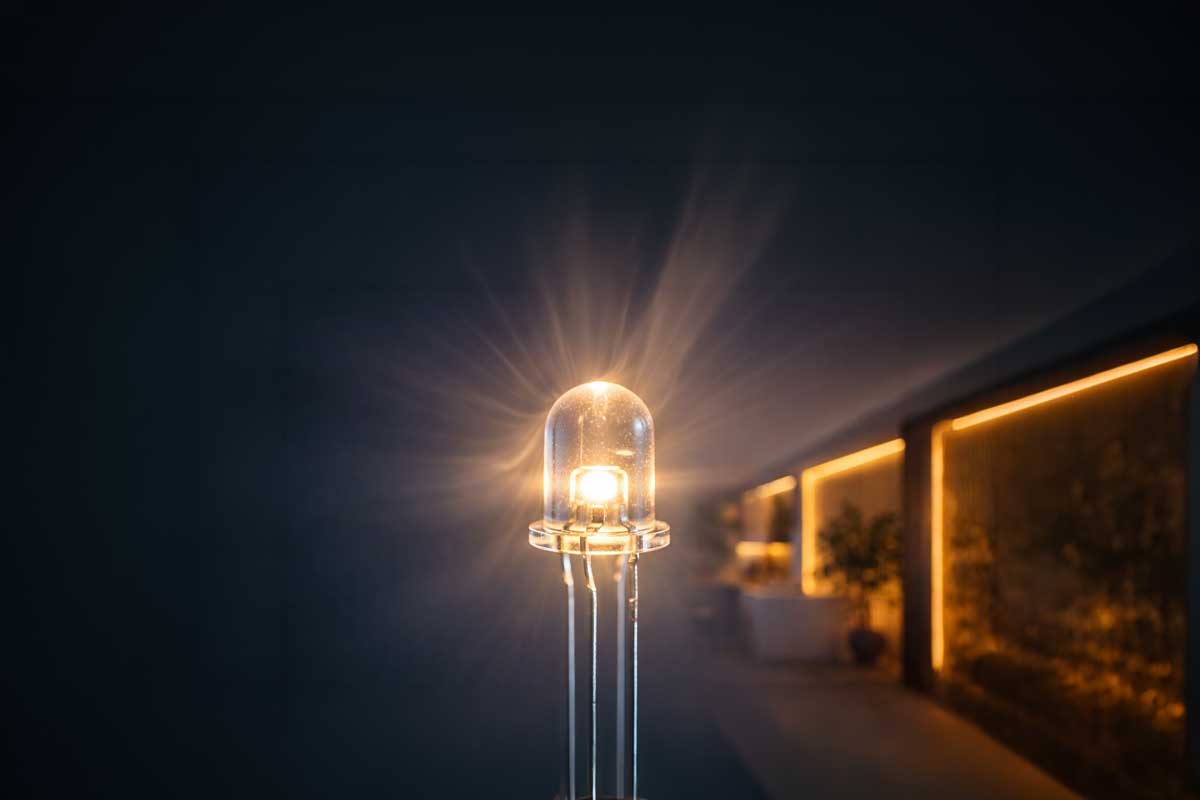
Lighting technology has evolved significantly over the past few decades, and one of the most important innovations in modern lighting is LED technology. Today, LED lighting is widely used in homes, offices, commercial buildings, and outdoor spaces thanks to its energy efficiency, long lifespan, and flexibility.
Unlike traditional light sources, such as incandescent bulbs or halogen bulbs, LEDs operate on a completely different principle. Instead of generating light through heat, LED technology produces light through an electronic process that is efficient and reliable over the long term.
Thanks to these advantages, LEDs have become the standard in modern lighting design. They are used in everything from small table lamps to large-scale architectural lighting systems.

In this guide, we’ll explain how LED technology works, why it’s more efficient than traditional lighting, and what technical factors make it such a popular choice in modern interiors.
Article content
- What is LED technology?
- Basic components of LED lighting
- LED vs. traditional light bulb: What’s the difference?
- Understanding the color temperature of LED lights
- How long do LED lights last?
- LED lighting in modern interior design
- How to Choose LED Lighting
- Advantages and disadvantages of LED lighting
- Frequently Asked Questions
What is LED technology?
LED stands for Light Emitting Diode. It is a semiconductor component that emits light when an electric current passes through it. Today, LED technology forms the basis of most modern light sources, from LED bulbs and strips to designer lighting and smart lighting systems.
Unlike traditional light bulbs, LED lights do not generate light by heating a filament, but through a process called electroluminescence. When an electric current passes through the semiconductor material inside the diode, energy is released in the form of photons, which produce visible light. Thanks to this principle, much less heat is generated, and a greater portion of the energy is converted directly into light.

It is precisely this high efficiency that is one of the main reasons why LED technology has gradually replaced traditional incandescent bulbs and most halogen light sources. LED lighting offers several key advantages:
- High energy efficiency – LEDs consume significantly less electricity than traditional light bulbs.
- Long service life – high-quality LED lights typically last between 25,000 and 50,000 hours of operation.
- Compact design – small dimensions allow for modern and creative lighting solutions.
- Low heat output—most of the energy is converted into light rather than heat.
Thanks to these features, LED technology is among the most energy-efficient and widely used lighting methods today and is used in homes, offices, commercial buildings, and outdoor spaces.
Basic components of LED lighting
Although LED lighting appear simple at first glance, they actually consist of several important components that together ensure their performance, stability, and long service life. The most important components include the LED chip, the power driver, and the cooling system. Each of these parts fulfills a specific function and significantly influences the quality of the resulting lighting.
Semiconductor chip
The LED chip is the light source itself and represents the most important component of the entire technology. It is made of semiconductor materials that generate light through the process of electroluminescence when an electric current passes through them. As electrons move through the semiconductor, they are released in the form of photons, which produce visible light. The material used and the chip’s design affect not only the light output but also the color of the light, energy efficiency, and the overall lifespan lighting LED lighting.
LED driver
An LED driver is an electronic component that controls the power supply to the LED chip. Its function is to convert mains voltage to levels suitable for the safe and stable operation of LED diodes. A high-quality driver ensures constant light output, minimizes flickering, and protects the electronics from power surges or voltage fluctuations. It is often the quality of the driver that determines the reliability and actual lifespan of LED lighting.
Heat sink
Although LED technology produces significantly less heat than traditional incandescent bulbs, a certain amount of thermal energy is still generated during operation. That is why a heat sink is an important component lighting. Its purpose is to dissipate heat from the LED chip and prevent it from overheating. Effective cooling helps maintain stable light output, protects electronic components, and significantly extends the lifespan lighting entire lighting.
LED vs. traditional light bulb: What’s the difference?

One of the main reasons LED technology has gradually replaced traditional incandescent bulbs is its significantly higher energy efficiency and longer lifespan. However, the differences between these light sources go beyond just electricity consumption. LED lighting produces less heat, offers a longer operating life, and provides a wider selection of color temperatures and control options.
While traditional light bulbs produce light by heating a tungsten filament, LEDs use the process of electroluminescence, in which a much larger portion of the energy is converted directly into light. This makes LED lights more energy-efficient and effective during long-term use.
The following table summarizes the main differences between LED lighting and traditional incandescent bulbs:
The comparison shows that LED lighting offers significantly lower energy consumption and a much longer lifespan than traditional incandescent bulbs. Although the initial cost may be higher, lower operating costs and longer replacement intervals for light sources usually result in overall financial savings over the course of use.
Thanks to a wide range of color temperatures, dimming options, and high energy efficiency, LED technology has become the standard for modern lighting in homes, offices, and commercial spaces.
How long do LED lights last?
One of the biggest advantages of LED technology is its exceptionally long lifespan. While traditional incandescent bulbs typically last about 1,000 hours and halogen bulbs several thousand hours, high-quality LED lighting commonly has a lifespan of between 25,000 and 50,000 hours. For professional LED fixtures, the lifespan can be even longer.
In practice, this means that if you use the light for an average of 4 hours a day, an LED light can easily last for more than 15 years. As a result, there is no need to replace light sources frequently, which reduces both maintenance and operating costs.
However, it is important to realize that the lifespan of LED lighting does not refer to the moment when the light stops working. Manufacturers typically define it as the period after which the luminous flux drops to a certain level, most often to 70% of its original output (designated L70). Thus, LEDs often continue to emit light, merely gradually losing some of their intensity.
The actual lifespan lighting LED lighting is influenced by several factors:
- LED chip quality – higher-quality components offer more stable performance and a longer lifespan.
- Effective cooling – excessive heat shortens the lifespan of both the electronics and the LED chip.
- Driver quality – the electronic power supply is one of the most heavily stressed components lighting.
- Operating conditions—high temperatures, humidity, or frequent switching may affect the product’s lifespan.
That is precisely why it pays to choose high-quality LED lighting from trusted manufacturers. The higher initial cost is often offset by a longer lifespan, lower energy consumption, and lower maintenance costs over the years of use.
Understanding the color temperature of LED lights
One of the major advantages of LED technology is the ability to choose from various color temperatures. Color temperature is measured in Kelvin (K) and determines whether the light will appear warm, neutral, or cool. The right color temperature has a significant impact not only on the appearance of the interior but also on overall comfort, concentration, and the atmosphere in the room.
Warm white light (2700K–3000K)
Warm white light has a soft, yellowish hue reminiscent of the light from a classic incandescent bulb or a sunset. It creates a pleasant and cozy atmosphere, promotes relaxation, and evokes a sense of comfort. That is why it is most commonly used in living rooms, bedrooms, restaurants, or hotel interiors, where the goal is to create a calm and comfortable environment.
Neutral and cool light (3500K–5000K)
Neutral white light appears natural and provides balanced conditions for everyday activities. Cooler light tones, on the other hand, promote concentration, increase alertness, and improve visibility of details. For this reason, they are often used in kitchens, bathrooms, offices, home offices, or commercial spaces. Thanks to a wide range of color temperatures, LED lighting makes it easy to adapt lighting conditions to the specific needs of each room.
LED lighting in modern interior design
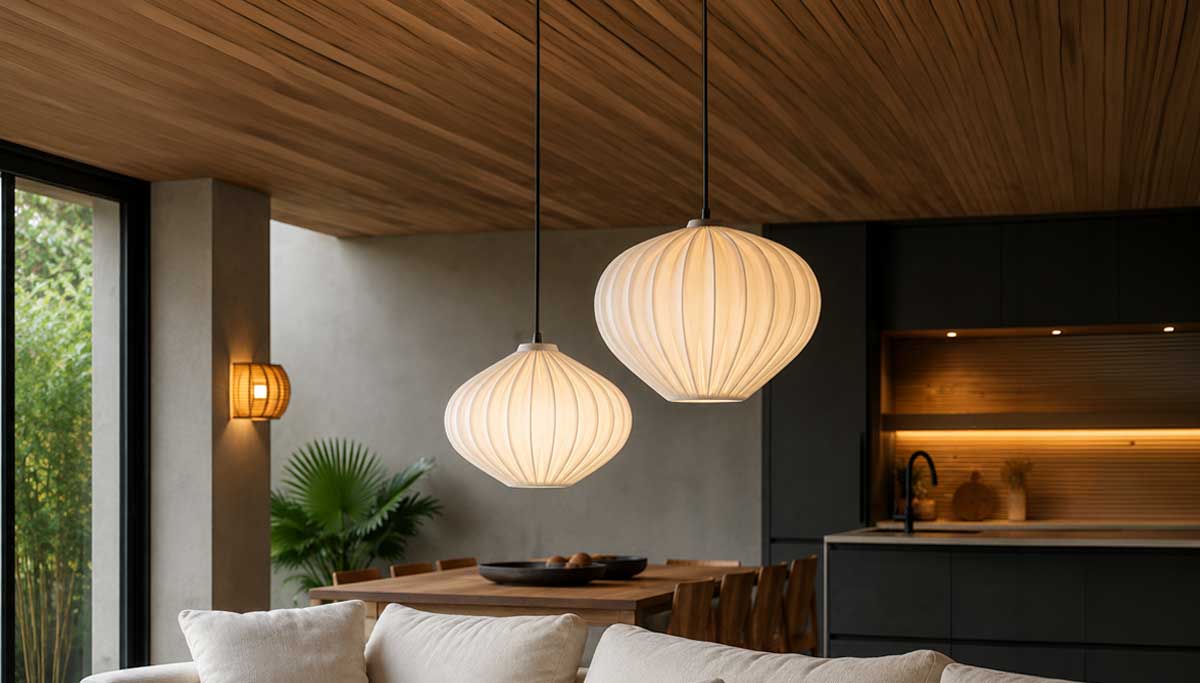
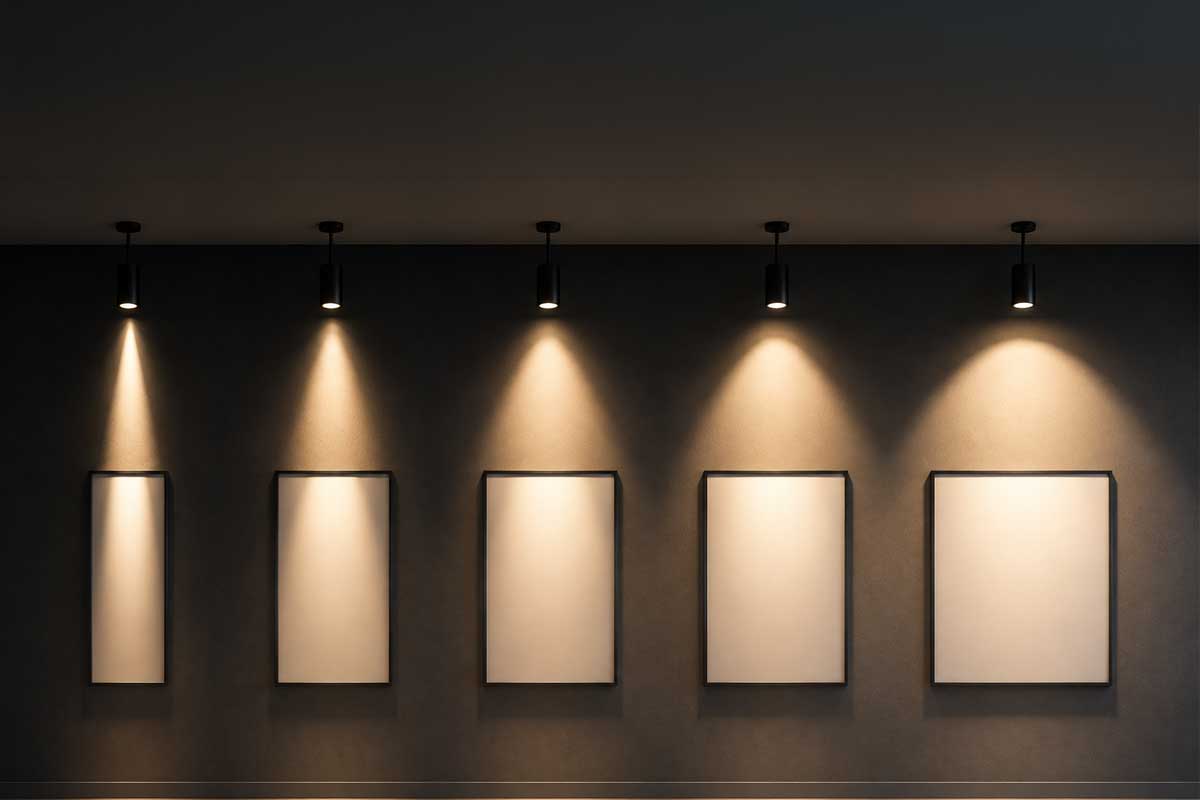
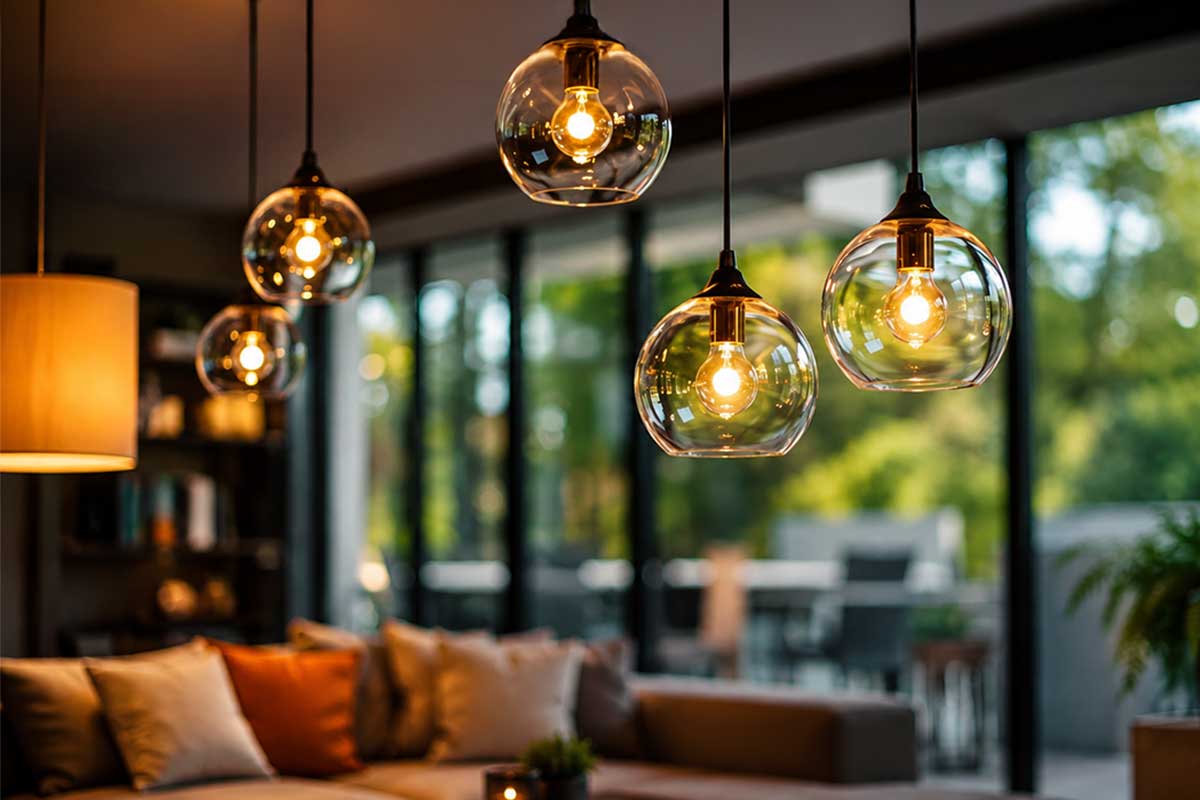
LED lighting has become an indispensable part of modern interior design. Thanks to its compact size, high energy efficiency, and wide range of shapes, it allows for lighting solutions that were difficult to achieve with traditional light sources. Modern LED lighting are available as recessed lights, pendant lighting, wall sconces, panels, or decorative lighting and can be easily adapted to various interior styles.

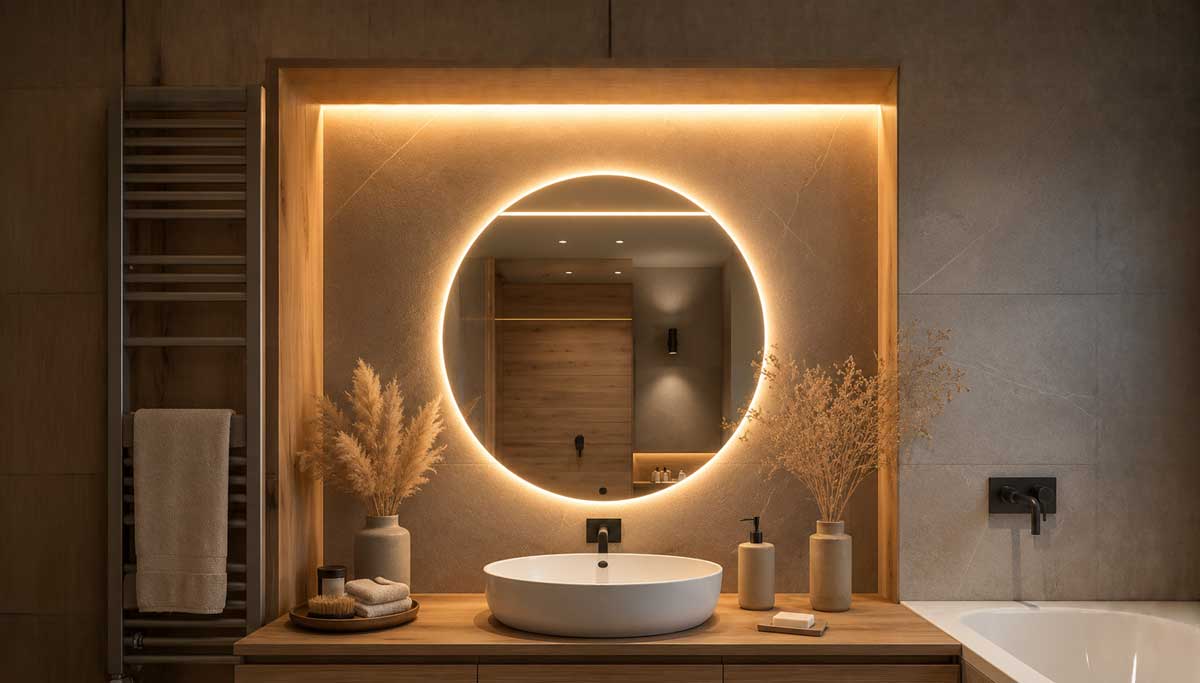
LED strips have become particularly popular, as they allow for the creation of elegant indirect lighting behind the TV, under kitchen cabinets, on shelves, or along suspended ceilings. Thanks to their flexibility, LED technologies are also ideal for layered lighting that combines ambient, task, and accent lighting. Properly designed LED lighting can thus enhance the comfort of using a space, highlight architectural elements of the interior, and create a pleasant atmosphere in the living room, kitchen, bedroom, and home office.
How to Choose LED Lighting
When choosing LED lighting, it is not only power output or energy consumption that matters. Color temperature, color rendering index (CRI), dimmability, and the quality of the components used also play a significant role in light quality and overall user comfort. light properly selected LED light can significantly improve the atmosphere of an interior while reducing operating costs.
- Pay attention to the CRI value—for accurate color rendering, choose lighting with a high Color Rendering Index (CRI).
- Choose the right light temperature—warm light (2700–3000 K) is suitable for relaxation areas, while neutral light (around 4000 K) is ideal for kitchens and workspaces.
- Check for dimmability—if you want to adjust the light intensity, choose dimmable LED lighting and a compatible dimmer.
- Take advantage of indirect lighting—LED strips can create a pleasant atmosphere and highlight architectural features in your interior.
- Choose high-quality manufacturers—high-quality LED chips, electronics, and cooling systems have a significant impact on the lifespan and light output lighting.
Choosing the right LED lighting should always be based on the room’s purpose, the desired light intensity, and the desired visual effect. Thanks to a wide range of modern LED fixtures, it is now easy to combine energy-efficient operation, long service life, and attractive design.
Advantages and disadvantages of LED lighting
Although LED lighting is one of the most widespread technologies on the market today, it is not without its compromises. The main reasons for its popularity include low energy consumption, long service life, and a wide range of applications. When selecting LED fixtures, however, it is also advisable to consider the quality of the components used, compatibility with dimmers, and the purchase price. The following overview summarizes the most important advantages and disadvantages of LED lighting.
In most homes and commercial spaces, the advantages of LED technology outweigh its disadvantages. Thanks to low power consumption and a long service life, the higher initial cost is usually recouped within a few years of operation. The key to long-term satisfaction is choosing high-quality LED lighting with the right color temperature, a sufficient color rendering index (CRI), and reliable electronics.
Conclusion
LED technology has fundamentally changed the way we light homes, offices, and commercial spaces today. Thanks to its high energy efficiency, low power consumption, long lifespan, and wide range of applications, LED lighting has become the standard for modern interiors. Unlike traditional incandescent bulbs, LEDs use the process of electroluminescence, in which most of the energy is converted directly into light rather than heat.
When selecting LED lighting, it is advisable to consider not only power output and energy consumption, but also light temperature, color rendering index (CRI), lifespan, and dimming capabilities. light properly selected LED light can provide pleasant and functional lighting with minimal operating costs, and will serve reliably for many years.
Frequently Asked Questions About LED Lighting
What does LED stand for?
LED stands for Light Emitting Diode. It is a semiconductor component that emits light when an electric current passes through it. Thanks to its high efficiency and long lifespan, LED technology has become the standard in modern lighting.
How does LED lighting work?
LED lighting works on the principle of electroluminescence. When an electric current passes through the semiconductor material inside the LED, energy is released in the form of photons, which produce visible light. Unlike traditional incandescent bulbs, the light is not produced by heating a filament.
How long do LED lights last?
High-quality LED lighting typically has a lifespan of 25,000 to 50,000 hours of operation. With normal household use, this can mean more than 10 to 15 years of operation without the need for frequent replacement of the light source.
Is it worth switching to LED lighting?
In most cases, yes. LED lights consume significantly less energy than traditional incandescent bulbs and last many times longer. The higher initial cost is therefore usually offset by lower electricity bills and less frequent replacement of light bulbs.
What is the power consumption of LED lighting?
Power consumption depends on the wattage of lighting specific lighting. A modern LED bulb with a power rating of 8–10 W can often replace a traditional incandescent bulb of approximately 60 W, resulting in significant energy savings while maintaining similar light output.
What color temperature should you choose for LED lighting?
For living rooms and bedrooms, warm white light in the range of 2700–3000 K is most often recommended. For kitchens, bathrooms, or home offices, neutral white light around 4000 K is usually more suitable, as it promotes concentration and good visibility.
Can LED lights be dimmed?
Yes, many modern LED fixtures and LED bulbs support dimming. However, it is important to verify whether a specific light source is labeled as dimmable and whether it is compatible with the dimmer being used.
Do LED lights affect color rendering?
Yes. Color rendering quality is determined by the CRI (Color Rendering Index). For standard households, a CRI of at least 80 is recommended, while for more demanding interiors, workspaces, or design applications, a CRI of 90 or higher is typically appropriate.
Are LED lights harmful to the eyes?
High-quality LED lighting is not harmful to the eyes. It is important to choose the right light intensity, a suitable color temperature, and a high-quality light source without significant flickering. Comfort during use is also influenced by the proper placement of light fixtures and the reduction of glare.
What is the difference between an LED bulb and a halogen bulb?
LED lighting offers significantly lower energy consumption, a longer lifespan, and less heat generation than halogen bulbs. At the same light output, LEDs can consume up to 80% less electricity and typically last several times longer than halogen light sources.
Choose modern LED lighting for your interior
Browse our selection of designer LED lighting for living rooms, kitchens, bedrooms, and home offices. Discover energy-efficient lighting with a long lifespan, high-quality color rendering, and the option to choose the light temperature to suit your needs.
Browse interior lighting
Share:
How lighting affects interior colours
Design lighting in the restaurant: how to create the right atmosphere