

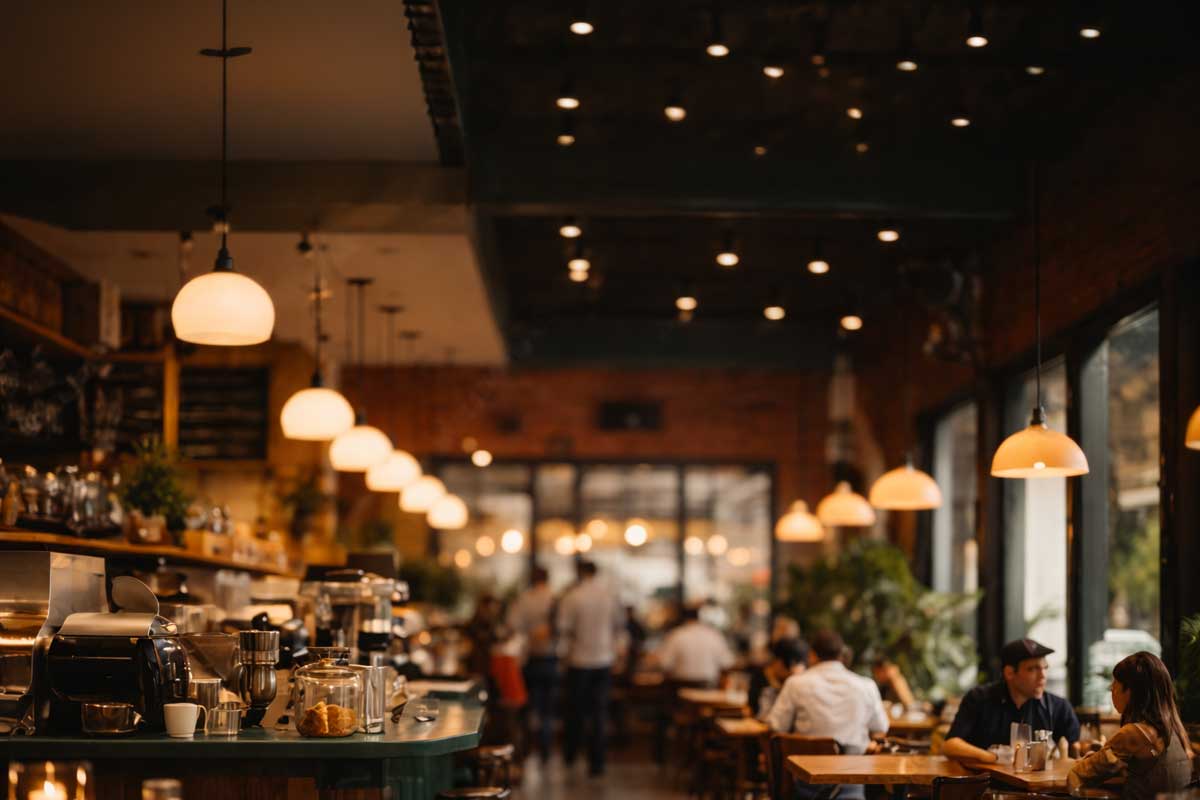
Guests often don’t even realize how much lighting affects their overall impression of a restaurant. Yet it is precisely the lighting that determines whether a space feels cozy and inviting or cold and impersonal. It can highlight the presentation of dishes, create an intimate atmosphere for an evening gathering, or, conversely, cause unpleasant glare and a sense of discomfort.
Well-designed lighting is not just a matter of choosing designer fixtures. Light intensity, color temperature, the placement of individual fixtures, and the ability to adjust the lighting scene throughout the day all play an important role. Guests expect a different atmosphere during lunch than they do during an evening tasting or while enjoying a glass of wine.
In this article, we’ll look at the most important principles of restaurant lighting, highlight the most common design mistakes, and offer advice on how to use light to create an atmosphere where guests feel comfortable and will be happy to return.

Article content
- Why lighting is important in restaurants
- Common mistakes in restaurant lighting design
- The use of layered lighting in a restaurant
- What is the best light color for a restaurant?
- CRI: Why accurate color rendering matters
- How to use lighting to divide a restaurant into different zones
- Why dimmable lighting is worth it
- What to keep in mind when designing restaurant lighting
- FAQ: Frequently asked questions about restaurant lighting
Why lighting is important in restaurants
Well-designed lighting affects much more than just visibility in a space. It helps shape the character of a restaurant, aids guests in finding their way around, and significantly influences how people perceive both the interior and the food being served. The same space can appear luxurious, cozy, or, conversely, cold and impersonal, depending on the lighting.
In the restaurant industry, the presentation of food itself plays a crucial role. An inappropriate light color or a low-quality light source can cause dishes to lose their natural colors and appear less appealing than the chef intended. Conversely, properly selected lighting will highlight the texture, colors, and details of the presentation.
Equally important is the treatment of individual areas within the space. A restaurant typically combines several functional zones—the entrance, dining area, bar, or circulation spaces. Lighting can be used to naturally separate these areas, highlight their distinct functions, and simultaneously maintain a cohesive look throughout the entire interior.
High-quality lighting design offers a restaurant a number of benefits:
- creates a pleasant atmosphere for guests throughout the day,
- enhances the appearance of served food and drinks,
- highlights the architecture and materials used in the interior,
- helps divide the space into individual functional zones,
- allows you to tailor the atmosphere to different times of day or types of events.
It is precisely the combination of these factors that determines whether a restaurant will come across as a well-thought-out and pleasant space where guests feel comfortable and are happy to return.
The use of layered lighting in a restaurant
One of the most common mistakes in restaurant lighting design is relying on a single type of fixture. Although overhead lighting provides basic visibility, on its own it usually fails to create a pleasant atmosphere or highlight specific areas of the interior. The result is often a flat, featureless space lacking depth and character.
That is why professional lighting designs use what is known as layered lighting. By combining several types of light, it is possible to achieve greater visual comfort, highlight key interior elements, and simultaneously create an environment where guests feel comfortable during both lunch and evening gatherings.
The foundation is usually a combination of ambient, task, and accent lighting, with each layer serving a different function in the space.

Ambient lighting
Ambient lighting creates the basic lighting layer for the entire space. Its purpose is not to draw attention to itself, but to ensure pleasant and even lighting in the restaurant without stark contrasts or dark spots.
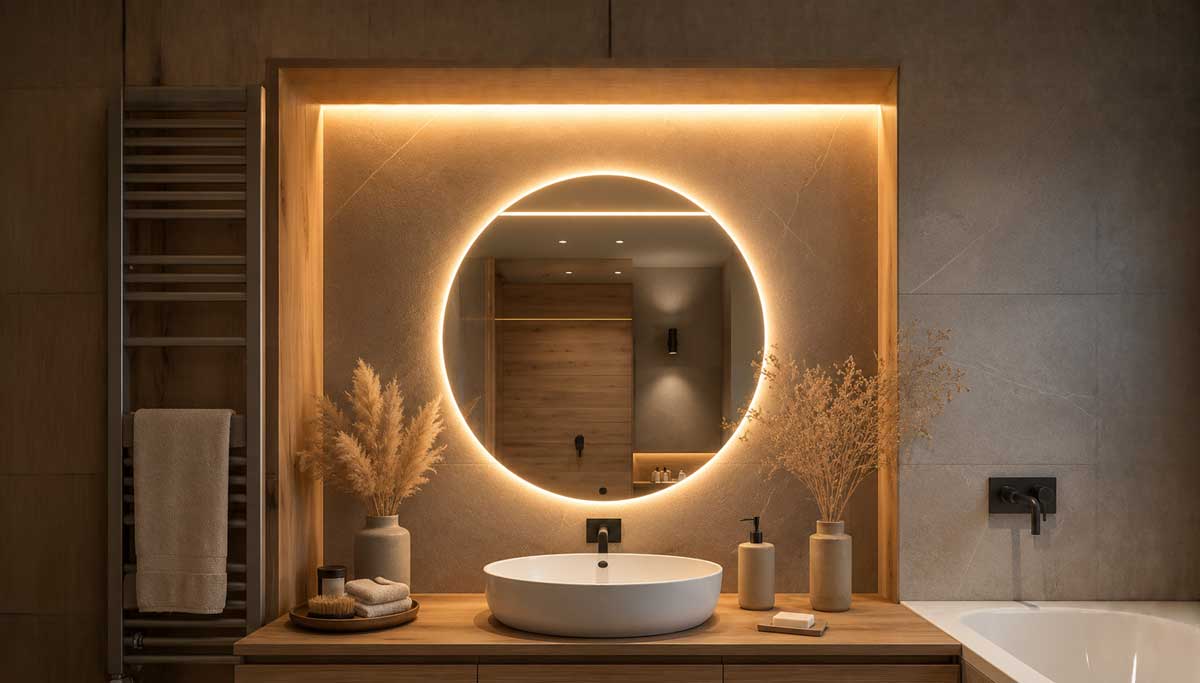
It is most often created using ceiling fixtures, recessed spotlights, or indirect lighting via LED strips in ceilings, niches, or behind architectural elements. Indirect lighting is particularly popular in modern restaurants because it creates soft illumination without unpleasant glare.
Properly designed ambient lighting helps guests perceive the space as a whole and sets the tone for the restaurant’s atmosphere.
Work lighting
Task lighting is designed for areas where guests or staff need higher light intensity. In restaurants, it is most commonly used above dining tables, at bars, or in service and preparation areas.
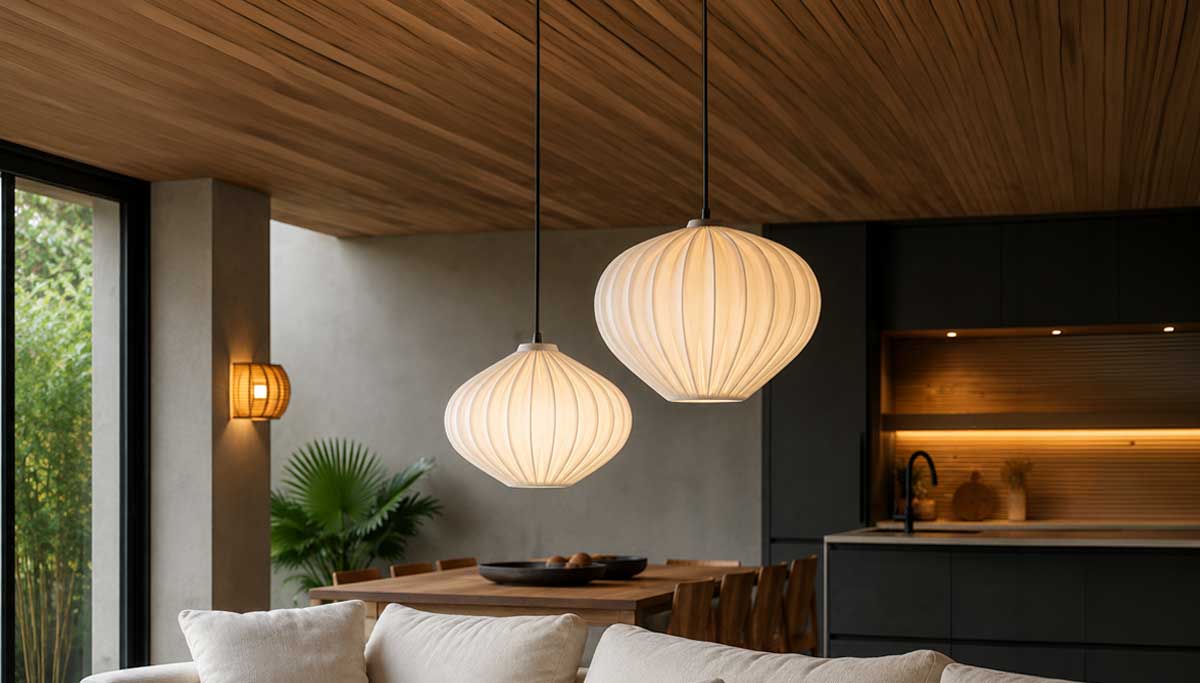
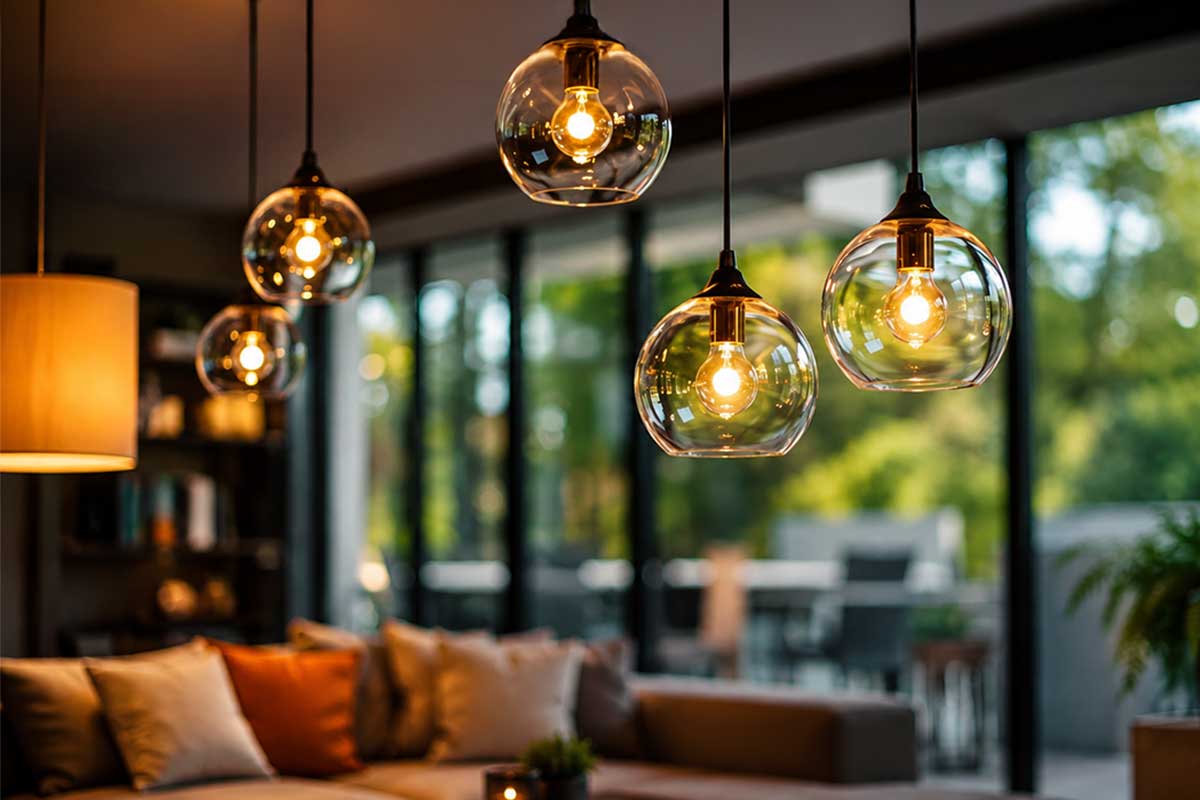
A typical example is pendant lighting placed above a table. In addition to providing sufficient visibility, they help create a more intimate atmosphere and visually separate individual seating areas. Proper placement and height lighting are crucial so that the light does not dazzle guests while still adequately illuminating the tabletop. In commercial interiors, the UGR (Unified Glare Rating) is therefore often monitored, as it measures the degree of glare caused by lighting fixtures.
High-quality table lighting significantly influences both the comfort of guests and the overall appearance of the dishes served.

Accent lighting
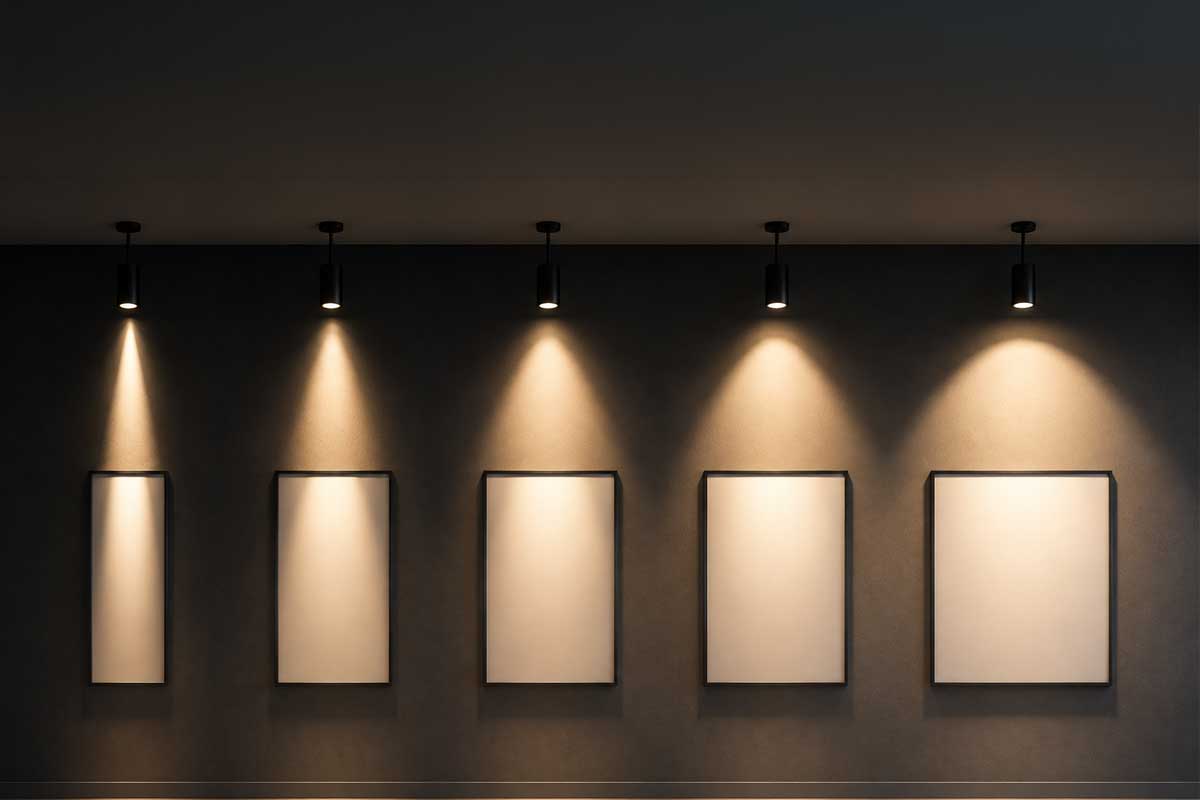
Accent lighting is used to highlight specific interior details. It can draw attention to a decorative wall, an interesting material texture, paintings, shelves with bottles, or architectural elements that form part of the restaurant’s identity.
Accent lighting is most often created using spotlights or track lighting systems, which allow the light to be directed precisely at selected interior elements.
Compared to ambient lighting, it uses higher contrast and helps give the space depth and visual dynamism. Thanks to this, the restaurant doesn’t feel monotonous and gains a more distinctive character.
When used correctly, accent lighting can draw guests’ attention exactly where you want it, without appearing distracting or overdone.
What is the best light color for a restaurant?
Choosing the right light color is one of the most important decisions when designing restaurant lighting. Yet it is often underestimated. We encounter establishments that have invested significant resources in high-quality interiors and cuisine, but an improperly chosen light temperature has significantly diminished the overall impression.
The color of light does not merely influence the atmosphere of a space. It directly affects how guests perceive the interior, the materials, and the food itself. Light that is too cool can make a restaurant feel like an office or a cafeteria, while lighting that is too dim can reduce guests’ comfort while dining.
Most restaurants therefore use warmer shades of light, which appear more natural and help create a pleasant atmosphere. However, the specific choice always depends on the restaurant’s concept, the type of cuisine served, and the overall character of the interior.
Color temperature is measured in Kelvin (K) and determines whether light appears warm, neutral, or cool. Let’s take a closer look at each option.
Warm light (2700K–3000K)
Warm white light is the most common choice in restaurants. It creates a pleasant and cozy atmosphere, making the space feel more welcoming and helping guests feel more comfortable. That is precisely why it is used in most restaurants, cafes, wine bars, and hotel restaurants, where the goal is to create an environment conducive to lingering.
Warmer light tones also help highlight the natural colors of food, wood, textiles, and other materials in the interior. In the evening, they create a much more pleasant ambiance than cooler tones and foster the relaxed atmosphere that guests typically expect from dining establishments.
In most restaurant projects, we recommend a color temperature between 2700K and 3000K specifically for the main dining area, where atmosphere plays a crucial role.
Neutral light (3500K–4000K)
Neutral white light appears brighter and more technical than warm tones. It provides better visual comfort while working and helps improve the perception of details, which is why it is primarily used in the operational areas of restaurants.
It is often used in kitchens, prep areas, staff break rooms, or around service counters, where good visibility and accurate color rendering are important. In some modern bistros or minimalist interiors, neutral lighting can also be used in guest areas, but it should always fit the overall concept of the establishment.
In practice, a combination of warm lighting in the dining area and neutral lighting in work zones has proven very effective. This allows the restaurant to maintain a pleasant atmosphere for guests while providing staff with high-quality working conditions.
Unless a restaurant has a specific concept centered on modern or industrial design, we recommend avoiding light sources with a color temperature above 4000K in the dining area. Cooler shades of light often detract from the coziness of the interior and can negatively impact both the overall atmosphere and the presentation of the food.
CRI: Why accurate color rendering matters
When choosing lighting for a restaurant, most people focus primarily on the design of the fixtures or the color temperature. However, an equally important parameter is the color rendering index (CRI), which determines how accurately a light source renders colors compared to natural daylight.
In the restaurant industry, the quality of color rendering plays an exceptionally important role. Guests often choose their food with their eyes, and the first impression is formed even before they taste it. If the lighting fails to render the colors of the dishes correctly, fresh ingredients, meat, vegetables, or desserts may appear less appealing than they actually are.
The same principle applies to the restaurant’s interior as well. Materials such as wood, stone, fabric, or decorative elements can lose their depth, contrast, and natural hues under poor lighting. The result is a space that appears flatter and less impressive.
For restaurants, cafes, and other food service establishments, we recommend choosing light sources with a CRI of at least 90. A higher color rendering index helps accurately display food, beverages, and interior materials, contributing to a more professional overall impression of the space.
Modern LED lighting typically offer high CRI values, but it’s still worth checking this parameter when making a selection. Combined with the right light temperature and thoughtful fixture placement, high-quality color rendering can significantly influence guests’ overall dining experience.
How to use lighting to divide a restaurant into different zones
Modern restaurants are usually not just for dining. The space typically includes an entrance area, a bar, the main dining area, a waiting area, or private lounges. Lighting can be used to naturally distinguish between these different areas without the need for partitions or other physical barriers.
Well-designed lighting also guides guests on where to go and which parts of the space are intended for specific purposes. Working with light intensity, the direction of light fixtures, and accent lighting are among the most common tools used by lighting designers when designing restaurant interiors.

Which parts of a restaurant are most often lit differently?
Pendant or decorative lighting that create a pleasant cone of light are most commonly used above tables. Guests have enough light for comfortable dining, while the surrounding space can remain slightly subdued and cozy.
A bar is often the natural focal point of a room. You can highlight it using LED strips, spotlights, or illuminated shelves displaying bottles. A slightly higher light intensity helps create a visual focal point in the space.
Hallways, entryways, and passageways should be lit evenly and without stark contrasts. This allows guests to move safely through the restaurant and makes the space feel more open and inviting.
Properly designed lighting zones help a restaurant appear more organized, assist guests in finding their way around, and simultaneously create a more pleasant atmosphere throughout the interior.
What to keep in mind when designing restaurant lighting
When planning restaurant lighting, we recommend focusing primarily on the following principles:
- Combine multiple layers of lighting—combining ambient, task, and accent lighting creates a more pleasant and visually interesting environment.
- In the main dining area, opt for warmer light—a color temperature of 2700K to 3000K promotes a cozy atmosphere and makes food look more natural.
- Choose lighting with a high CRI—high-quality color rendering helps accurately showcase food, beverages, and the materials used in your interior.
- Consider the option of dimming the lights—the lighting intensity can be easily adjusted for lunch service, evening gatherings, and special events.
- Prevent glare for your guests—decorative lighting should not have a light source directly in the line of sight of seated guests.
- Use lighting to separate different zones—varying intensity and lighting styles help naturally distinguish the dining area, bar, or entryway.
It is precisely the combination of these principles that helps create a restaurant that is not only functional but also welcoming to guests and visually appealing.
Conclusion
When designing a restaurant, lighting is often one of the last elements to be considered. Yet it is precisely lighting that can significantly influence the atmosphere of the space, the appearance of the food served, and the overall comfort of guests. A well-designed lighting concept helps create an environment where people feel comfortable and are happy to return.
There is no one-size-fits-all solution suitable for every restaurant. Every establishment has a different character, target audience, and operating style. However, the common thread among successful projects is a thoughtful approach to light intensity, color temperature, high-quality color rendering, and the ability to adapt the atmosphere to different situations throughout the day.
When lighting is designed with the needs of both guests and staff in mind, it becomes not only a functional part of the interior but also an important element that reinforces the restaurant’s identity and enhances the overall dining experience.
FAQ: Frequently asked questions about restaurant lighting
What is the best light color for a restaurant?
In most restaurants, warm white light in the range of 2700K to 3000K is recommended. It creates a pleasant atmosphere, enhances guests’ comfort, and helps highlight the natural colors of the dishes served. However, the specific choice should always correspond to the restaurant’s concept and the character of the interior.
Is it a good idea to use LED lighting in a restaurant?
Yes. Modern LED lighting offer low energy consumption, a long service life, and a wide range of options for adjusting light intensity and color. This makes it easy to adapt the restaurant’s atmosphere to different times of day or types of events.
What CRI is suitable for restaurants?
For restaurants, we recommend light sources with a CRI of at least 90. A higher color rendering index helps accurately display food, beverages, and interior materials, which positively influences guests’ overall visual experience.
Why is dimmable lighting important in a restaurant?
Lighting requirements vary significantly throughout the day. While a brighter environment is usually more suitable during lunch, most restaurants prefer a dimmer, more intimate atmosphere in the evening. Dimmable lighting make it easy to adapt to these changes based on current operations.
How can you prevent guests from being blinded by the light?
It is important to choose the right fixtures, their placement, and the direction of the light. The light source should not be directly in the field of vision of seated guests. lighting with diffusers, indirect lighting, or properly designed pendant lighting above the tables work very well.
What kind light is suitable for a dining table?
The most popular choice is pendant lighting, which creates a pleasant beam of light focused on the tabletop. In addition to providing sufficient visibility, it helps create a more intimate atmosphere while also serving an important decorative function.
Should the lighting be the same throughout the entire restaurant?
No. Different areas of a restaurant have varying requirements for lighting intensity and character. The dining area typically uses warmer, softer light, while the bar, entryways, or back-of-house areas may require higher lighting intensity.
How can lighting be used to divide a restaurant into different zones?
Different light intensities, decorative lighting, spotlights, or accent lighting on selected interior elements can be used to separate individual areas of a space. This allows you to naturally distinguish the dining area, bar, or entryway without using physical partitions.
Is it appropriate to use cool white light in a restaurant?
In most restaurants, cool white light is used only sparingly. In the dining area, it can appear too clinical and detract from the cozy atmosphere. It is more commonly used in kitchens, prep areas, or other work zones where good visibility is a priority.
What are the most common mistakes made when designing restaurant lighting?
The most common mistakes include using only one type of lighting, an inappropriate color temperature, the absence of dimming, glare for guests, or underestimating the quality of light sources. These shortcomings can negatively impact the atmosphere of the space and the overall dining experience.
Are you looking for lighting for a restaurant or café?
We assist with selecting designer lighting fixtures, interior lighting designs, and larger commercial projects. Contact us and together we will design a solution that matches the character of your space and meets your operational needs. You can also browse our selection of interior lighting fixtures suitable for restaurants, cafes, and other commercial spaces.
Free consultation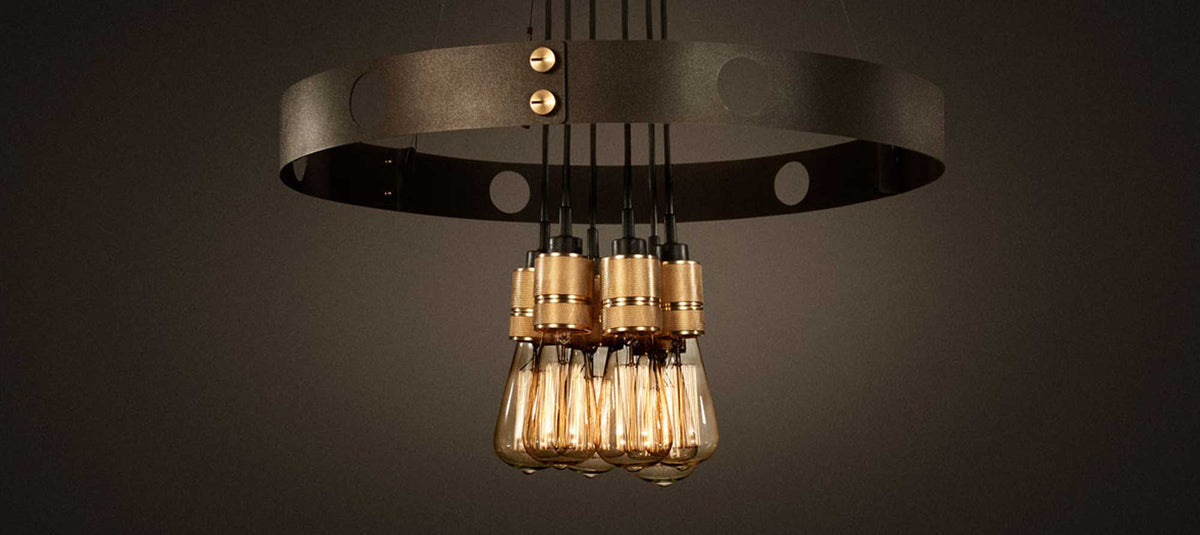
Share:
How LED technology works
The most common mistakes in lighting design