

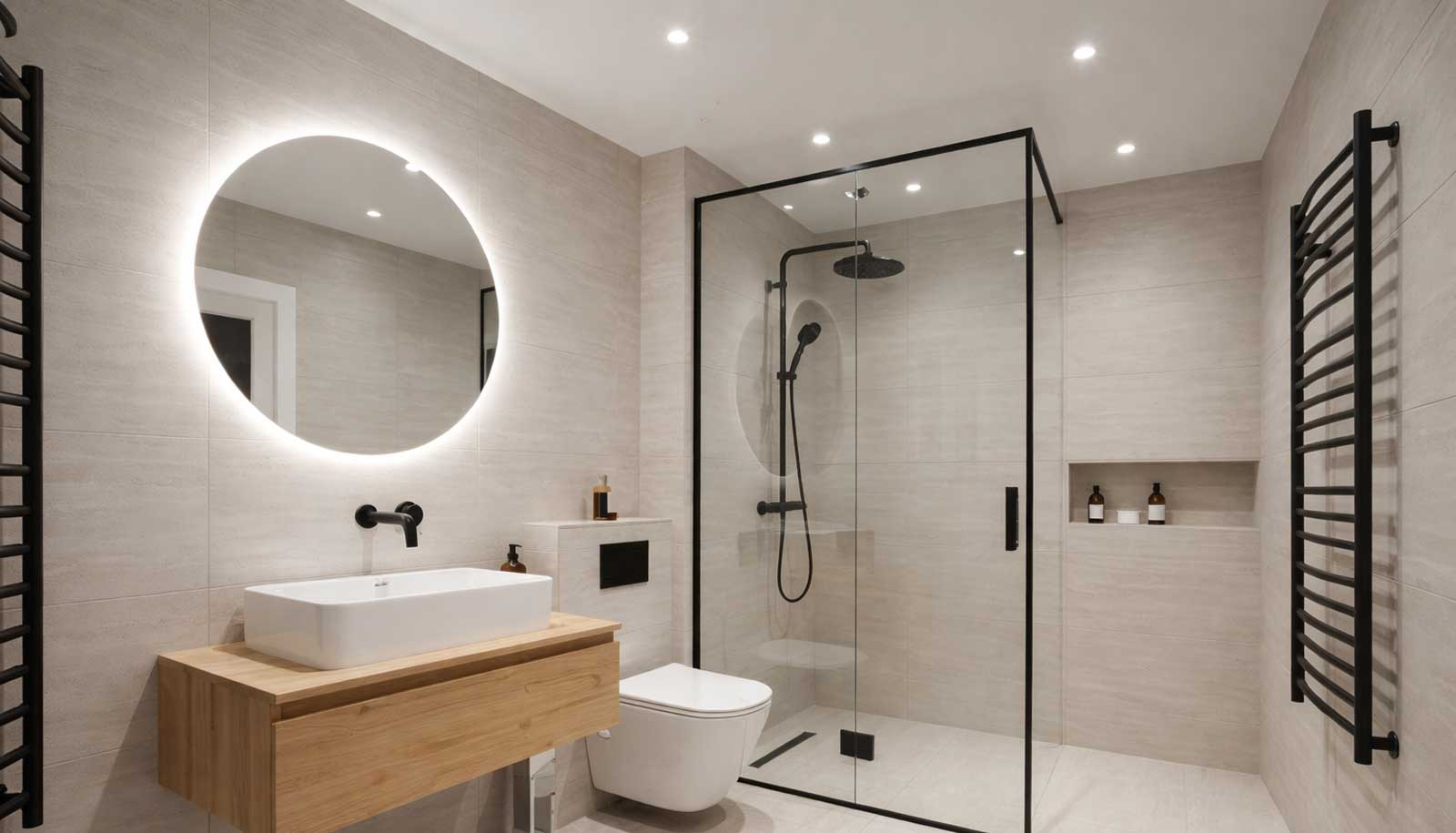
When choosing lighting for the bathroom, patio, or garden, most people focus primarily on design, brightness, or color temperature. However, one of the most important factors is the IP rating, which determines whether light will operate safely in damp or outdoor environments.
In environments exposed to humidity, rain, or water, choosing the right level of protection is essential. Lighting that are not designed for these conditions may suffer premature damage or even pose a safety hazard.
Understanding IP ratings helps homeowners and designers choose lighting that is not only visually appealing but also safe and durable. By selecting fixtures with the appropriate level of protection, it is possible to create lighting systems that function reliably both indoors and outdoors.
Article Content
What is IP rating?
IP rating is an international designation that indicates how well an electrical device is protected against the ingress of solid particles (such as dust) and water. For lighting fixtures, this is one of the most important technical parameters, as it indicates the types of environments for which the product is suitable and where it can be used safely.
The IP rating consists of two digits, such as IP20, IP44, IP65, or IP67. The first digit indicates protection against solid particles, while the second indicates resistance to water. The higher the number, the higher the level of protection the device provides.
A higher IP rating does not automatically mean light better light. For a standard living room, an IP20 rating is usually sufficient, while for a bathroom, patio, or exterior wall, you must choose lighting with higher protection against moisture and water. Therefore, always select the IP rating based on the installation location.

In the following chapters, we’ll explain how the individual numbers work and what values to choose for specific spaces.
How do you read IP ratings?
Each IP rating consists of two digits, such as IP20, IP44, or IP65. The first digit indicates the level of protection against solid particles, such as dust or accidental contact, while the second digit indicates resistance to water. This combination makes it easy to determine for which environments light is suitable.
First digit – protection against particulate matter
The first digit indicates how well light is protected against the ingress of solid particles. The higher the number, the greater the protection against dust and, at the same time, against accidental contact with lighting lighting internal components. Lower ratings are usually sufficient for typical households, while workshops, garages, or exterior environments often require a higher degree of protection.
Second digit – water protection
The second digit indicates the lighting water resistance. This is particularly important when selecting lighting for bathrooms, patios, balconies, or building facades. A higher number means better protection against splashing water, rain, or even brief immersion in water.
The following infographic provides an overview of all IP protection ratings and their meanings. It makes it easy to determine what level of protection each rating offers and for which environments they are suitable.

Don’t assume that a higher IP rating is always better. For most indoor light fixtures, a lower IP rating is sufficient, while in the bathroom or outdoor areas, it’s important to choose light with adequate protection against moisture and water. Always select the correct IP rating based on the installation location.
What IP rating should you choose for the bathroom?
The bathroom is one of the most challenging rooms when it comes to choosing lighting. High humidity, water vapor, and direct water spray mean that standard interior lighting may not be a safe choice. That’s why it’s important to choose lighting with the appropriate IP rating based on the installation location.
For more detailed information on the proper placement of light fixtures, bathroom zones, and recommended types of lighting, see our article “How to Choose Bathroom Lighting.”

According to the standard, a bathroom is divided into several zones based on the distance from the bathtub or shower stall. The closer light is to a water source, the higher the degree of protection required.
- IP44 – suitable for lighting near a mirror or sink, where water splashes may occur.
- IP65 – recommended for lighting installed directly in the shower stall or in its immediate vicinity.
Properly selected IP protection extends the lifespan lighting, protects its electrical components from moisture, and, above all, ensures safe operation. If you are unsure about the appropriate protection rating, always follow the manufacturer’s recommendations and applicable electrical standards.
Browse our selection of bathroom lights suitable for high-humidity environments.
What IP rating is suitable for exterior lighting?
Outdoor lighting are exposed to rain, moisture, dust, frost, and the summer sun all year round. That is why choosing the right IP rating is one of the most important factors when selecting outdoor lighting. The appropriate protection rating ensures safe operation and a long service life lighting.
If you're planning to light up a facade, terrace, or garden, we also recommend the article "How to Choose exterior Lighting," where you'll find more practical tips for making the right choice.
Recommended IP ratings based on installation location
The following overview summarizes which IP ratings to choose for different types of outdoor lighting.

The required protection rating depends primarily on the installation location. Lighting installed under a roof typically require a lower IP rating than lighting on a facade, in a garden, or directly in the ground, where they are exposed to rain and moisture over long periods.
Recommended IP Rating
In general, the following IP ratings are recommended for exterior lighting, depending on the installation location:
- IP44 – covered patios, balconies, and areas protected from direct rain.
- IP65 – exterior wall lighting, pergolas, garden lighting, and other areas exposed to rain.
- IP67 – ground-mounted lighting or lighting near ponds, pools, and other areas with high humidity.
When making your selection, always consider whether light will be exposed to direct rain, splashing water, or simply high humidity. Choosing the correct IP rating will ensure safe operation and a long service life for your lighting.

While a higher IP rating provides better protection against water and dust, it isn’t always necessary. It’s best to choose a protection rating that matches the actual installation conditions. When making your selection, always consider whether light will be exposed to direct rain, splashing water, or just high humidity. This will ensure you get reliable, long-lasting lighting without unnecessary costs.
Are you looking for lighting for your facade, patio, or garden? Browse our selection of outdoor lights with various IP ratings.
Common Mistakes When Choosing an IP Rating
The correct IP rating is important for safe operation and a long service life lighting. However, when making a selection, people often make the same mistakes, which can easily be avoided.
A higher IP rating doesn't always mean it's the better choice
Many people believe that the higher the IP rating, the better the quality of light. In reality, it is important to choose a protection rating that is appropriate for the specific environment. For example, IP20 is perfectly sufficient for a standard living room, while higher protection is needed for bathrooms or outdoor areas.
Inappropriate IP rating for the installation location
One of the most common mistakes is using lighting indoor lighting in a damp environment or outdoors. Every location has different requirements for protection against water and dust, so the IP rating should always match the conditions in which light will be used.
Confusing Dust Protection with Water Protection
The first digit indicates protection against solid particles, and the second indicates protection against water. Some customers pay attention to only one value and overlook the other, even though it is the combination of both that determines whether light is suitable for a given environment.
Filter by design only
An attractive appearance is important, but it shouldn’t be the only criterion when making a selection. light modern light without the appropriate IP rating may not be suitable for a bathroom, a patio, or a building facade, even if its design fits perfectly into the space.
Failure to follow the manufacturer's recommendations
Manufacturers always specify the intended environment for light and its IP rating. Before making a purchase, it’s worth checking the technical specifications and recommended uses. This will help you avoid making an unsuitable choice and ensure safe, long-term operation of your lighting.
If you select the IP rating based on the actual installation conditions, you’ll get lighting that operates safely, withstands the surrounding environment, and has a long service life.
Conclusion
Choosing the right IP rating is one of the most important factors when selecting lighting. While lighting with a lower protection rating are usually sufficient for standard living spaces, bathrooms, patios, building facades, and gardens require greater resistance to moisture, water, and dust.
When making your selection, always consider the installation location, the manufacturer’s recommendations, and the lighting technical specifications. This will ensure you get lighting that is safe, reliable, and will maintain a long service life even under more demanding conditions.
Summary
- IP20 is suitable for standard living spaces.
- IP44 is used in bathrooms and covered outdoor areas.
- IP65 is recommended for building facades and garden lighting.
- IP67 is suitable for outdoor lighting and areas with high humidity.
- Always choose the IP rating based on the environment, not on the highest possible rating.
FAQ: Frequently Asked Questions About IP Ratings
What does IP mean for lighting fixtures?
The abbreviation IP (Ingress Protection) indicates the degree of protection an electrical device has against the ingress of solid particles and water. The first digit indicates protection against dust and contact, while the second digit indicates resistance to water.
What IP rating is suitable for a bathroom?
The appropriate IP rating depends on the specific area of the bathroom where light will be installed. Higher protection is usually required near the bathtub or shower than in the rest of the bathroom. When making your selection, always follow applicable standards and the manufacturer’s recommendations.
What IP rating should you choose for exterior lighting?
For covered patios and balconies, IP44 is usually sufficient. Facade and garden lighting should have at least IP65, while we recommend choosing ground lighting or lighting near water with an IP67 rating or higher.
What is the difference between IP44, IP65, and IP67?
IP44 protects against splashing water and is suitable for covered exterior areas. IP65 withstands water jets and is used, for example, in facade lights. IP67 additionally allows for brief immersion in water, making it suitable for ground lighting or lighting near ponds.
Is a higher IP rating always better?
No. A higher IP rating provides a higher level of protection, but it is not necessary for every installation. The best choice is always the IP rating that matches the environment in which light will be used.
Can I use light indoor light outdoors?
In most cases, no. Interior lighting are not designed to withstand prolonged exposure to moisture, rain, or dust. For exterior use, always choose lighting with an appropriate IP rating designed for outdoor use.
Where can I find the IP rating lighting?
The IP rating is listed in the product’s technical specifications, in the catalog sheet, or on the lighting label. It is usually indicated as a designation, such as IP20, IP44, IP65, or IP67.
Can light exterior light with a higher IP rating also be used indoors?
Yes. Lighting with a higher IP rating can also be installed indoors without any problems. However, a higher protection rating offers no practical advantage in most standard living spaces.
Is IP44 suitable for a shower stall?
In most cases, no. For lighting installed directly in the shower stall or in its immediate vicinity, a rating of at least IP65 is generally recommended. However, it is always necessary to follow applicable standards and the manufacturer’s recommendations.
Are you looking for lighting with the appropriate IP rating?
Whether you’re looking for lighting for your living room, bathroom, patio, or garden, choosing the right IP rating is essential for safe and long-term reliable operation. Browse our selection of high-quality indoor and outdoor lighting fixtures.
Share:
How to Properly Light a Staircase? A Complete Guide to Choosing Staircase Lighting
How to Read Lighting Fixture Specifications: A Complete Guide Before You Buy