

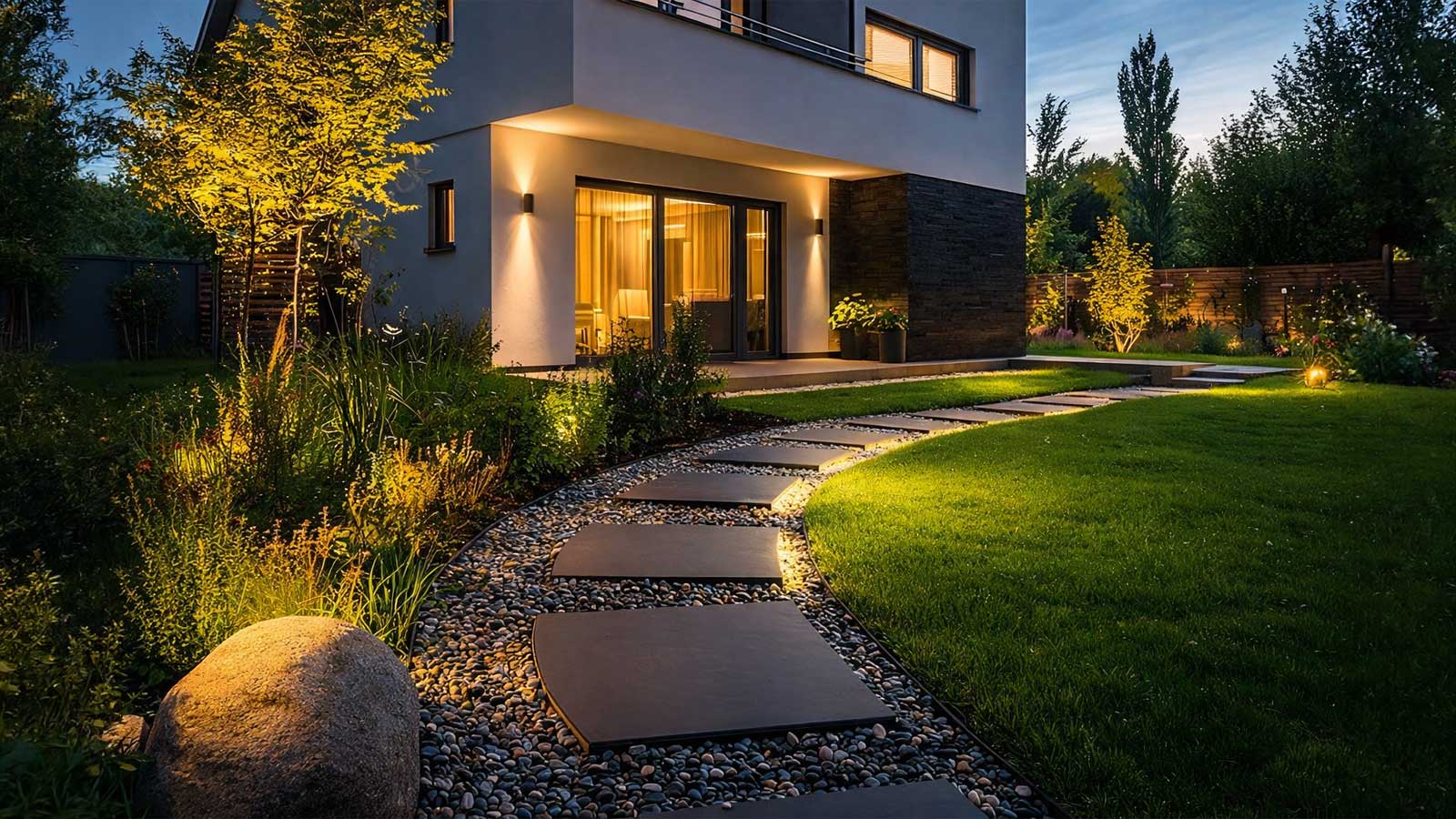
Properly designed exterior lighting for your home can transform your garden, patio, or the area around your house into a safe and pleasant space that you can enjoy even after dark. However, simply placing a few lights here and there isn’t enough. It’s important to choose the right type lighting outdoor lighting, the appropriate light intensity, the correct color temperature, and sufficient IP rating. Facade lighting, post lighting, patio lighting, and garden spotlights each have different requirements.
Well-designed lighting combines safety, comfort, and aesthetics. It makes it easier to move around after dark, highlights the architecture of the house, and helps create a pleasant atmosphere on the patio, in the garden, and around the entrance. It is precisely the right combination of different types of lighting fixtures that determines whether an exterior space will appear natural and harmonious.
Choosing outdoor lighting isn’t just a matter of design. In this guide, we’ll show you how to select lighting right lighting for different areas of your home and garden, which technical specifications to focus on, and how to create lighting that’s safe, functional, and aesthetically pleasing.
Article Content
Why is exterior lighting important?
Outdoor lighting is more than just a decorative element. Properly designed lighting improves safety around the house, makes it easier to find your way after dark, and creates a pleasant atmosphere for evening gatherings on the patio or in the garden. Through the thoughtful placement of facade lights, post lights, ground lights, or garden spotlights, you can highlight the architecture of your home, garden paths, trees, and other interesting features of your outdoor space.

You’ll achieve the best results by combining multiple types of lighting. While some lighting provide enough light for safe movement, others serve primarily to create a pleasant atmosphere or highlight specific areas of the garden. It is precisely this balanced layering of light that gives outdoor spaces a natural and elegant look.
When designing outdoor lighting, don’t just focus on the brightest light possible. You’ll achieve much better results by combining several lower-intensity fixtures, which together create safe, pleasant, and visually balanced lighting without unnecessary glare.
When designing outdoor lighting, it’s a good idea to keep three basic goals in mind. If you manage to combine them correctly, you’ll create a space that’s safe, pleasant, and aesthetically appealing.
Security
It illuminates sidewalks, stairs, entrances, and driveways. This makes it easier to find your way after dark and reduces the risk of injury.
Atmosphere
It creates a pleasant atmosphere for evening gatherings on the patio, under the pergola, or in the garden, and adds a cozy feel to outdoor spaces.
Highlighting the space
It helps highlight the architecture of the house, trees, plants, and other garden features, creating a striking evening scene.
By combining these features, you’ll create an exterior space that’s not only beautiful to look at, but also safe, practical, and usable throughout the evening.
How to choose exterior lighting based on where it will be used?
Each part of an outdoor space requires a different type lighting. While wall-mounted facade lighting are most commonly used around entrances and facades, post lighting or recessed lighting dominate along walkways. Patios often use ceiling-mounted or pendant lighting, or LED strips, while garden spotlights or ground lighting are ideal for highlighting trees and greenery.
When designing outdoor lighting, therefore, always start with the purpose of each zone. The right combination of functional and decorative lighting will create a harmonious whole that is safe and practical while also highlighting the architecture of the house and the beauty of the garden.
Before you start choosing specific lighting, it’s good to know which types of outdoor lighting are most commonly used. Each is designed for a different part of the exterior and serves a different purpose.
Entrance and Driveway
The first thing visitors will see. The lighting should ensure safe access to the door, facilitate navigation, and create a positive first impression.
Walkways and Stairs
Well-lit walkways make it easier to get around after dark and reduce the risk of tripping. The lighting should be bright enough, but it shouldn’t be blinding.
Patio and Pergola
Atmosphere plays a key role on the patio. A combination of main lighting, indirect lighting, and, if desired, dimmable lighting creates a pleasant setting for evening gatherings.
Garden and Trees
Accent lighting helps highlight the garden’s focal points and creates a sense of depth. Illuminating trees, ornamental grasses, or flower beds gives the garden an elegant look even after dark, without the need to light the entire property.
House facade
A properly lit facade highlights the architecture of the house and creates an elegant evening look. Well-chosen lighting also makes it easier to find your way around the entrance and accentuates the building’s materials and details.
Gates and Fencing
Lighting at the property entrance helps visitors, delivery drivers, and household members find their way. It also improves safety around the gate and creates a positive first impression even before reaching the front door.

Each of these areas has different requirements for light intensity, lighting type, and installation method. If you design them as a single cohesive whole, you’ll create an exterior space that’s not only safe and functional but also pleasant for everyday use. The result will be not only better visibility after dark but also an elegant evening atmosphere that highlights the character of your home and garden.
What color temperature should you choose?
The color of light affects not only the appearance of your home and garden, but also the overall atmosphere of your outdoor space. While warmer tones create a cozy and pleasant ambiance, neutral white light offers better visibility and higher contrast. Choosing the right color temperature therefore depends primarily on how the space will be used.
If you're not sure what the difference is between warm, neutral, and cool white, read our article "How to Choose a Light Temperature (Kelvin)."
In most cases, we recommend combining multiple color temperatures depending on the specific area. This will ensure that the lighting is not only functional but also visually balanced.

Using the same color temperature for all lights isn’t always the best solution. By combining warmer light for facade lights, patio lighting, or garden lights with a more neutral color temperature for your driveway, you can create balanced exterior lighting.
Which IP rating should you choose?
When choosing lighting outdoor lighting, it’s not enough to consider only the design or light output. One of the most important parameters is the IP rating, which determines lighting lighting resistance to dust and water. The more demanding the conditions in which light will be used, the higher its protection rating should be.
You can learn more about the meaning of the individual protection ratings in the article “What Does the IP Rating of Lighting Fixtures Mean?”
The right IP rating extends the lifespan lighting, reduces the risk of moisture-related malfunctions, and ensures trouble-free operation for many years.
Covered exterior areas
Suitable for covered patios, entryways, or balconies where light is not directly exposed to rain.
Standard exterior use
The ideal choice for facades, walkways, pergolas, or around the house, where light can withstand normal rain, dust, and changing weather conditions.
Harsh exterior conditions
Recommended for open gardens, driveways, post lighting or areas exposed to heavy rain, dust, and inclement weather over long periods.

A higher IP rating isn’t always the only right choice. It is important to consider the specific installation location. For example, facade lighting installed under a roof overhang have different requirements than pole lighting, ground lighting, or garden spotlights, which are exposed to rain year-round. Choosing the correct protection rating ensures a long service life lighting and trouble-free operation.
Tips for Proper Placement of Outdoor Lighting
Proper placement of outdoor lighting is just as important as the selection of the fixtures themselves. Well-designed lighting should make it easier to find your way around, increase safety, and create a pleasant atmosphere. Instead of a single strong light source, it’s therefore worth using multiple layers of light that complement each other.
Light the way, not your eyes
Light should be directed toward sidewalks, stairs, or driveways, not directly into people’s eyes. Low-profile post lighting, recessed sidewalk lighting or wayfinding lighting ensure safe movement after dark while creating a pleasant environment without unpleasant glare.
Work with multiple layers of lighting
Combine functional path lighting with soft illumination of your facade, patio, or pergola, and complement it with accent lighting for your garden. Multiple light sources with lower intensity create a more natural and elegant effect than a single, powerful light.
Highlight interesting features in your garden
Illuminate trees, ornamental grasses, stone walls, or architectural details of your home. Accent lighting adds depth and character to your garden without requiring you to light the entire property.
Think about your surroundings and lighting comfort
Avoid light fixtures that shine directly into windows or dazzle visitors. A properly chosen lighting angle and appropriate placement of light sources will ensure sufficient light where it’s needed without disturbing the surroundings.
Recommendations from real-world experience
When designing outdoor lighting, think of the space as a whole. A combination of functional path lighting, soft facade lighting, and accent lighting for greenery will create a safe, aesthetically pleasing, and energy-efficient solution that will last for many years.

The most successful outdoor lighting designs do not rely on a single powerful light, but rather on a well-thought-out combination of several lighting zones. This gives both the house and the garden a pleasant evening atmosphere and improves visibility, while ensuring the space does not appear unnecessarily overlit.
Common Mistakes When Choosing Outdoor Lighting
Properly chosen exterior lighting can improve safety, make spending time outdoors more enjoyable, and highlight the architecture of your home. In practice, however, the same mistakes are often repeated, which can compromise both the functionality and the overall appearance of the space. It’s worth avoiding these mistakes right from the planning stage.
Lighting that is too bright
Brighter doesn’t mean better. Excessive light output can be dazzling, create unpleasant contrasts, and disrupt the evening atmosphere. In most cases, several lower-intensity light sources work better than a single, very powerful light.
Inappropriately selected light temperature
Cool white light can seem impersonal and technical, especially around a family home. In most cases, warm white with a color temperature of approximately 3000 K, which creates a pleasant atmosphere while providing ample light.
Underestimating IP ratings
Using lighting with an insufficient protection rating can shorten its service life or cause malfunctions due to moisture and dust. Always select the protection rating based on the specific installation location.
Glare on the surroundings
Lighting should not be directed toward the windows of the house or directly into the eyes of passersby. The correct lighting angle and appropriately selected optics will significantly improve the comfort of using outdoor spaces and reduce light pollution.
Chaotic placement of light fixtures
Outdoor lighting should form a single, well-thought-out whole. Randomly placed lighting can create dark spots, cause unnecessary glare, or disrupt the overall appearance of the house and garden.
Recommendations from real-world experience
Before you start choosing specific lighting, take a walk around your entire property and determine which areas need functional lighting and which you simply want to highlight. A well-thought-out plan will help you create a balanced solution that will serve you well for many years to come.
If you avoid these common mistakes, you’ll end up with exterior lighting that’s not only aesthetically pleasing but also safe, energy-efficient, and reliable over the long term.
Conclusion
Properly designed exterior lighting is not just a matter of design. It affects safety, everyday comfort, and the overall appearance of your home after dark. By choosing the right lighting, IP rating, light temperature, and thoughtful placement, you’ll create an exterior space that is functional, aesthetically pleasing, and enjoyable for many years to come.
When designing, it’s worth thinking of the entire space as a single unit. The lighting for the entrance, driveway, patio, facade, and garden should flow naturally from one to the next, coming together to create a harmonious whole. This will give you an exterior space that functions well every day while also highlighting the architecture of your home.

Frequently Asked Questions About Outdoor Lighting
What IP rating is suitable for exterior lighting?
For covered exterior areas, an IP44 rating is usually sufficient. If lighting will be exposed to rain or dust, an IP54 rating or higher is recommended. For open gardens, driveways, or areas with harsher conditions, an IP65 rating or higher is ideal.
What color temperature is best for exterior lighting?
For most single-family homes, warm white with a color temperature of approximately 3000 K is the most suitable option. It creates a pleasant atmosphere, highlights the home’s architecture, and provides sufficient light for safe movement around the house and in the garden.
How to properly arrange exterior lighting?
The foundation is lighting for entrances, walkways, stairs, and driveways. Additional light sources can highlight the facade, patio, or garden features. You’ll achieve the best results by combining several layers of light rather than relying on a single strong light source.
How many outdoor lights do I need?
The number of lights depends on the size of the property and how the outdoor space is used. In most cases, it’s better to use multiple lights with lower intensity than a single powerful light, which can be dazzling and create unpleasant contrasts.
Are exterior lighting with motion sensors a good choice?
Yes. A motion sensor increases security, makes it easier to find your way around after dark, and helps save electricity. It is most commonly used at entryways, garages, or driveways.
What kind of light is suitable for a house’s facade?
The most commonly used options include wall-mounted facade lighting, Up & Down lighting, and linear LED lighting. In addition to providing safe lighting for the entrance, they can highlight the architectural features of the house and create a pleasant evening atmosphere.
Is LED exterior lighting worth it?
Yes. Modern LED lighting are energy-efficient, have a long lifespan, and require minimal maintenance. Thanks to a wide range of color temperatures, wattages, and designs, they are now the most common choice for both homes and commercial buildings.
How can you light your garden without making it look too gaudy?
Instead of flooding the entire garden with light, we recommend highlighting only select features, such as trees, ornamental grasses, stone walls, or garden architecture. Subtle accent lighting looks more natural and creates a more pleasant atmosphere.
What is the difference between exterior and garden lighting?
Facade lighting are designed to be mounted on the walls of a house and are primarily used to illuminate entrances or highlight architectural features. Garden lighting are installed along walkways, in flower beds, or among greenery, helping to ensure safe navigation and create a pleasant outdoor atmosphere.
Find exterior lighting that will highlight the character of your home
Browse our selection of exterior, garden, post, and patio lights and find inspiration for modern single-family homes, vacation homes, and commercial buildings. With a wide range of styles, materials, colors, and modern technologies, you can easily choose lighting that will perfectly complement your exterior.
Browse exterior lighting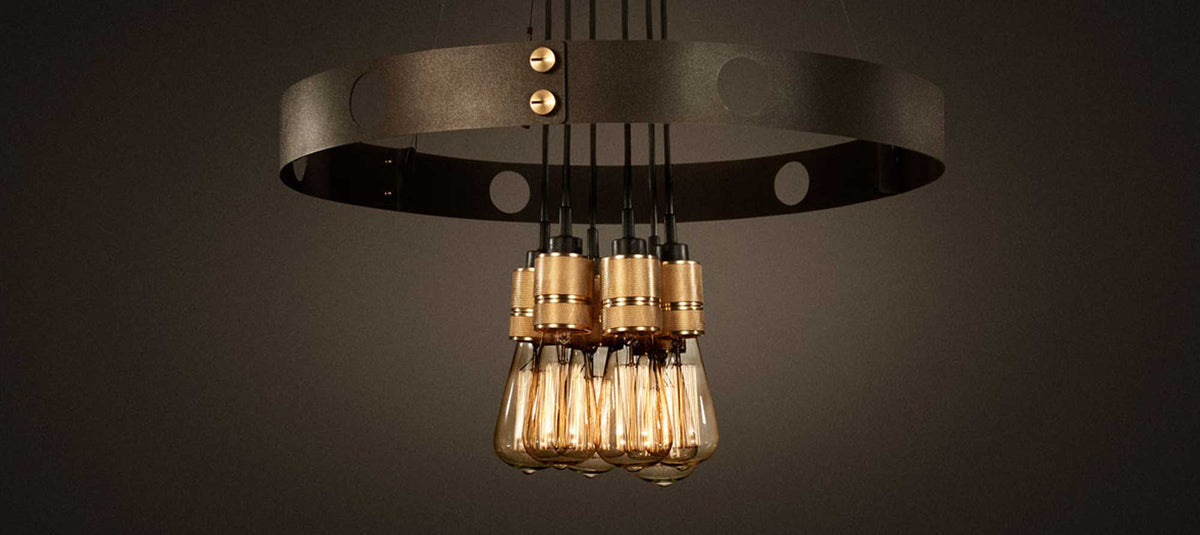
Share:
How to choose lighting for the bedroom for a pleasant atmosphere and better sleep
Design lighting in a minimalist interior