

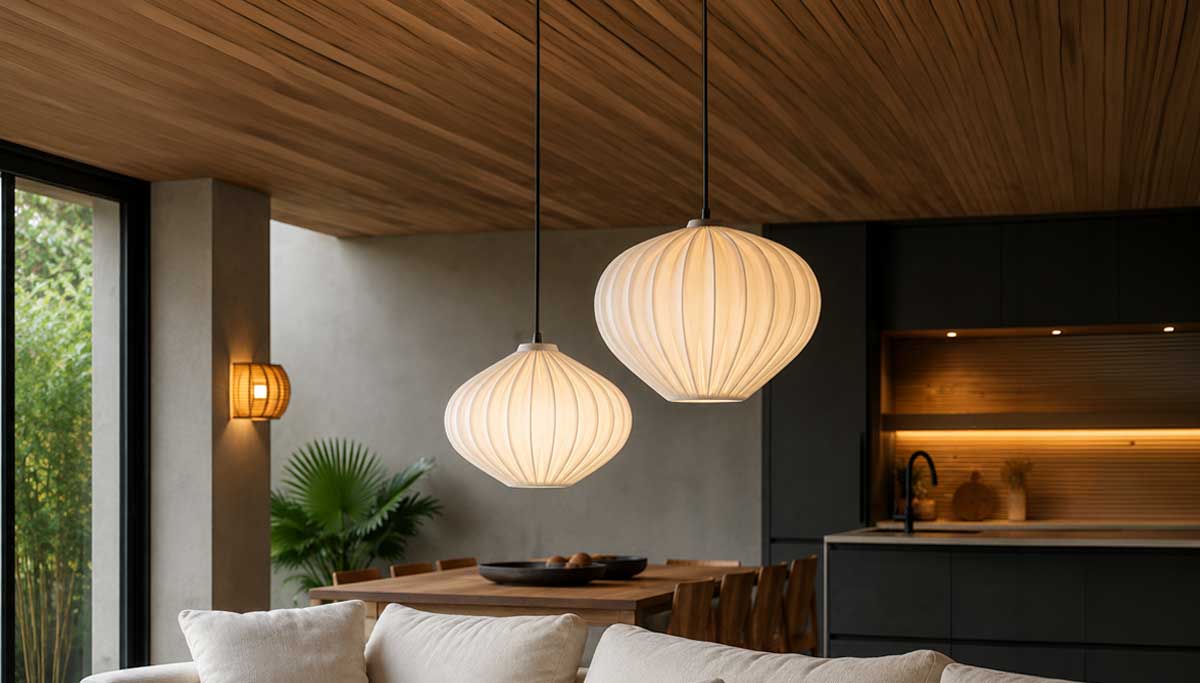
Designer lighting is more than just a source of light. lighting right lighting lighting can highlight the interior architecture, create a pleasant atmosphere, and transform an ordinary room into a space where you’ll feel truly comfortable. Lighting is often what determines whether an interior feels cozy, elegant, and harmonious—or, conversely, cold and unfinished.
When choosing light fixtures, however, it’s not enough to focus solely on their appearance. The size lighting, its placement, light intensity, light color, and how different types of lighting are combined also play an important role. A well-designed lighting concept combines aesthetics with functionality and ensures that the interior feels pleasant both during the day and in the evening.
In this article, we’ll look at how to choose designer lighting based on your interior style, how to properly combine pendant, ceiling, wall, and floor lighting, what mistakes are most commonly made when designing lighting, and what to keep in mind when furnishing your home. With these practical tips and inspiration, you can easily create an interior that is not only beautiful but also comfortable for everyday life.
Article Content
- Why Lighting Determines the Look of an Interior
- Layering Lighting: The Foundation of Every Interior
- How to Match lighting to Your Interior Style
- How to Choose the Right Size for lighting
- How to Choose Lighting for Each Room
- Common Mistakes When Choosing Designer Lighting
- Frequently Asked Questions (FAQ)
Why Lighting Determines the Look of an Interior
When people hear the term “interior design,” most imagine furniture, flooring, wall colors, or decorations. Yet lighting is the element that ties all these details together and determines the overall feel of the space. Thanks to properly designed lighting, the same interior can look luxurious, cozy, and airy—or, conversely, cold, flat, and lacking in atmosphere.
Light doesn’t just affect what we see; it also influences how we perceive a space. It can make a smaller room appear larger, highlight the texture of natural materials, add depth to an interior, or create a pleasant atmosphere for relaxation and quality time with family. That is precisely why architects and interior designers plan lighting right from the early stages of a project, rather than waiting until the final accessories are being selected.
A well-designed interior doesn’t rely on a single striking chandelier. It uses several layers of light that complement each other and respond to different situations throughout the day. In the morning, you’ll appreciate plenty of light as you get ready for work; in the evening, on the other hand, you’ll enjoy pleasant, subdued lighting that helps create a calm and relaxing atmosphere.
Professional interior design begins with the placement of lighting long before the selection of furniture or decorative elements. This is because lighting determines how individual materials, colors, and shapes will appear in a space.
Layering Lighting: The Foundation of Every Well-Designed Interior
One of the most common mistakes in interior design is relying on light single central light in the middle of the room. Although it provides sufficient light, the space often appears flat, lacking depth and a pleasant atmosphere. That is precisely why professional interior designers use what is known as layered lighting.
The principle is simple—instead of a single light source, several types of lighting are combined, each serving a different purpose. The result is an interior that is not only more beautiful but also more practical and comfortable for everyday use.
Main Lighting
The foundation of every room. It evenly illuminates the entire space and creates pleasant lighting conditions for everyday activities. It most often consists of ceiling or pendant lighting.
Living room, kitchen, bedroom, hallway.
Work Lighting
It provides ample light where precision and good visibility are important. It helps reduce eye strain while working, reading, or preparing meals.
Kitchen cabinets, a desk, a bathroom mirror, or a reading nook.
Ambient lighting
It adds depth to an interior, highlights interesting details, and creates a pleasant evening atmosphere. It is precisely this element that often determines whether a space feels ordinary or extraordinary.
LED strips, wall lighting, floor lamps, and spotlights.

How to Match lighting to Your Interior Style
Choosing lighting designer lighting is not just a matter of personal taste. For an interior to feel harmonious, the lighting should complement the materials, colors, and overall character of the space. light well-chosen light can highlight the room’s architecture and naturally tie all its elements together.
You don’t have to look for that one “perfect” light. What’s more important is that the individual lighting elements come together to form a well-thought-out whole. Focus primarily on the following four rules.
Materials
Choose materials that complement the rest of your interior. Wood creates a cozy atmosphere, metal adds a modern look, and glass makes the space feel more open.
Colors
Lighting don’t have to be the same color as the furniture. They just need to coordinate with other details, such as faucets, handles, frames, or decorations.
Shapes
Curved interiors pair well with round light fixtures, while minimalist spaces stand out with simple geometric lines.
Proportions
The size lighting should be appropriate for the space. If it’s too small, it will get lost; if it’s too large, it can appear cumbersome and disrupt the overall balance of the room.
You don’t have to choose all lighting from the same collection. It’s much more important that they share a common element—such as material, color, or shape. This will give your interior a cohesive yet natural look.
What style lighting suits your interior?
You don’t have to copy a single design style exactly. What’s more important is that light complements the character of the space and harmonizes with its materials, colors, and shapes. The following overview will help you get your bearings quickly.
| Interior Style | Suitable shapes | Materials and Finishes | Characteristics of Lighting |
|---|---|---|---|
| Modern / Minimalist | Clean lines, geometric shapes | Metal, glass, black, white | Subtle and clean, without unnecessary embellishments |
| Japandi | Rounded and organic shapes | Wood, fabric, paper, frosted glass | Soft, warm, and cozy |
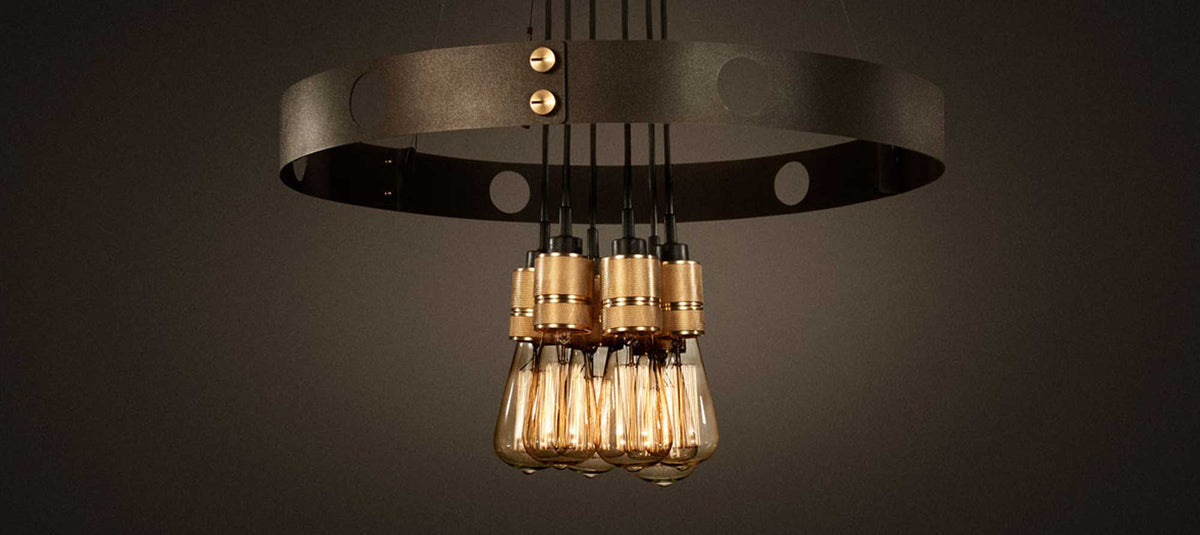
| Industrial | Striking designs, spotlights | Metal, black, brass, patina | More distinctive and characteristic |
| Scandinavian | Simple and lightweight designs | Wood, white metal, fabric, opal glass | Light, soft, and natural |
| Classic / Elegant | Decorative and bold shapes | Glass, brass, chrome | Stylish and decorative |
light striking designer light can serve as the main decorative element in a room. If you choose light bold chandelier or pendant light, it’s best to keep the other lighting elements more subtle so that lighting individual lighting don’t compete with one another. The result will be an interior that looks well-thought-out without feeling cluttered.
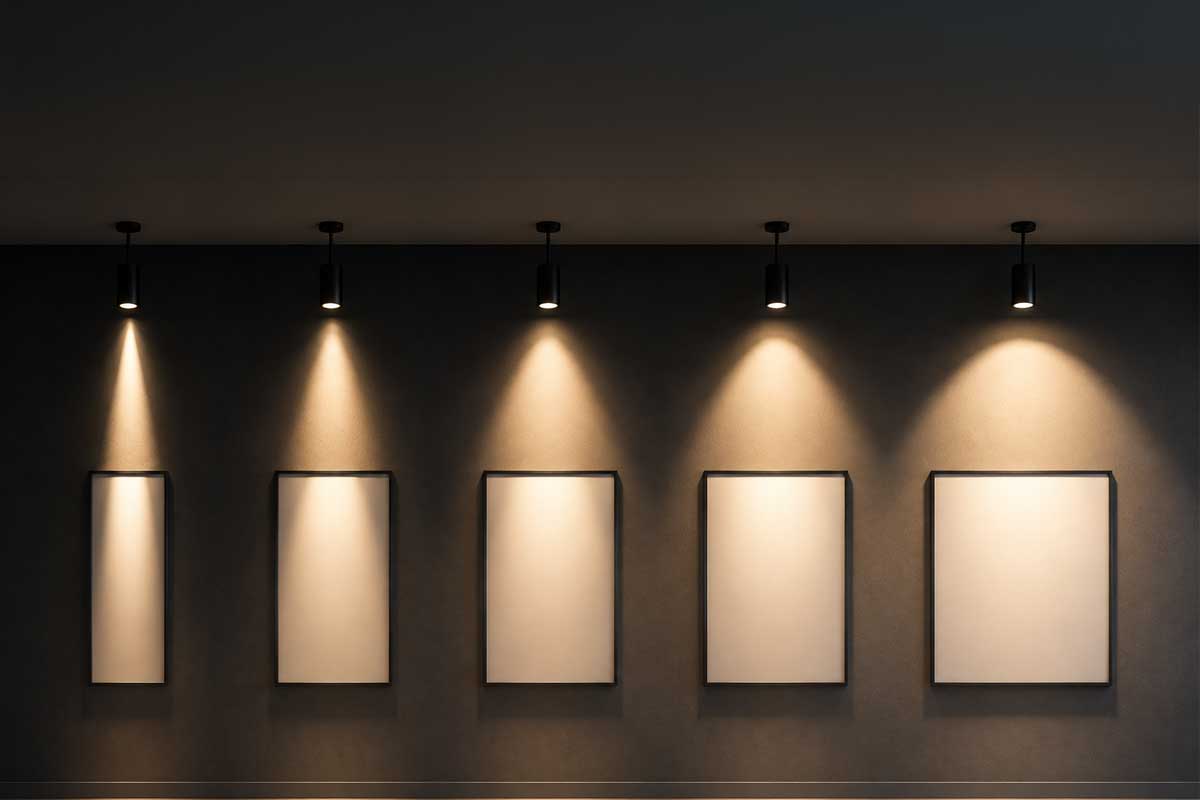
When choosing lighting specific lighting, be sure to consider its lighting characteristics as well. For spotlights and directional fixtures, for example, the beam angle is important, as it affects both the size of the illuminated area and the resulting lighting effect in the interior.

Design isn't everything: pay attention to the lighting specifications as well
light designer light may look great, but if it doesn’t provide the right amount and quality of light, it won’t work well in an interior. When selecting a fixture, therefore, also consider the luminous flux in lumens, color temperature (CCT), color rendering index (CRI), beam angle, and dimmability.
Each of these parameters influences the overall impression in a different way. Lumens determine the amount of light, CCT its color temperature, CRI its color rendering, and the beam angle the way the light spreads throughout a space. It is the combination of these factors that determines whether a design lighting fixture will simply look good or actually function well.
For residential interiors, dimming is also worth considering. It allows you to adjust the lighting intensity according to the time of day and the current situation—from brighter light during normal use to dimmer lighting in the evening. You can find more about the various options and methods of control in our article on lighting dimming.
If you’re choosing light based on technical specifications, you may also find our article on lumens, color temperature (CCT), color rendering index (CRI), and beam angle helpful.
How to Choose the Right Size for lighting
Even the most beautiful light can look out of place in an interior if it’s the wrong size. light that’s too small will get lost in the space and won’t have sufficient visual or lighting impact. Conversely, one that’s too large can overwhelm the room visually and disrupt its proportions.
When making your selection, don’t base your decision solely on lighting appearance or output. The size of the room, ceiling height, and furniture placement all play an important role. Well-chosen dimensions will help create a balanced interior in which the lighting appears natural.
Room size
In larger rooms, you don’t have to worry about larger diameters or more light sources. In small spaces, more subtle lighting are usually more suitable.
Ceiling height
Surface-mounted or recessed lighting are better suited for low ceilings. In rooms with higher ceilings, pendant lighting with a more pronounced length can really stand out.
Furniture Placement
light above a dining table or kitchen island should correspond to the width of the furniture and be positioned approximately above its center.
Overall proportions
A light fixture should appear as a natural part of the space. The visual balance of the entire room is more important than precise dimensions.
If you’re unsure between two sizes, it’s usually better to choose light slightly larger light for larger living spaces. Striking designer lighting often looks more elegant than light that’s too small, which can get lost in the space.
What factors matter when placing lighting?
The correct height and position lighting affect not only the appearance of the interior but also the comfort of its use. The light should sufficiently illuminate the given area, should not be glaring, and should blend naturally with the furniture and architecture of the room.
| Location | Things to Keep in Mind | General Recommendations |
|---|---|---|
| Above the dining table | The light fixture should illuminate the table well, but at the same time not obstruct the view between people. | Approximately 70–90 cm above the tabletop. |
| Above the kitchen island | It is important to ensure even lighting of the work surface and to minimize uncomfortable glare. | Place Lighting approximately in the center of the workspace. |
| Next to the bed | Lighting should be comfortable for reading and should not shine directly into your eyes. | Ideally, approximately at head level when sitting or lying down. |
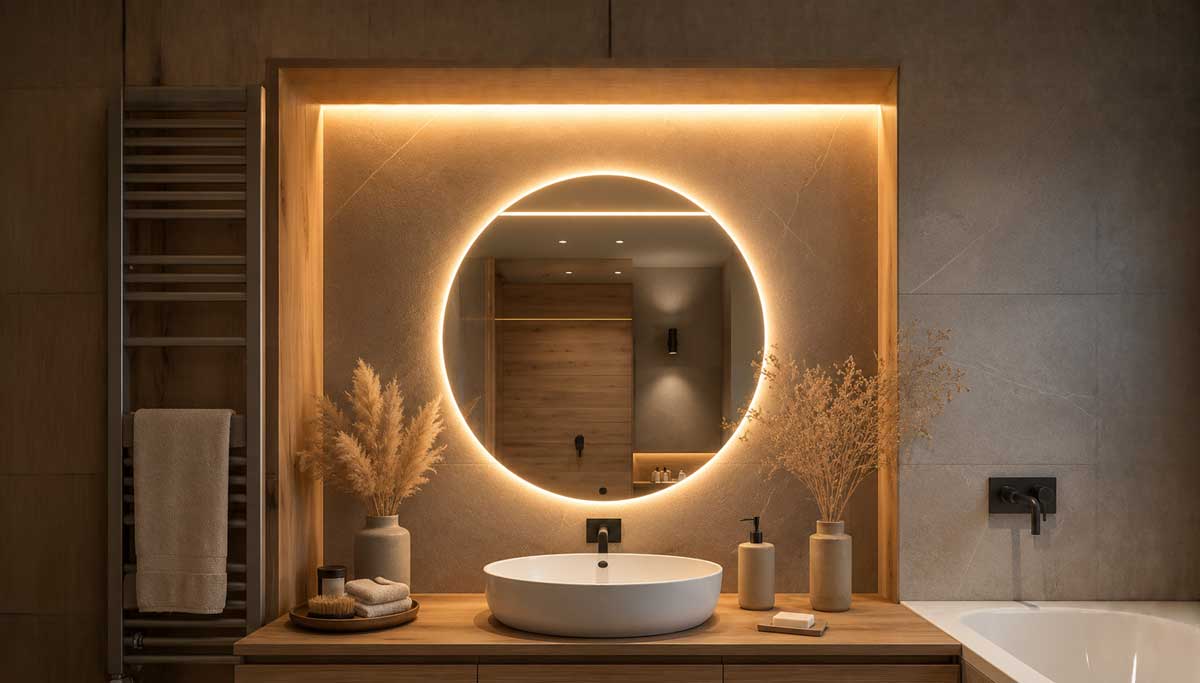
| For bathroom mirrors | The goal is to evenly illuminate the face and minimize shadows. | Lighting from both sides or evenly from the front is ideal. |

How to Choose Lighting for Each Room
Every room has different lighting needs. While in the living room we want to create a pleasant atmosphere and plenty of flexibility, in the kitchen it’s important to have good visibility of the work surfaces, and in the bedroom, calm, soft lighting is preferred. light designer light should therefore not be chosen solely based on its appearance, but also on the role it is meant to play in a specific space.
You’ll achieve the best results by combining multiple light sources, which together create a functional and visually balanced interior.
Living Room
A living room needs a combination of general and accent lighting. light striking pendant or ceiling light can serve as the main design element, while floor lamps, wall lighting or spotlights can highlight specific areas of the room.
Ceiling or pendant light + floor or wall lamps + ambient lighting.
Kitchens
In the kitchen, it’s important to combine general lighting with well-lit work areas. light striking pendant light can be placed above the dining table or kitchen island, while the work area can be complemented by spotlights or linear lights.
Ceiling lights + task lighting + light pendant light above a desk or kitchen island.
Bedroom
You don’t need maximum light in the bedroom. What’s more important is a pleasant atmosphere and the ability to create different levels of lighting. In addition to lighting main lighting, wall or table lamps by the bed and soft, indirect lighting work well.
Ceiling or pendant light + bedside lighting + soft, atmospheric lighting.
Dining Room
In the dining room, lighting can be a striking design element. Most often, light pendant light placed above the center of the table works well, creating a pleasant atmosphere while visually anchoring the dining area of the interior.
A statement pendant light + accent lighting for the surrounding area.
Study
In a home office, the priority is high-quality task lighting without annoying glare or shadows. light ceiling light can serve as the foundation, complemented by table or light adjustable light positioned directly at the workspace.
Even ceiling lighting + a task lamp + any additional lighting as needed.
Bathroom
In the bathroom, it’s important to combine aesthetics with safety and high-quality lighting. In addition to lighting main ceiling lighting, a separate mirror light is recommended to provide even lighting for daily grooming. When selecting bathroom fixtures, it’s also important to consider their IP rating based on the installation location.
Ceiling light + mirror lighting + any decorative or indirect lighting.
Hallway and Entryway
Hallways usually do not need light striking, dominant light. Uniform lighting is often more suitable, complemented by wall lighting or spotlights that can highlight paintings, wall textures, or architectural features.
Ceiling lighting or spotlights + wall lights or accent lighting.
Not every room needs light striking designer light. Sometimes it’s better to let one dominant element stand out and choose simpler lights for the rest. This prevents the interior from looking cluttered and allows the individual elements to complement each other naturally.

Common Mistakes When Choosing Designer Lighting
Designer lighting should not only be a beautiful addition to an interior, but above all a functional part of everyday life. When making a selection, people often focus primarily on the appearance lighting and overlook its size, light output, or appropriate placement. The result is often an interior that looks attractive but fails to provide sufficient light or a pleasant atmosphere.
light beautiful light does not automatically mean a well-lit interior. If it is not the right size or does not provide the right amount of light for a given space, it will not serve its purpose.
light single ceiling light is usually not enough to create a pleasant environment. The room feels flat, shadows form, and it lacks a cozy atmosphere.
light that’s too small will get lost in a larger space, while one that’s too large can visually overwhelm the interior and disrupt its proportions.
Even light perfectly chosen designer light can be unpleasant if it has the wrong color temperature. Cold light reduces coziness, while light that’s too warm can impair comfort while working.
You’ll achieve the best results when you choose designer lighting as part of your overall interior design. It’s not just the appearance of the fixtures that matters, but also their size, placement, light output, and how they work together.
Conclusion
Designer lighting can significantly influence the atmosphere and overall look of an interior. However, it’s not just about choosing lighting beautiful lighting. It’s equally important to select the right size, the appropriate light temperature, sufficient light output, and a well-thought-out arrangement of individual lighting layers. It is precisely their combination that creates a space that is not only aesthetically pleasing but also comfortable for everyday life.
When designing your interior, we recommend considering lighting right from the start of the design process. light well-chosen light becomes a natural part of the space, highlighting its character while providing pleasant lighting conditions for relaxation, work, and spending time with your family. If you’re unsure about what to choose, our articles on lumens, color temperature (CCT), CRI, and selecting LED bulbs can also help you.
Frequently Asked Questions (FAQ)
How to choose designer lighting for your interior?
Start by determining the purpose of each room and create a combination of general, task, and mood lighting. When making your selection, also consider the size of the fixtures, light output, color temperature, and interior style.
What kind of lighting is best for the living room?
A combination of lighting central ceiling lighting, complementary floor or table lamps, and indirect lighting works best. By layering the light, you can easily adapt the atmosphere to different situations.
What color of light should you choose for your interior?
For most living spaces, warm white (2700–3000 K) is recommended, as it creates a pleasant and cozy atmosphere. For home offices or kitchen work areas, you can also choose neutral white around 4000 K.
How many lights should there be in a single room?
A single central light is usually not enough. The ideal approach is to combine several light sources according to their function—general lighting, task lighting, and decorative or mood lighting.
How can you properly combine different types of light fixtures?
You don’t have to choose all lighting from the same collection. What’s more important is that they share similar materials, colors, or design styles and come together to create a harmonious whole.
How big should light pendant light be above the dining table?
The diameter lighting should match the size of the table. It’s usually best if light is about 20 to 40 cm narrower than the tabletop and hangs roughly 70 to 90 cm above it.
Is dimmable lighting worth it?
Yes. The ability to adjust the light intensity significantly enhances user comfort and makes it easy to change the atmosphere of a room depending on the time of day or the activity at hand.
How can I tell if light designer light high-quality?
In addition to appearance, consider the quality of the materials used, light output, color rendering index (CRI), dimming options, warranty length, and the availability of replacement parts or service support.
What are the most common mistakes people make when choosing lighting?
The most common mistake is choosing lighting based solely on appearance. People often underestimate the importance of the lighting size, light output, color temperature, or the need to combine multiple layers of light.
Can modern and classic lighting be combined?
Yes. If they share the same material, color scheme, or similar proportions, combining different styles can look very elegant and give the interior a distinctive character.
Find lighting that will highlight the character of your interior
Whether you’re furnishing a new home or looking for a striking design element for your existing space, our selection features lighting that combine high-quality craftsmanship, modern technology, and timeless design.

Share:
How to Choose the Right Beam Angle for LED Lighting
How to Properly Light a Bathroom Mirror? Height, Placement, and Choosing the Right Light