

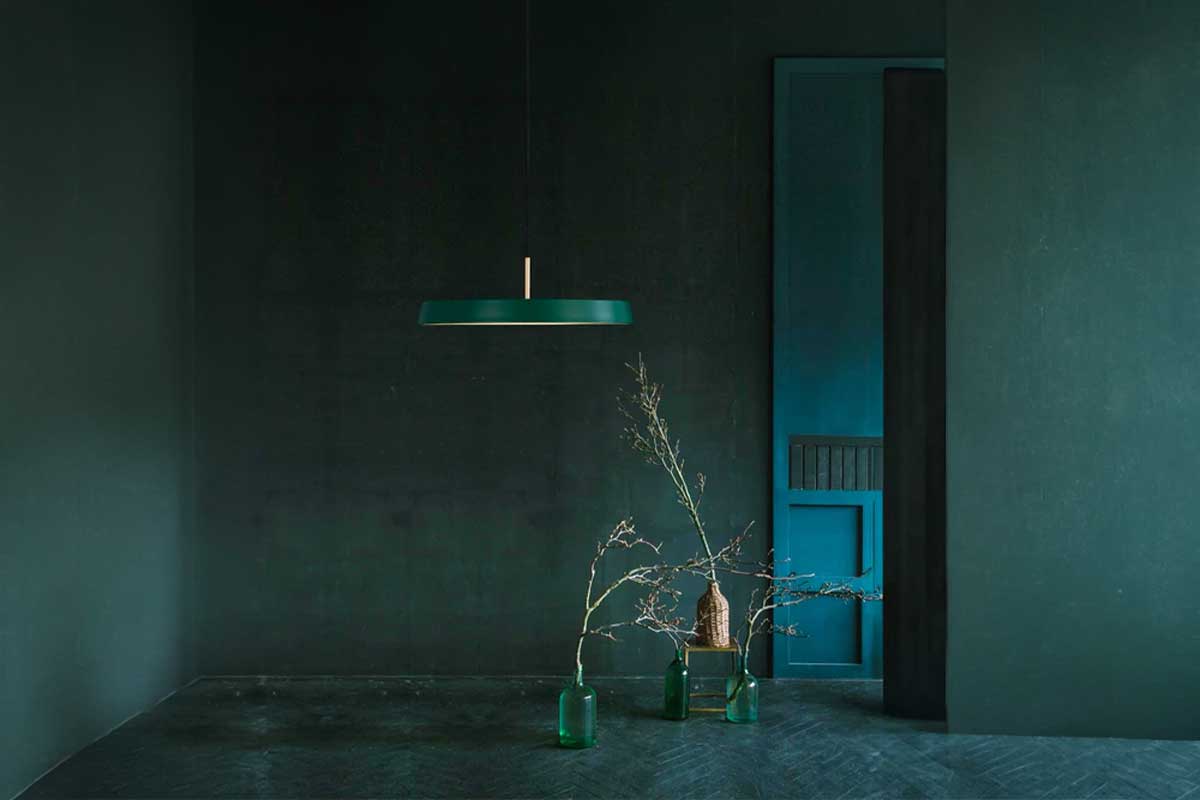
Minimalist interiors are defined by simplicity, clean lines and carefully selected design elements. Rather than filling a space with lots of decorations, minimalist design focuses on balance, functionality and visual clarity. In such interiors, lighting becomes more than just a practical necessity - it becomes a key element that shapes the atmosphere of the entire space.

Design lighting plays a particularly important role in minimalist interiors, as each element must fulfil both an aesthetic and a functional function. One well-chosen light can act as a visual dominator while providing comfortable and efficient lighting.
In this guide we explain how design lighting works in minimalist interiors, what technical factors to consider and how to choose lighting that supports both the style and functionality of a space.
Why lighting is key in minimalist interiors
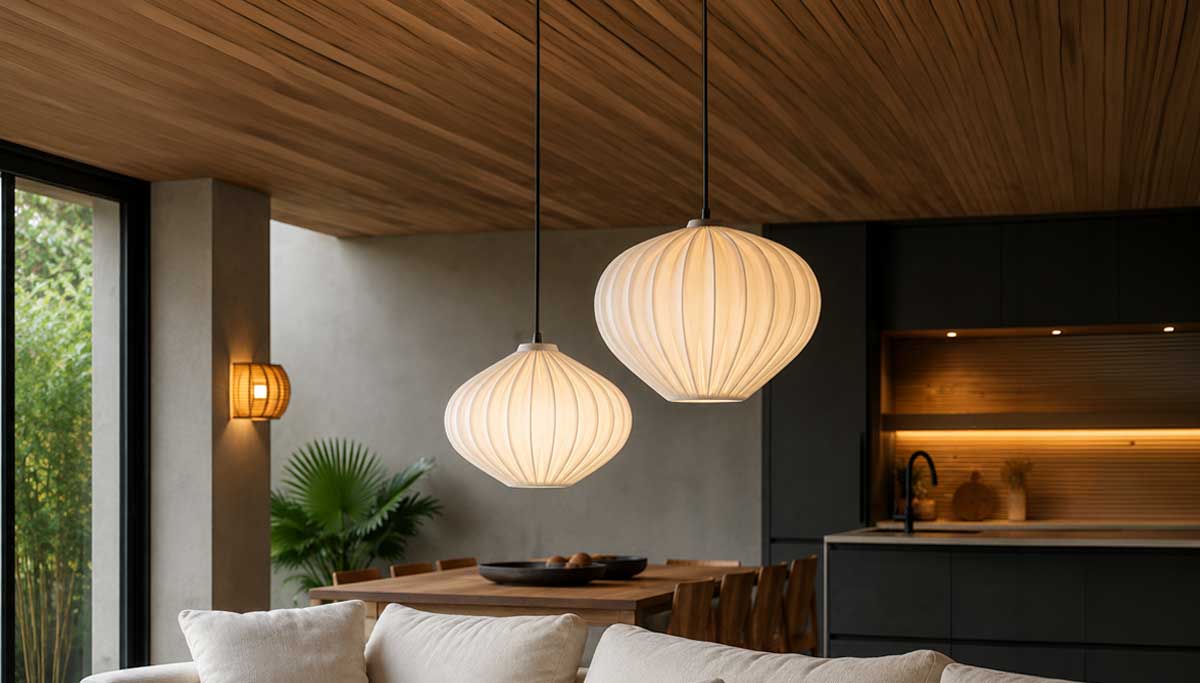
Minimalist interiors tend to have fewer decorative elements than other styles. This is why lighting often becomes one of the most striking elements in a room. A carefully chosen light can accentuate the architecture, support the texture of the materials and add depth to the space.
Quality lighting design also increases the comfort and practicality of a space.
The main benefits of well-designed lighting include:
- Creating a visual landmark - A designer pendant light or sculptural lamp can become the main decorative element of a room.
- Highlighting architectural elements - Lighting can accentuate materials such as wood, concrete, stone or textured walls.
- Improving comfort and visibility - The right lighting ensures the functionality of a space for everyday activities such as reading, working or relaxing.
Because minimalist design emphasizes quality over quantity, investing in thoughtful lighting is one of the most effective ways to enhance an interior.
Understanding design lighting
What is design lighting?

Design lighting refers to lighting designed with an emphasis on aesthetics, craftsmanship and innovation. These lighting are often designed by professional designers and manufactured from quality materials using modern technology.
Unlike conventional lighting fixtures, design lighting fulfils both a practical and aesthetic function.
In minimalist interiors, design lighting is particularly characterized by:
- Simple geometric shapes
- Neutral colors such as black, white or metallic shades
- Materials like glass, brushed metal or natural wood
Thanks to these features, lighting complements minimalist interiors without visually overwhelming them.
Balance between design and function
Although design lighting is visually striking, it must also provide a sufficient amount of light. A fixture that looks good but doesn't shine enough can reduce the practicality of a space.
It is therefore important to consider both design and technical parameters when making a choice.
For example:
- Pendant lighting above the dining table should provide enough light for dining and social activities.
- Floor lamps in the living room should provide comfortable light for reading.
- Wall lighting should produce soft ambient light without glare.
By balancing design and functionality, lighting that improves both the appearance and usability of a space can be achieved.
Layering lighting in minimalist interiors
Professional lighting designers often work with the concept of layered lighting. Instead of one central light, they combine multiple light sources to create depth, flexibility and visual balance.

Ambient lighting
Ambient lighting provides essential light for the entire space. It allows comfortable movement and overall orientation in the room.
Common solutions include ceiling lighting, recessed lights or minimalist pendant lighting. In minimalist interiors, ambient light tends to be even and subtle.
Work lighting
Work lighting focuses on specific activities such as reading, working or cooking.
This includes for example table lamps, reading lamps or kitchen lighting. Proper work lighting improves visibility and reduces eye fatigue.
Accent lighting
Accent lighting is used to highlight specific elements in a space. It can draw attention to architecture, works of art or textured surfaces.
Common solutions include:
- LED strips behind shelves or furniture
- Spot lights focusing on images
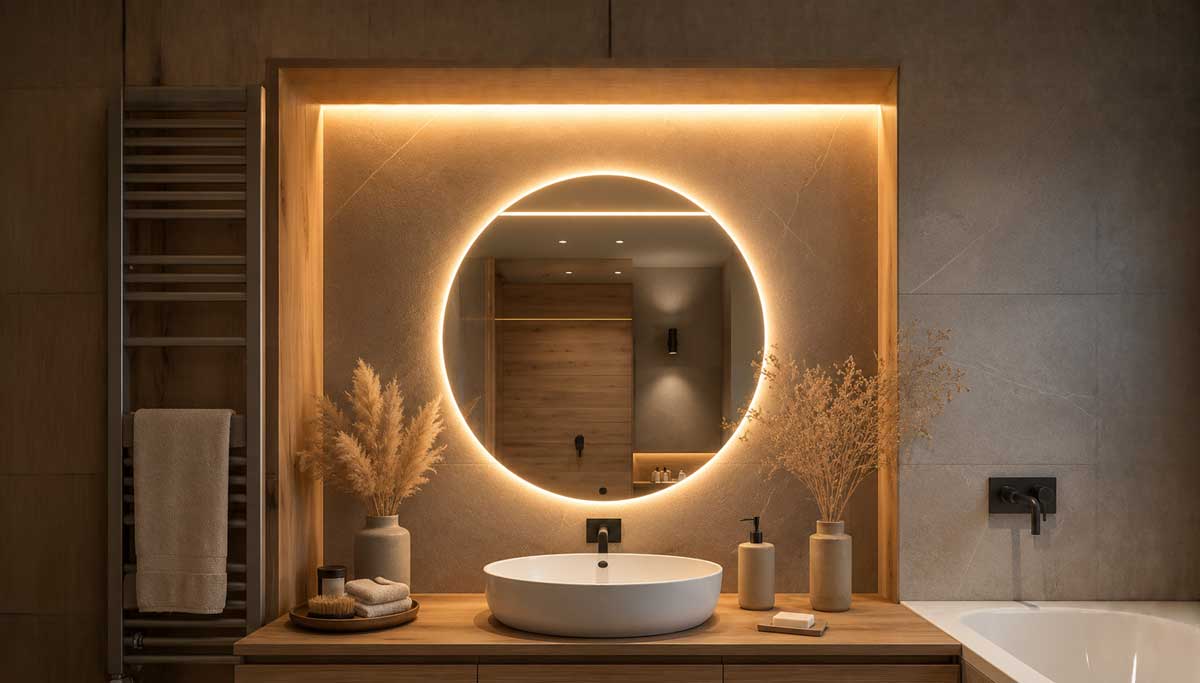
- Indirect lighting creating a soft glow on walls or ceilings
Even in a minimalist interior, subtle accent lighting can add depth and interest to a space.
Choosing the right light temperature

The temperature of the light has a major influence on the atmosphere of the space. It is given in Kelvin (K) and determines whether the light feels warm or cool.
Warm light (2700K-3000K)
The warm light produces a soft, yellowish tone similar to classic incandescent or candlelight. It is mainly used in living rooms, bedrooms and dining rooms.
It works very well in minimalist interiors with natural materials such as wood, fabric or stone.
Neutral light (3500K-4000K)
Neutral light looks brighter and more balanced. It is used in kitchens, corridors or work areas where good visibility is important.
It maintains a modern and clean look while providing comfortable lighting.
Why is warm light suitable for the home?
It promotes relaxation and a sense of well-being, making it ideal for spaces designed for relaxing and spending time with family.
Practical tips for minimalist interior lighting
Lighting design in minimalist interiors requires careful planning. The simplicity of the style makes the lights more prominent and more in plain sight.
Basic recommendations include:
- Choose fewer but better quality luminaires - one distinctive light can replace several ordinary ones.
- Prefer simple shapes and clean lines - minimalist design calls for understated elegance.
- Take advantage of dimming - it allows you to adjust the intensity of the light according to the situation.
- Keep a uniform light temperature - uniting light tones creates harmony.
These rules help to maintain the clean and elegant character of a minimalist interior.
Visual inspiration for design lighting
The inclusion of visual examples in the article helps readers to better understand the principles of lighting.
Suitable inspirations may include:
- Minimalist living rooms with sculptural pendant lighting
- kitchens with linear LED lighting
- Layered lighting schemes
- Examples of warm light on natural materials
These visuals make it easy to understand and at the same time inspire when designing your own interior.
Conclusion
Design lighting plays an essential role in minimalist interiors. Thanks to the emphasis on simplicity and careful selection of elements, lighting often become a key design element.
With the right combination of quality lighting, light layering and appropriate chromaticity temperature, you can create a space that is not only aesthetically pleasing but also fully functional.
Thoughtful lighting design enhances the beauty of a minimalist interior while maintaining its calm and balanced atmosphere. The right lighting can transform a simple space into an elegant and comfortable place to live.


Share:
How to choose exterior lighting for your garden and patio
Modern kitchen lighting.