

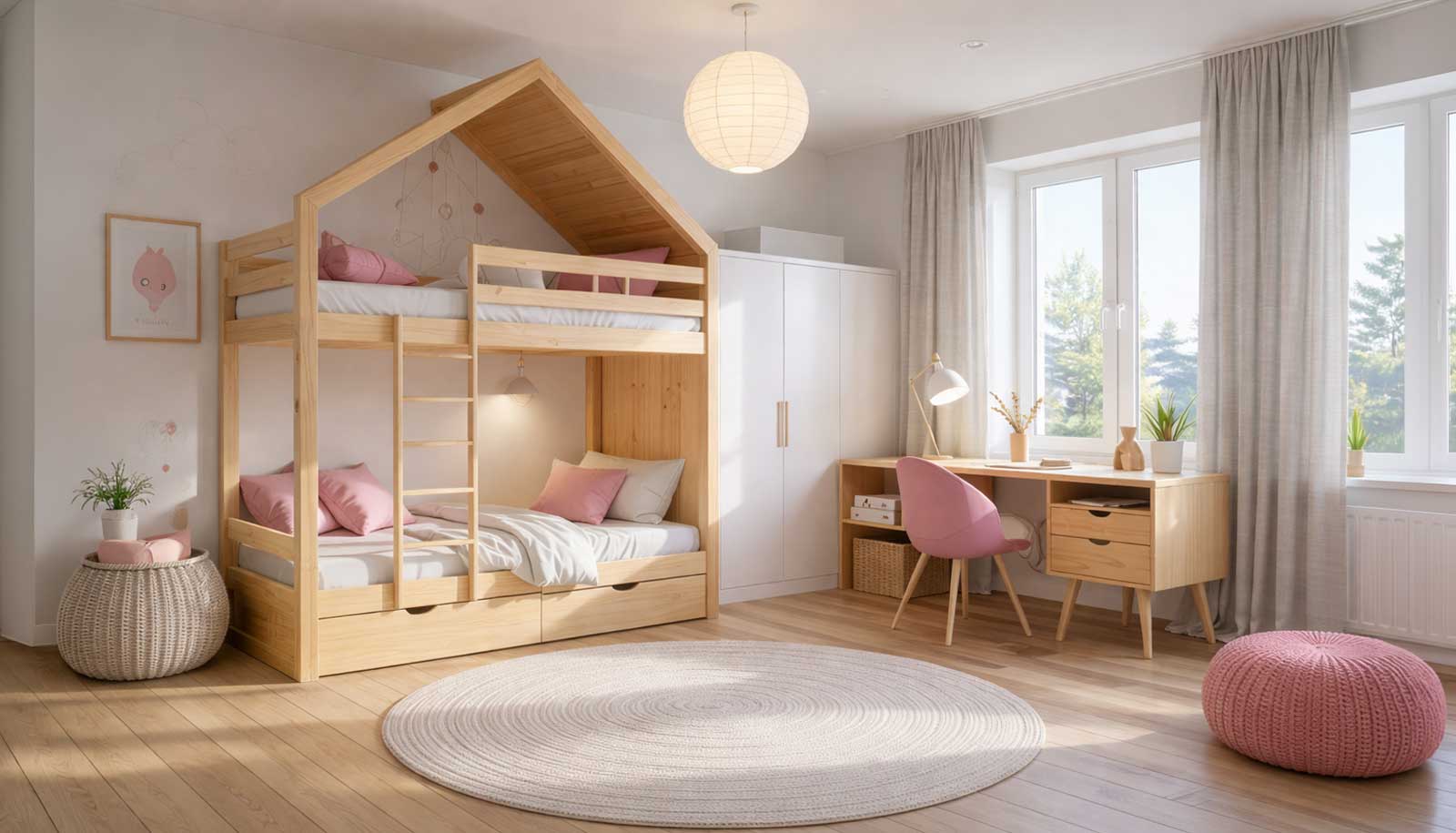
Proper lighting in a child’s room has a greater impact on a child’s daily well-being than many parents realize. After all, a child’s room isn’t just for sleeping. Children play, draw, read, study, and later spend time with friends there. Each of these activities requires slightly different lighting conditions.
In our experience, parents most often focus on the design lighting when making a selection, but light intensity, color temperature, and dimming options are just as important. If you’re unsure which light color to choose, we recommend reading our article on how to choose the right light temperature. Properly designed lighting helps create a pleasant environment for play, supports concentration while studying, and makes it easier to relax before bedtime.
When planning the lighting for a child’s room, we therefore recommend combining several different light sources. This makes it easy to adapt the room’s atmosphere to the child’s current needs and age.
In this article, we’ll look at how to choose lighting for a child’s room based on the child’s age, what color temperature to select, and why it’s a good idea to combine ambient, task, and accent lighting.
Article content
- What kind of lighting is a must-have in a child's room?
- Lighting for babies and toddlers (0–3 years)
- Lighting for preschoolers (ages 3–6)
- Lighting for schoolchildren (ages 6–12)
- Lighting for teenagers (ages 13+)
- Choosing the Right Light Temperature
- Practical tips for lighting a child's room
- Frequently asked questions about lighting for children's rooms
What kind of lighting is a must-have in a child's room?
When designing lighting for a child’s room, we recommend thinking about more than just choosing lighting main ceiling lighting. Each part of the room serves a different purpose, and the lighting should reflect that. A play area has different needs than a desk, and a relaxation zone around the bed has different needs as well.
You usually achieve the best results by combining three basic layers of lighting—ambient, task, and accent. Each serves a different purpose, and together they create a comfortable environment for your child’s daily life.
Ambient lighting
In most children's rooms, light main ceiling light serves as the foundation of the entire lighting system. It provides enough light for playing, getting dressed, putting away toys, and other daily activities, and helps create a pleasant atmosphere throughout the room.
When choosing lighting main lighting, we recommend ensuring that the light is evenly distributed throughout the room. This prevents dark corners and makes the room feel more pleasant and spacious.

Work lighting
Task lighting is an important part of every child’s room, especially when a child starts reading, drawing, or doing homework more often. It usually consists of a table lamp or a desk light that provides enough light exactly where it’s needed.
Just as important as choosing lighting right lighting is placing it correctly. If light comes from the wrong direction, distracting shadows can form on the work surface, causing your child to strain their eyes unnecessarily while reading or writing. High-quality task lighting therefore helps improve comfort and concentration during daily activities.

Accent lighting
Accent lighting adds warmth and a distinctive character to a room. Although it is not necessary for visibility, it helps create a cozy and pleasant atmosphere.
Examples include small decorative lamps, LED strips behind shelves, or subtle wall lighting that highlights decorative elements.
If you’re planning to add LED strips to your child’s room, we recommend reading our article on how to properly install LED strips, where you’ll find installation instructions and tips for choosing the right power supply.
LED strips are among the most popular accent lighting elements in a child’s room. They can be installed, for example, behind the bed, under shelves, or around a desk, where they help create a cozy atmosphere while also serving as an interesting design element.
Lighting for babies and toddlers (0–3 years)
In the early years, lighting should focus primarily on comfort and safety. Babies and toddlers are sensitive to bright light, especially at night.
For nurseries, we find that warm, soft lighting works best. It has a calming effect and helps create a pleasant environment for putting your baby to sleep and for nighttime care.

Helpful lighting ideas for this time of year include:
Warm white light (2700K–3000K) — this color temperature creates a soft light that is pleasant for both children and parents.
Soft night lights — small night lights and lamps allow parents to check on their child without having to turn on the bright overhead lights.
Indirect lighting — light placed behind furniture or shelves can reduce glare and create a more pleasant atmosphere.
Lighting should always be installed safely and out of reach of small children.
Lighting for preschoolers (ages 3–6)
As children grow, their room becomes a more active space where they play, discover the world, and develop their creativity. The lighting should therefore be a bit brighter, while still maintaining a warm and pleasant atmosphere.
Children of this age use their rooms for a wide range of activities, so it is a good idea to combine the main ceiling light with a task light for drawing, crafts, or reading.
Good lighting options for preschoolers include:
Bright yet pleasant ceiling lighting — provides ample light for gaming and everyday activities.
Small table lamps — provide focused light for drawing, crafting, and other creative activities.
Soft lighting by the bed—a reading lamp can make reading bedtime stories in the evening more enjoyable.
Decorative lighting with playful designs also help create an environment where children feel comfortable and safe.
Lighting for schoolchildren (ages 6–12)
When children start school, their room becomes an important place for studying. Proper lighting is essential for reading, writing, and doing homework.
During this period, high-quality desk lighting plays a key role.
Important aspects of lighting include:
Adjustable table lamps — allow you to direct the light exactly where you need it while studying. Our selection also includes table lamps and table lamps suitable for schoolchildren and students.
Balanced room lighting — the difference between the lighting on your desk and the rest of the room should not be too stark, to prevent eye strain.
Neutral white light (3500K–4000K) — this range is most often recommended for task lighting in children’s rooms and at desks. It promotes concentration, improves visibility while reading, and creates comfortable conditions for learning and homework.
If the layout of the room allows, we also recommend dimmable lighting, which makes it easy to adjust the light intensity throughout the day and evening.
Lighting for teenagers (ages 13+)
Teenagers use their rooms for a wide range of activities—from studying and relaxing to playing games and hanging out with friends. Lighting should therefore be flexible and easily adaptable to different situations.

A combination of several light sources is ideal for a teenager’s room. Layered lighting allows you to create different lighting scenes for studying, relaxing, and spending time with friends.
The most common solutions include:
Dimmable ceiling lights — allow you to easily adjust the light intensity to suit your current activity.
Focused desk lighting — high-quality task lighting promotes concentration while studying and reduces eye strain.
Decorative LED lighting—such as LED strips—can give a room a unique character and create a modern atmosphere.
The ability to customize lighting to their own preferences also helps teenagers feel more comfortable in their room and perceive it more as their own personal space.
Choosing the Right Light Temperature
Color temperature has a significant impact on the atmosphere of a child’s room and on how a child feels during various activities. The right choice of light color can promote relaxation, concentration, and overall comfort throughout the day.
For lighting a child's room, it is ideal to combine warm light designed for relaxation with neutral light that promotes concentration while reading, drawing, and doing homework.
Warm light (2700–3000 K) creates a cozy and soothing atmosphere that helps children wind down in the evening and get ready for bed.
Neutral light (3500–4000 K) provides better visibility and promotes concentration, making it an ideal choice for a desk or study area.
If your budget allows, we recommend choosing dimmable lighting. During the day, you can use higher light intensity for playing and learning, while in the evening you can simply lower the brightness to create a calmer atmosphere before bedtime.
Practical tips for lighting a child's room
When planning lighting for a child's room, we recommend considering not only the appearance of the fixtures, but also their practicality, safety, and adaptability to various activities throughout the day.
Use dimmable lighting—it allows you to easily adjust the light intensity according to your current activity and the time of day.
Avoid glare and shadows—task lamps should be positioned so that the light falls directly on the work surface and does not create distracting shadows.
Combine multiple light sources—instead of a single central lighting it’s better to pair your main lighting with a table lamp, night light, or decorative lighting.
Think ahead—a child’s needs change quickly. In our experience, it pays to choose more versatile lighting that will still work well in a few years.
Even small adjustments to the placement and settings of the lighting can significantly improve the comfort, safety, and functionality of a child’s room.
Conclusion
Choosing the right lighting for a child’s room is not just a matter of design. Well-designed lighting encourages play, learning, and relaxation, and helps create an environment where a child feels comfortable and safe.
The combination of ambient, task, and accent lighting, along with a carefully selected color temperature, helps create an environment that supports play, learning, and relaxation. At the same time, it makes it easy to adapt the room’s atmosphere to the child’s age and current needs.
Well-thought-out lighting design provides greater comfort and better conditions for concentration, while also creating a space where children will enjoy spending their time.
Frequently asked questions about lighting for children's rooms
What kind of lighting is best for a child's room?
In our experience, the best approach is a combination of lighting main ceiling lighting, task lighting, and supplementary accent lighting. With multiple light sources, you can easily adapt the lighting for playing, studying, and relaxing.
What light temperature is suitable for a child's room?
For everyday use in a child’s room, we recommend warm to neutral white light. A color temperature of 2700–3000 K creates a pleasant atmosphere for relaxation, while 3500–4000 K is suitable for reading, drawing, and homework.
Is LED lighting suitable for a child's room?
Yes. Modern LED lighting are energy-efficient, have a long lifespan, and offer a choice of different color temperatures. It is important to choose high-quality lighting with sufficient light output and pleasant color rendering.
How many lumens should the lighting in a child's room have?
It depends on the size of the room, but for a typical children’s room, a total luminous flux of approximately 1,500 to 3,000 lumens is most often recommended. It is also advisable to add a table lamp or other supplementary light sources to the main lighting.
Where should I place a desk lamp?
A desk lamp should illuminate the work surface without casting shadows. For right-handed children, it is recommended to place the lamp on the left; for left-handed children, on the right. The light should not shine directly into the child’s eyes.
Is a night light suitable for a baby?
Yes. A soft night light makes it easier to check on your child or feed them at night without having to turn on the main lights. Warm, low-intensity light is ideal, as it does not disrupt sleep patterns.
Does it make sense to use dimmable lighting in a child's room?
Dimmable lighting is one of the most practical solutions. It allows you to easily adjust the light intensity according to your current activity and create a more pleasant atmosphere, for example, when getting ready for bed in the evening.
What kind of lighting should you choose for a teenager's room?
For teenagers, we recommend a combination of high-quality general lighting, a desk lamp, and decorative lighting. Popular choices include LED strips and dimmable lighting, which allow you to create different lighting atmospheres.
How bright should the lighting be in a child's room?
For a typical children’s room, we recommend sufficiently powerful general lighting that evenly illuminates the entire space. The specific light output depends on the size of the room, but in most cases it ranges from approximately 1,500 to 3,000 lumens.
Choose a ceiling light for your child's room
light high-quality ceiling light is the foundation of any child’s room lighting. Discover modern LED lighting with sufficient brightness to provide pleasant lighting for playing, studying, and relaxing.
Browse ceiling lighting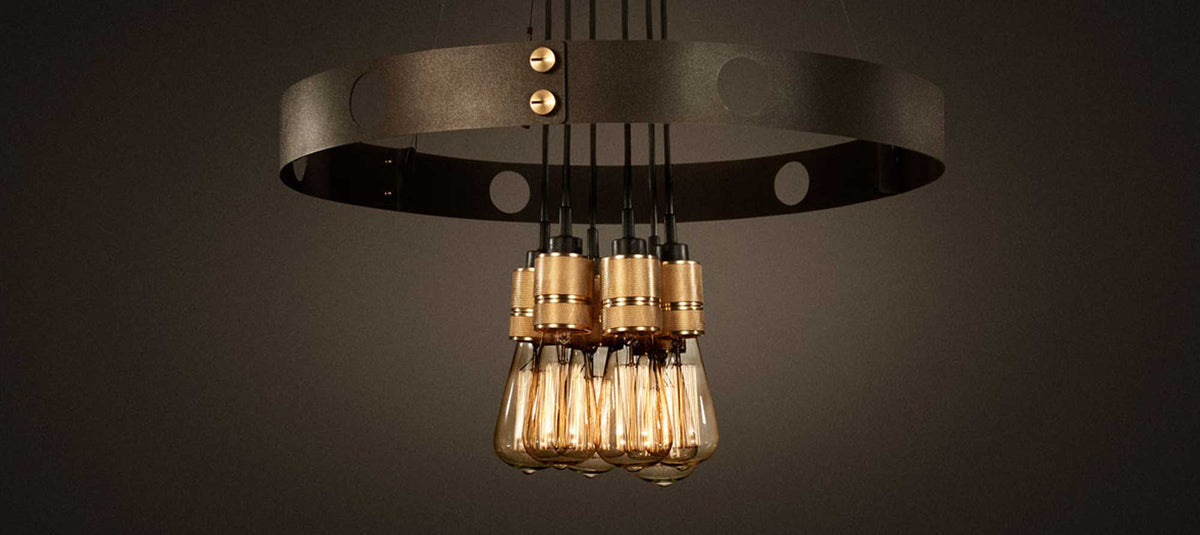
Share:
What is CCT and how to choose the right light temperature
How to choose lighting for the bedroom for a pleasant atmosphere and better sleep