


Lighting is one of the most important tools in interior design, yet it is often underestimated. While furniture, colors, and decorations determine a room’s visual style, lighting determines how the space is actually perceived. One of the key factors that influence the atmosphere is the color temperature of the light.
Color temperature is measured in Kelvins (K) and describes the color tone of the light produced by a light bulb or light. The right color temperature can transform a space into a warm and comfortable environment or, conversely, create a bright and energetic atmosphere. In homes, the goal is usually to create cozy lighting and a pleasant environment where people can relax and feel comfortable.
In this article, we’ll explain how light temperature affects mood, why warm lighting is ideal for cozy interiors, and how to choose the right light temperature for different areas of your home.
Article content
What is color temperature?
Color temperature refers to the color appearance of light emitted by a light source. It is measured in Kelvin (K), and different Kelvin values produce different shades of light.
Lower Kelvin values create warm, yellowish light, while higher values produce cooler, bluish light similar to daylight. Understanding these ranges helps homeowners and designers choose lighting that suits both the function of the space and its atmosphere.
Common color temperature ranges
| Light temperature | Lighting design | Typical applications |
|---|---|---|
| 2000K–3000K | Warm white | Living rooms, bedrooms |
| 3000K–4000K | Neutral white | Kitchens, bathrooms |
| 4000K–6500K | Cool white / daylight | Offices, garages |

Warm lighting creates a soft and relaxing atmosphere, while cooler light improves concentration and visibility. For most residential interiors, warm or neutral light is best.
Why is warm lighting suitable for the home?
One of the most common questions people search for online is:
Why is warm light suitable for the home?
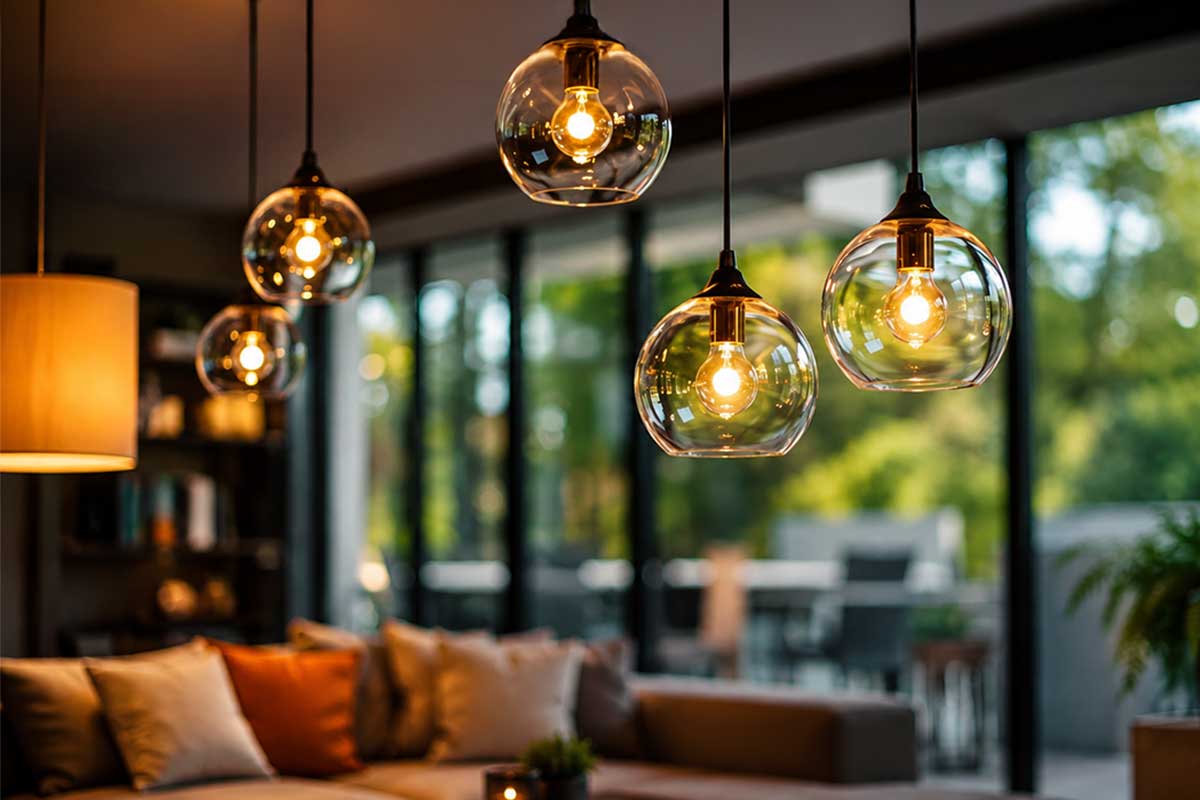
Warm lighting resembles the natural hue of light at sunset or candlelight. As a result, it creates an environment that has a calming and relaxing effect on the human eye. This type of lighting promotes a sense of comfort and helps transform your home into a pleasant place to live.
Warm lighting offers several benefits for interiors:
- It creates a relaxing and cozy atmosphere. Warm light softens the overall look of the room and makes the space more pleasant for everyday activities, such as watching TV, reading, or spending time with family.
- It helps the body naturally transition into evening mode. Lighting with warmer tones is less stimulating than cool white light, which supports the natural rhythm of rest and relaxation.
- It highlights materials and decorative elements in the interior. Warm light accentuates the textures of materials such as wood, fabric, or decorative surfaces, making them appear richer and more visually appealing.
For these reasons, designers often recommend warm lighting for living rooms, bedrooms, dining rooms, and hospitality spaces.
How light temperature affects mood and comfort
Lighting has a strong psychological impact on how we perceive a space. Different light temperatures can make a room feel calming or, conversely, energizing.

Warm light (2700K–3000K)
Warm lighting creates a soft and pleasant lighting effect that is ideal for a relaxing environment. It fosters a cozy atmosphere that encourages rest and conversation, making it perfect for living rooms and bedrooms.
Neutral light (3500K–4000K)
Neutral lighting falls between warm and cool tones. It provides balanced light that appears natural and bright without being too harsh. This type of lighting is often used in kitchens, hallways, and bathrooms.
Cool light (5000K–6500K)
Cool lighting is brighter and more energetic. It promotes concentration and good visibility, which is why it is often used in offices, garages, or technical areas.
Understanding these differences makes it easier to design lighting for your home that is both functional and pleasant.
How to choose the right light temperature for each room
Every room in the house serves a different purpose, and the lighting should match how it is used.

Living room lighting
Recommended color temperature: 2700K–3000K
The living room is usually the center of relaxation and social activities, which is why properly designed living room lighting plays an important role in creating a pleasant and cozy atmosphere.
For best results, designers recommend combining multiple light sources. Ceiling lighting provide basic lighting, while floor lamps or table lamps create softer layers of light that enhance a cozy atmosphere.
Bedroom lighting
Recommended color temperature: 2200K–2700K
Bedrooms benefit from even warmer light, as proper bedroom lighting significantly affects the quality of rest.
Bedside lamps, wall lighting, or indirect LED lighting behind furniture can create a soft glow that prepares the body for sleep and promotes relaxation.
Kitchen lighting
Recommended color temperature: 3000K–4000K
Good visibility is very important in the kitchen. Neutral light allows you to clearly see work surfaces while preparing food, while maintaining a pleasant atmosphere.
Common solutions include LED lighting under kitchen cabinets, pendant lighting above the kitchen island, or evenly spaced ceiling lights.
Conclusion
Light temperature plays a crucial role in creating a homey atmosphere. Warm lighting in the range of 2700K to 3000K is usually the best choice for living spaces, as it creates a soft and pleasant light that promotes relaxation and comfort.
By combining the right light temperature, layered lighting, dimmable fixtures, and thoughtful lighting placement, you can create an interior that is not only functional but also visually appealing.
Whether you’re designing a new home or updating your existing lighting, understanding color temperature is one of the simplest and most effective ways to create modern home lighting that feels both cozy and functional.
Frequently asked questions about light temperature
What is the best light temperature for a living room?
Warm light in the range of 2700K to 3000K is most often recommended for the living room. This type of lighting creates a pleasant and cozy atmosphere suitable for relaxation and spending time with family.
What kind of light is best for the bedroom?
Bedrooms typically benefit from very warm lighting in the range of 2200K to 2700K. Warmer light has a calming effect and promotes relaxation before bedtime.
What does 3000K mean in lighting?
The value 3000K refers to the color temperature of the light in Kelvin. Light with this temperature appears warm white and is often used in residential interiors, where it helps create a pleasant atmosphere.
Is warm or cool light better?
It depends on the specific room and how the space is used. Warm light is suitable for relaxation and living areas, while cool light promotes concentration and better visibility.
What light temperature is best for the kitchen?
Neutral light in the range of 3000K to 4000K is most often recommended for the kitchen. It provides good visibility while cooking and maintains a pleasant interior ambiance.
What kind of light is easiest on the eyes?
For a typical home environment, warm or neutral light is usually the most pleasant. The right light temperature helps reduce eye strain and creates a more comfortable environment.
What is color temperature?
Color temperature refers to the color hue of light emitted by a light source. It is measured in Kelvin (K) and determines whether the light appears warm, neutral, or cool.
Are you looking for the right lighting for your interior?
Browse our selection of designer lighting fixtures and find inspiration for modern lighting for living rooms, bedrooms, kitchens, and other interiors.
Browse lighting
Share:
How to choose the right lighting for the living room: a complete guide