


Bedroom lighting affects much more than just the look of the interior. Properly designed lighting creates a pleasant atmosphere for relaxation, makes evening reading and morning routines easier, and helps create a space where you’ll feel truly comfortable.
In this guide, we’ll show you how to properly light a bedroom, what lighting to choose, where to place them, and what to focus on during the design process so that the resulting lighting is not only aesthetically pleasing but, above all, comfortable for everyday use. If you’re also interested in basic lighting parameters, we recommend starting with the article “What Are Lumens and How Many Do We Need for Each Room?”
When designing bedroom lighting, it’s important to consider not only the design of the fixtures, but above all their function, placement, and how they work together. It’s the right layering of light that determines how comfortable the space will feel during everyday use.
Article Content
- Why is proper bedroom lighting important?
- What kinds lighting are suitable for a bedroom?
- How should you arrange the lighting in your bedroom?
- What color of light should you choose for the bedroom?
- What features of lighting fixtures should you focus on when making your selection?
- How to design bedroom lighting step by step?
- Common Mistakes in Bedroom Lighting
- FAQ: Frequently Asked Questions About Bedroom Lighting
Why is proper bedroom lighting important?
The bedroom is a place for rest, relaxation, and daily routines. In addition to sleeping, we often read, change clothes, or spend quiet moments there before falling asleep. Properly designed lighting must therefore fulfill multiple functions at once—creating a pleasant atmosphere, providing sufficient light for everyday activities, and at the same time not being distracting.
Many bedrooms are still equipped with only a single central ceiling light. While this solution illuminates the space, it often creates harsh light and deep shadows and does not provide sufficient comfort for evening relaxation. You can achieve significantly better results by combining several layers of lighting that can be used according to your current needs.
The most comfortable bedrooms usually don’t rely on a single bright light. A combination of lighting main ceiling lighting, bedside lamps, and soft indirect lighting works much better. This makes it easy to adjust the light intensity to suit different activities and times of day.
Well-designed lighting can also make an interior feel cozier, highlight the materials used, and create a harmonious atmosphere. Choosing the right light fixtures should therefore be based not only on their appearance but also on how well they will serve your bedroom in everyday use. If you’re planning the lighting for your entire house or apartment, we recommend reading the article “How to Design Interior Lighting.”
What kinds lighting are suitable for a bedroom?
Each type of lighting serves a different purpose in the bedroom. While light main light provides general illumination for the room, accent lights create a pleasant atmosphere, make reading easier, or highlight specific areas of the interior. You’ll therefore achieve the best results by combining several light sources rather than relying on a single central lighting.
How do you choose light based on its intended use?
| lighting Type | What is it for? | When We Recommend It |
|---|---|---|
| Ceiling light | Main lighting for the entire room | In every bedroom |
| Pendant light | A design element and the main light source | In taller or more spacious bedrooms |
| Table lamp or wall light | Reading and task lighting | On both sides of the bed |
| LED strips | Indirect ambient lighting | To create a pleasant atmosphere |
| Cabinet Lighting | Better guidance when choosing clothes | For built-in closets and walk-in closets |

light ceiling light is the foundation of any bedroom’s lighting. Surface-mounted or recessed models with warm white light (2700–3000 K) are most commonly used. If possible, we recommend choosing a dimmable option, which allows you to adjust the light intensity to suit different situations throughout the day.
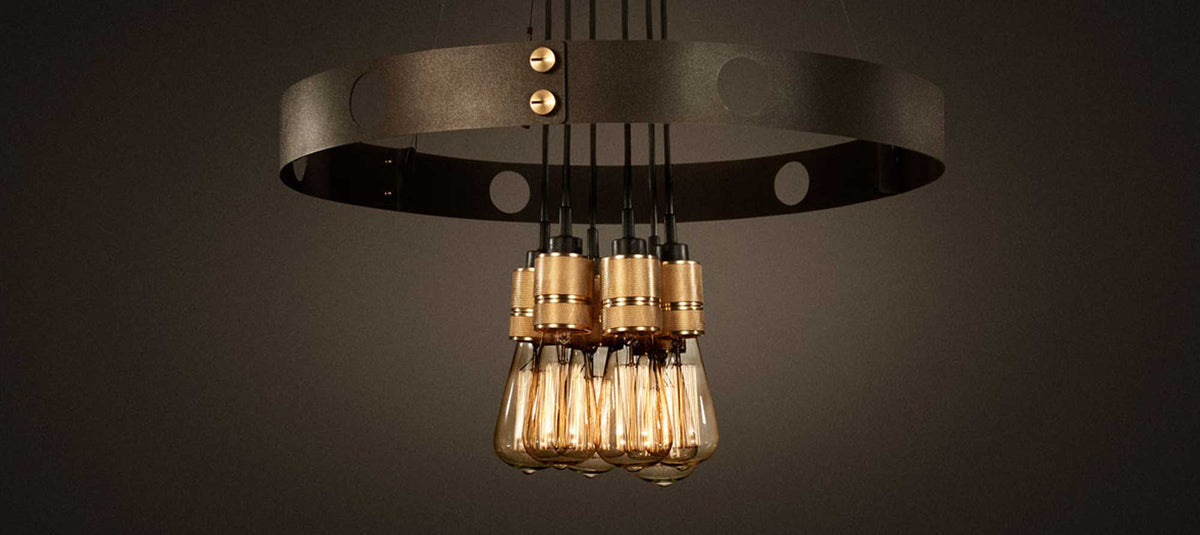
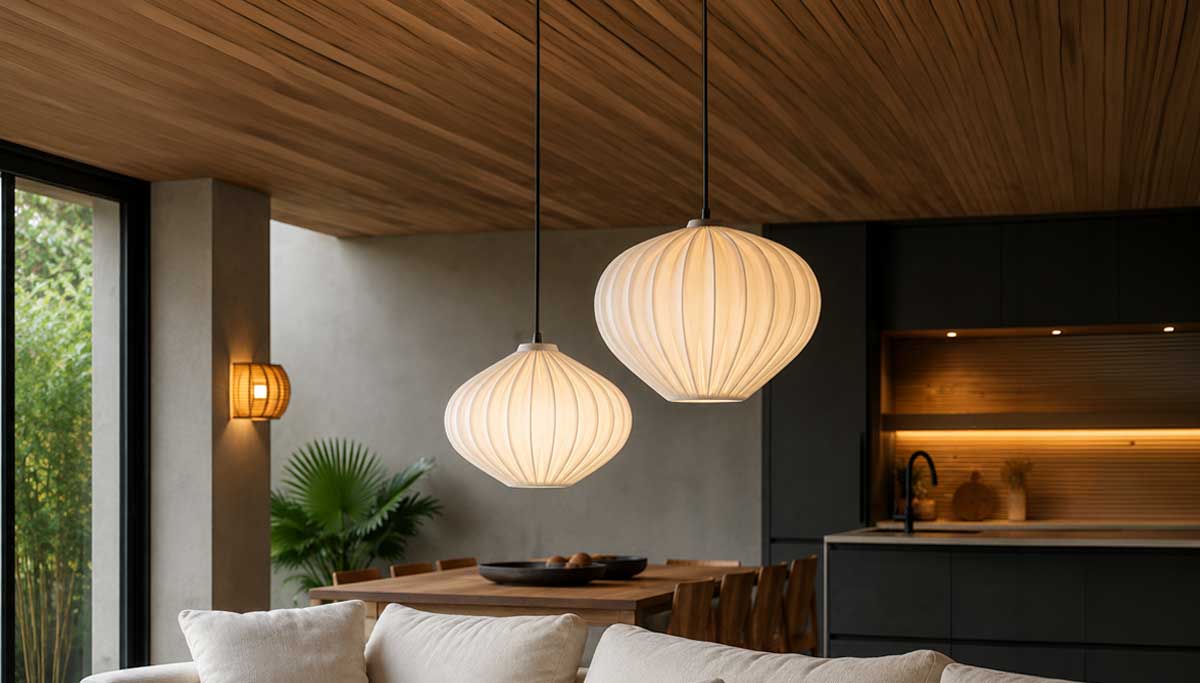
Pendant lighting add a striking design element to the bedroom and can also serve as the main source of lighting. They look their best in larger rooms or in spaces where a higher ceiling allows them to be hung properly without compromising comfort.
Bedside lighting significantly enhances comfort during evening reading and everyday use of the bedroom. Wall lighting or table lamps with adjustable light direction that don’t blind your partner are practical choices.
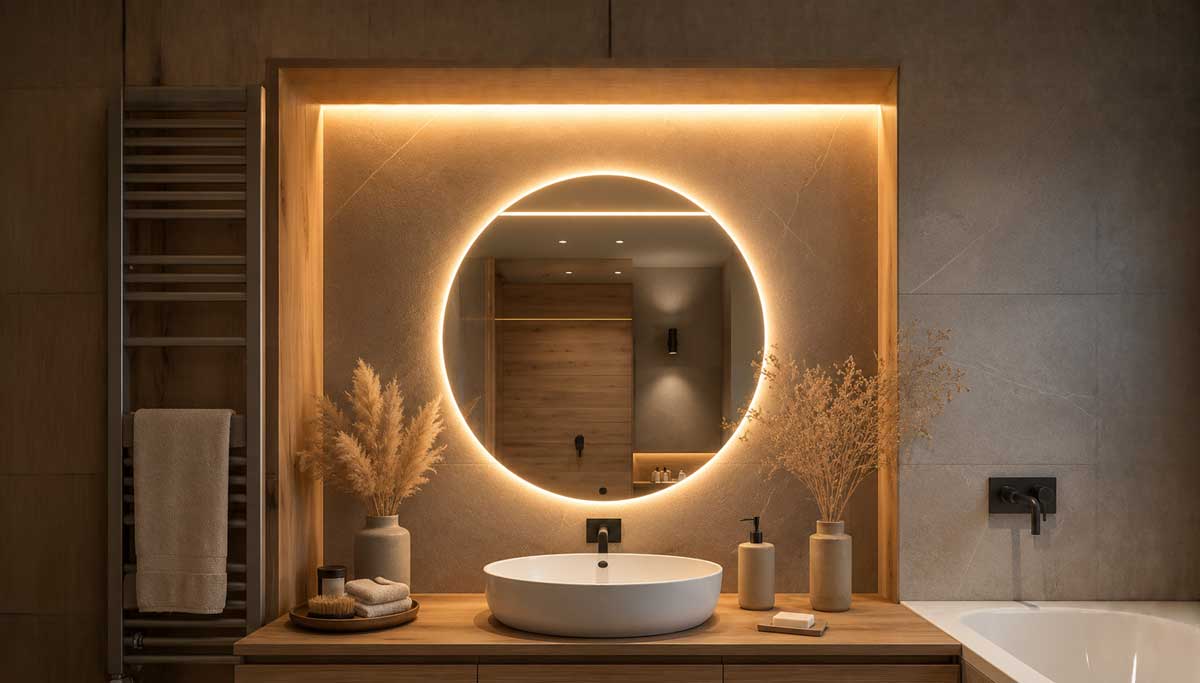
Indirect lighting creates a pleasant atmosphere and adds depth to the interior. LED strips are most often installed behind the headboard, in the ceiling, or under the bed, where they provide soft ambient light without unpleasant glare.
Built-in LED lighting makes it easier to find your way around when choosing clothes and enhances the comfort of everyday use. A popular solution is lighting with a motion sensor that automatically turns on when the closet door is opened.
A combination of main ceiling lighting, bedside lamps, and indirect lighting works best. With multiple layers of light, you can easily create the right conditions for relaxation, reading, and everyday activities.
How should you arrange the lighting in your bedroom?
The proper placement of light fixtures has just as much of an impact on your overall comfort as the fixtures themselves. A well-designed bedroom uses several layers of lighting that can be used independently depending on the situation. This provides pleasant lighting for relaxation, reading, and everyday activities.

Central Lighting
light central light should provide even lighting throughout the entire room. Ideally, it should be placed in the center of the bedroom or positioned according to the layout of the room so that no significant shadows are cast.
Bedside lighting
Table lamps or wall lighting placed on either side of the bed provide comfortable reading light without disturbing the other person’s sleep. Models with adjustable light direction are particularly advantageous.
Indirect lighting
LED strips behind the headboard, in the ceiling, or under the bed create soft ambient light. In the evening, they help create a pleasant atmosphere and can also serve as task lighting.
Wardrobes and storage solutions
Recessed LED lighting inside a closet or dressing room makes it easier to find your way around when choosing clothes. lighting with motion sensors are particularly practical, as they turn on only when the door is opened.
The most comfortable bedrooms usually combine central lighting with bedside lamps and soft indirect lighting. Individual lighting zones can be used separately, so you can easily create the right conditions for relaxation, reading, and everyday activities.
You can also find inspiration for working with multiple layers of lighting in our article on living room lighting, where we discuss this same principle in greater detail.
What color of light should you choose for the bedroom?
Color temperature is one of the most important factors to consider when choosing bedroom lighting. It affects not only the appearance of the interior but also the overall atmosphere and sense of comfort. The bedroom is a space intended primarily for rest, which is why warmer shades of light are typically used there than, for example, in the kitchen or home office.
| Light color temperature | The Nature of Light | Recommended Use |
|---|---|---|
| 2700 K | Very warm, cozy light | Bedroom, bedside lamps, indirect lighting |
| 3000 K | Warm white light | Main ceiling lighting for most bedrooms |
| 4000 K | Neutral white light | Fitting rooms or spaces where more accurate color rendering is needed |
For most bedrooms, we recommend using 2700 K to 3000 K. Warm light looks natural, creates a cozy atmosphere, and better promotes relaxation in the evening. If the bedroom is connected to other rooms, it’s a good idea to maintain the same color temperature in the adjoining spaces so that the entire interior has a unified look.
For maximum flexibility, you can combine individual lighting circuits. For example, light main ceiling light can have a color temperature of 3000 K, while the bedside lamps or indirect LED lighting can use an even warmer light of 2700 K, which creates a calm evening atmosphere.
If you're not sure which color temperature to choose, we recommend reading our article on color temperature (CCT), where we explain the different options in more detail.
What features of lighting fixtures should you focus on when making your selection?
When choosing lighting for the bedroom, it’s not enough to base your decision solely on lighting lighting appearance. Its technical specifications also determine how pleasant the space will feel during everyday use. These specifications affect comfort while reading, relaxing in the evening, and waking up in the morning, and they have a significant impact on the room’s overall atmosphere.
In the bedroom, you’ll appreciate the ability to adjust the light intensity to suit the situation. Brighter lighting comes in handy when cleaning or getting dressed, while in the evening, soft lighting creates a more pleasant atmosphere for relaxation.
For most bedrooms, we recommend warm white light with a color temperature of 2700 to 3000 K. It creates a cozy feel, promotes relaxation, and helps create a calm atmosphere suitable for evening rest. Learn more in our article on color temperature (CCT).
High-quality lighting should render colors as naturally as possible. That’s why we recommend choosing lighting with a CRI of 90 or higher, which will make fabrics, furniture, and interior colors appear natural. For more information, see our article on the Color Rendering Index (CRI).
When looking up from your bed, light that’s too harsh can be uncomfortable. Choose lighting with high-quality optics or a diffuser that evenly distributes the light and reduces glare. We discuss this topic in more detail in our article on the UGR value.
One advantage of table lamps and wall sconces is their adjustable light direction. You can easily direct the light toward a book or nightstand without disturbing another person.
Recommended lighting specifications for the bedroom
| Parameter | Recommendations |
|---|---|
| Light color temperature | 2700–3000 K |
| CRI | 90 and up |
| UGR | Ideally under 19 |
| Dimming | Recommended |
When choosing light fixtures, it’s worth considering not only their design but also these parameters. With the right combination of high-quality light, dimming capabilities, and the appropriate color temperature, you can create a bedroom that’s both comfortable for relaxation and practical for everyday use.
How to design bedroom lighting step by step?
There is no one-size-fits-all solution that will work for every bedroom. The size of the room, the arrangement of the furniture, and how the space is used can vary significantly. However, if you follow a few basic steps when designing your lighting, you’ll create a lighting scheme that is functional, pleasant, and will suit your needs for years to come.

Start with general lighting
Choose light ceiling or pendant light that will provide even lighting throughout the entire bedroom. It should provide enough light for everyday activities without being too harsh.
Add bedside lighting
Table lamps or wall lighting make evening reading more enjoyable and allow you to use light without disturbing others. Models with adjustable light are ideal.
Create a cozy atmosphere with indirect lighting
LED strips behind the headboard, in the ceiling cove, or under the bed add depth to the space and create soft ambient lighting perfect for evening relaxation.
Choose the right light temperature
For most bedrooms, we recommend warm white light with a color temperature of 2700–3000 K. This will make the space feel cozy and natural.
Think flexibility
If possible, choose dimmable lighting or divide the lighting into several separately controlled circuits. This makes it easy to adjust the light intensity to suit different situations throughout the day.
When designing bedroom lighting, we’ve found that a combination of lighting main ceiling lighting, two bedside lamps, and soft, indirect LED lighting works best. This solution provides enough light for daily activities while also creating a calm atmosphere for evening relaxation.
Well-designed bedroom lighting should, above all, be natural and comfortable. The individual layers of lighting should work together so that the space can easily adapt to different situations—from waking up in the morning to relaxing in the evening.
Common Mistakes in Bedroom Lighting
Even high-quality lighting may not create a pleasant bedroom if they are chosen inappropriately or placed incorrectly. Several common mistakes are made when designing lighting that can negatively affect comfort, atmosphere, and the quality of rest.
Only one central light
A single ceiling light is usually not enough. The bedroom then feels flat and lacks a pleasant atmosphere for evening relaxation. A combination of main lighting, bedside lamps, and indirect ambient lighting is much better.
The light is too cold
Neutral or cool white light can make a bedroom feel uncozy and disrupt the sense of calm. In most cases, warm white light with a color temperature of approximately 2,700 to 3,000 K is more suitable.
Missing bedside lamps
If you have to turn on the entire ceiling light while reading, it reduces comfort and can disturb others. Stand-alone lamps or wall lighting next to the bed are among the most practical solutions today.
Excessive glare
Lighting with exposed light sources or inappropriate optics can cause unpleasant glare when viewed from the bed. Opt for fixtures with diffused or indirect light, which create a more pleasant atmosphere.
No dimming option
The same light intensity isn’t suitable for getting dressed in the morning or relaxing in the evening. Dimmable lighting or multiple independently controlled lighting circuits significantly enhance the comfort of using the bedroom.
Insufficient lighting in the closet
Lighting for storage spaces is often overlooked. Built-in LED lighting inside or near a closet makes it easier to find clothes and enhances the everyday experience of using your bedroom.
By avoiding these mistakes, you’ll create a bedroom that not only looks good but, above all, offers a pleasant environment for relaxation, quality sleep, and everyday use.
Conclusion
Properly designed bedroom lighting has a significant impact on the quality of rest, everyday comfort, and the overall atmosphere of the interior. It’s not enough to simply choose light designer light—it’s also important to consider the placement of light sources, color temperature, light intensity, and the ability to adjust the lighting to different situations throughout the day.
You’ll usually achieve the best results by combining a main ceiling light, bedside lamps, and soft indirect or accent lighting. Thanks to these multiple layers of light, your bedroom will not only be functional but also a pleasant place for evening relaxation, reading, and a good night’s sleep.
FAQ: Frequently Asked Questions About Bedroom Lighting
What kind of light is best for the bedroom?
For most bedrooms, the best combination is a main ceiling light, bedside lamps, and indirect ambient lighting. Thanks to layered lighting, you can easily adjust the atmosphere to suit different activities and times of day.
What color temperature is best for a bedroom?
Warm white light with a color temperature of 2700 to 3000 K is most often recommended. It has a pleasant effect, promotes relaxation, and creates a cozy atmosphere suitable for rest. For more information, see our article on color temperature (CCT).
How many light sources should a bedroom have?
It’s best to combine several layers of lighting. In addition to lighting main ceiling lighting, we recommend adding bedside lamps, indirect LED lighting, or decorative lights.
Are LED strips suitable for the bedroom?
Yes. LED strips are often used behind the headboard, under the bed, or in drop ceilings. They create soft, indirect lighting that enhances the evening atmosphere without causing unpleasant glare.
Is dimmable lighting worth it?
Absolutely. The ability to adjust the light intensity allows you to create bright lighting for everyday activities as well as a subdued atmosphere for evening relaxation.
What kind of light should you choose for reading in bed?
Wall lamps or table lamps with adjustable light direction are the best choice. They provide enough light for reading without illuminating the entire room or disturbing others.
Is light central light better, or is it better to have several smaller lights?
In most cases, the best approach is to combine both solutions. light central light provides basic lighting, while accent lights enhance comfort and create a more pleasant atmosphere.
What CRI should bedroom lighting have?
We recommend choosing lighting with a Color Rendering Index (CRI) of at least 90. The colors of furniture, textiles, and skin will appear more natural, and the entire room will be more visually pleasing. You can find a more detailed explanation in the article about CRI.
How should you arrange the lighting in your bedroom?
Light should be distributed evenly. Complement the main lighting with lamps by the bed and, if desired, indirect lighting behind the headboard, near the ceiling, or inside the closets. This will make the bedroom both functional and cozy.
Are you looking for bedroom lighting?
The right lighting will transform your bedroom into a place where you’ll feel comfortable every day. Our selection includes ceiling lighting, wall sconces, bedside lamps, and designer LED lighting for both modern and classic interiors.
Browse bedroom lighting

Share:
How to Choose Lighting for Your Dining Table
How to Properly Light a Staircase? A Complete Guide to Choosing Staircase Lighting