

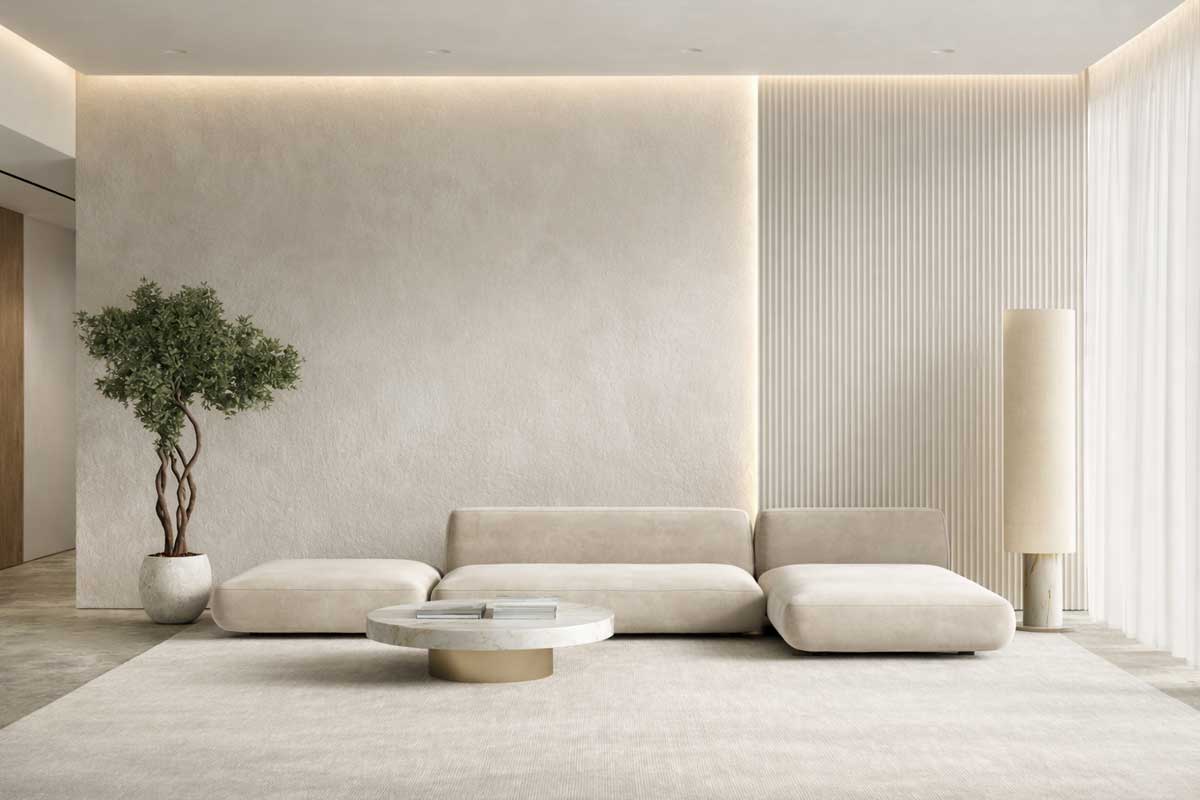
Lighting is one of the most important elements of architectural design. While structure, materials, and spatial layout shape the physical form of a building, lighting determines how people perceive these spaces. A well-designed lighting system improves visibility, highlights architectural features, and creates a comfortable environment for everyday activities.

For architects, lighting design is not just about selecting fixtures. It involves understanding how light interacts with space, surfaces, and human perception. Poorly designed lighting can make even a carefully designed building feel uncomfortable or impractical, while a well-thought-out lighting design can significantly enhance the entire architectural experience.
Understanding the basic principles of lighting design helps architects create interiors that are both functional and visually balanced. In this guide, we’ll look at the basic principles of lighting design and explain what every architect should consider when planning lighting for residential and commercial spaces.
Why lighting design is important in architecture
Lighting plays a crucial role in how architectural spaces function. It influences the perception of size, depth, colors, and textures in an interior.
When designed properly, it improves both the functionality and aesthetic quality of a space.
Key benefits of high-quality lighting design:
- Enhancing the perception of space – the right lighting can make a room appear larger, brighter, and more open.
- Highlighting architecture – light accentuates materials such as wood, concrete, stone, or metal.
- Functionality support – different parts of the building require different lighting conditions depending on their use.
- Creating atmosphere – lighting can evoke a sense of calm, energy, warmth, or drama.
Architects who understand lighting design are able to create spaces that are not only visually appealing but also comfortable for everyday use.
Understanding the three main types of lighting

One of the basic principles of lighting design is layering light. Instead of a single light source, multiple types of lighting with different functions are combined.
Ambient lighting
Ambient lighting provides general illumination of the space. It allows for safe movement and everyday activities.
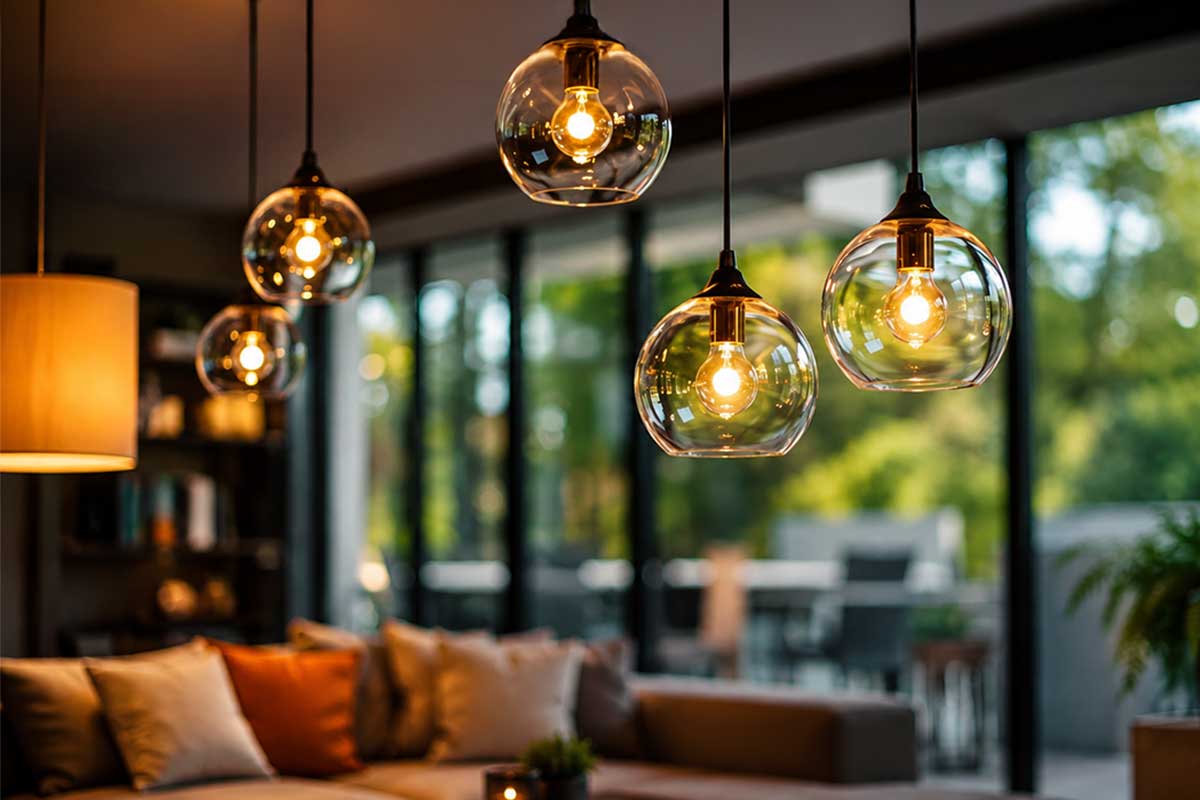
Examples include ceiling lighting, recessed lights, and large pendant lighting. In modern architecture, indirect LED lighting integrated into ceilings or walls is also frequently used to create soft, even light.
Ambient lighting forms the foundation of the entire lighting system and determines the overall level of illumination in a space.
Work lighting
Task lighting is designed for activities that require focused light, such as reading, cooking, working, or personal care.
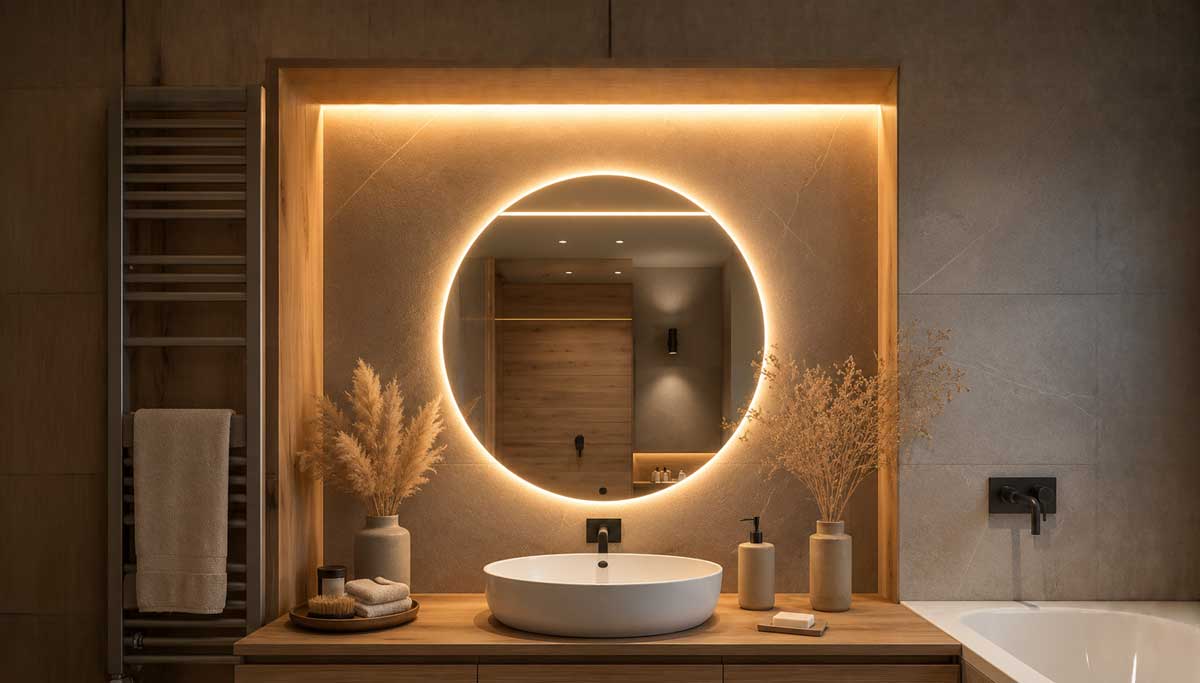
Examples include table lamps, under-cabinet lighting, and bathroom mirror lighting.
Task lighting improves visibility and reduces eye strain during detailed tasks.
Accent lighting
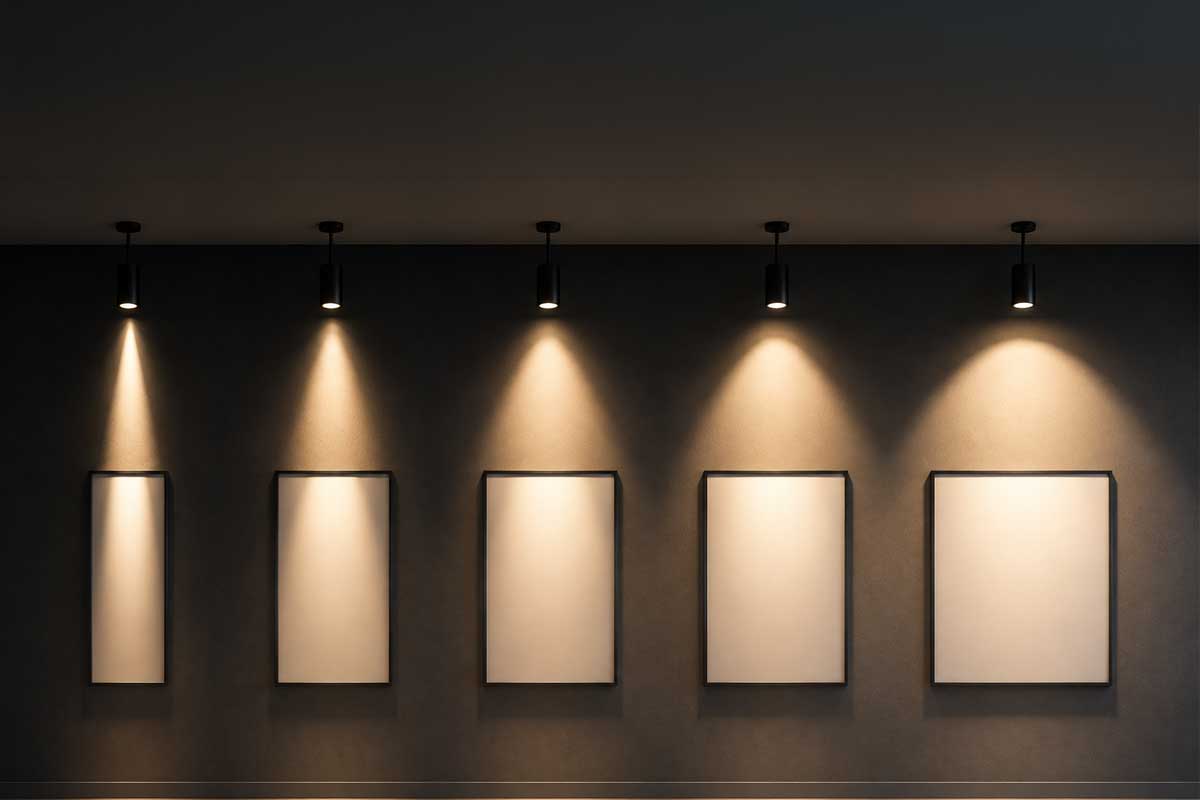
Accent lighting highlights specific architectural or decorative elements. It draws attention to objects such as paintings, sculptures, textured walls, or shelves.
It is often created using spotlights, track lighting, or LED strips.
This type of lighting adds depth and visual interest to a space.
How light influences architectural space

Light has the ability to fundamentally influence the perception of architecture. By controlling intensity, direction, and shadows, architects can highlight important elements of a space.
Highlighting architectural details
Lighting can draw attention to architectural elements such as columns, textured walls, or decorative ceilings. Properly placed spotlights or wallwashers highlight these details and make them more visually striking.
Creating depth in a space
Indirect or layered lighting can visually deepen a space and add dynamism. Distributing light across different surfaces reduces harsh shadows and creates a more pleasant environment.
Improving visual comfort
Lighting design must also take visual comfort into account. Improper placement of lights can cause glare or unpleasant reflections.
Designers therefore often use indirect lighting to achieve a softer and more balanced light.
Choosing the right light temperature
Light temperature is another important aspect of lighting design. It is measured in Kelvin (K) and determines whether the light appears warm or cool.
Different shades of light significantly influence the atmosphere of a space.

Warm light (2700K–3000K)
Warm light creates a soft, yellowish tone that feels pleasant and relaxing. It is primarily used in living spaces such as living rooms, bedrooms, or hotel interiors.
A common question people search for online is:
Why is warm lighting suitable for home use?
Warm light creates a cozy atmosphere and helps people relax, which is why it is used very often in homes.
Neutral light (3500K–4000K)
Neutral light appears brighter and more balanced. It is often used in workspaces, kitchens, and commercial interiors where good visibility is important.
Architects often combine warm and neutral light in different parts of a building to achieve a balance between comfort and functionality.
Technical factors that architects should consider
Architectural lighting design also requires an understanding of the technical parameters that affect lighting performance.
Luminous flux (lumens)
Lumens determine the amount of visible light light light produces. Choosing the right number of lumens ensures sufficient lighting without being too bright.
Beam angle
The beam angle determines how widely the light spreads. A narrow beam angle focuses the light on specific objects, while a wide beam angle provides general illumination.
Energy efficiency
Modern lighting design often uses LED technology, which provides high performance with low energy consumption.
Important tips for architects:
- Combine ambient, task, and accent lighting.
- Consider both the intensity and the color temperature of the light.
- Use indirect lighting to reduce glare.
- Choose energy-efficient LED light sources.
These principles help us design lighting that balances aesthetics and functionality.
Visual inspiration for architectural lighting
Visual examples are very important for understanding the principles of lighting. They help demonstrate how light works in real-world spaces.
Suitable examples include:
- layered lighting diagrams
- Examples of accent lighting on textured walls
- Lighting designs for modern interiors
- Comparison of warm and cool light
These visuals help to better understand the impact of lighting on architecture.
Conclusion
Lighting design is a fundamental part of architecture that influences both the functionality and visual character of a space. By understanding basic principles such as layering of light, intensity, color temperature, and fixture placement, architects can design interiors that are comfortable and visually balanced.
Ambient lighting provides general illumination, task lighting supports specific activities, and accent lighting highlights architectural features. The right combination of these creates a practical and aesthetically pleasing environment.
For architects, mastering the basics of lighting design is key to creating spaces that not only look good but also support the needs and comfort of the people who use them.
Share:
How to properly design the lighting of the apartment step by step
How to illuminate a home art gallery indoors