

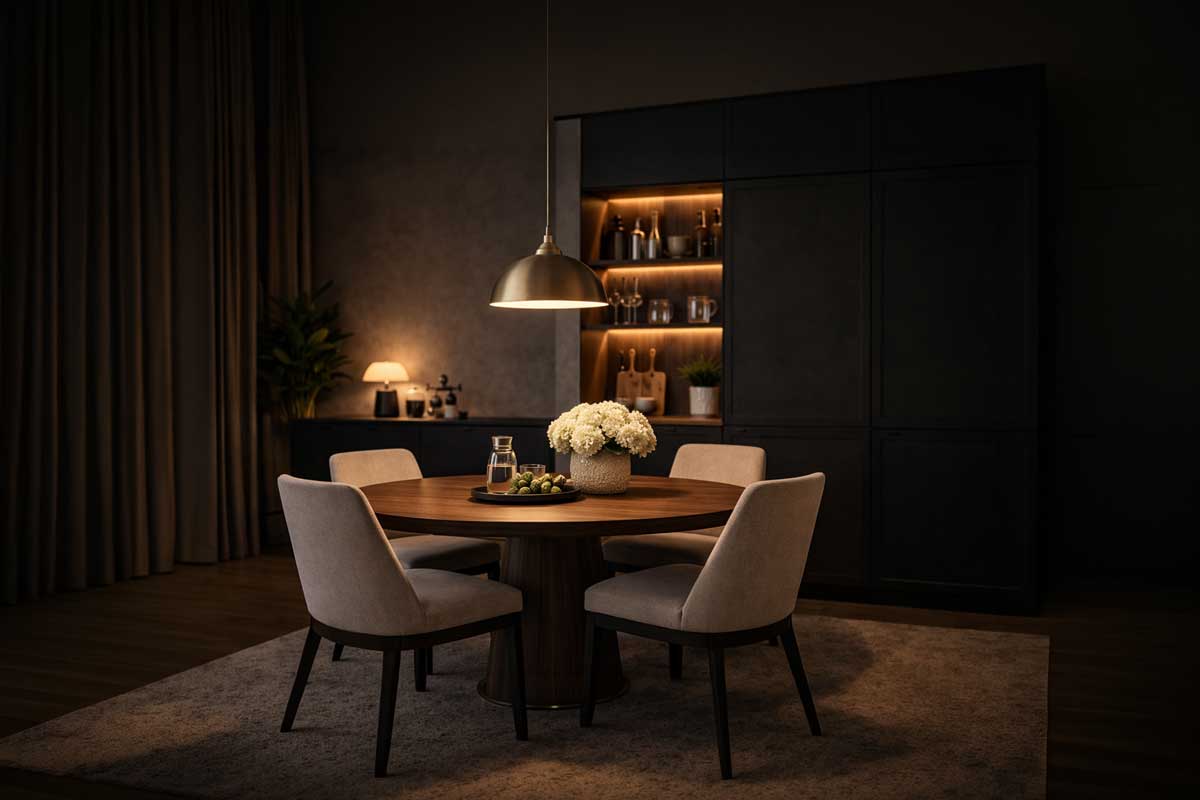
Lighting plays a crucial role in dining room design, and one of the most striking lighting elements is the chandelier positioned above the dining table. A well-chosen chandelier does more than just illuminate the table. It becomes a visual focal point that enhances the overall interior design and helps create a pleasant atmosphere for dining and socializing.
In many homes, the dining table is a place where family members gather, guests are welcomed, and special occasions are celebrated. For this reason, lighting in this area should be both functional and aesthetically pleasing. A chandelier placed above the table can provide focused lighting while also contributing to the style and character of the room.

However, choosing the right chandelier requires careful consideration. Factors such as size, height, light intensity, and color temperature all affect how well the lighting will work in the space. In this guide, we’ll explain how to choose the right chandelier for your dining table and how to ensure it perfectly complements both the room and the table.
Why a chandelier is ideal for dining tables
A chandelier is often considered the main lighting fixture in a dining room. Unlike general ceiling lighting, which illuminates the entire room, a chandelier focuses light directly on the table area.
This type of lighting helps create a more intimate and comfortable atmosphere during meals.
The right chandeliers can:
- Create a visual focal point—a chandelier naturally draws attention and adds character to the dining area.
- Provide focused lighting—the light is directed onto the table, improving visibility while dining.
- Enhance your interior style—designer chandeliers can complement modern, minimalist, or classic interiors.
- Defining the dining area – in open-plan layouts, chandeliers visually separate the dining area from other zones.
Thanks to these advantages, chandeliers are widely used in dining rooms, restaurants, and hotel interiors.
Choosing the right size for a chandelier
One of the most important factors when choosing a chandelier is selecting the right size. A chandelier that is too small can look unimpressive, while light too large can overwhelm the space.
The size of the chandelier should be proportional to both the dining table and the dimensions of the room.
Size of the chandelier relative to the table
A common design rule states that a chandelier should be approximately half to two-thirds the width of the dining table.

For example:
- A 100 cm wide dining table works well with a 50–70 cm wide chandelier
- Larger tables may require wider chandeliers or more light fixtures
Choosing the right width ensures that the chandelier looks balanced and visually harmonious with the table.
Room size
The size of the room should also influence the choice of chandelier. In large dining rooms, it may be necessary to use light larger light or multiple chandeliers to maintain visual balance.
In smaller dining areas, a compact chandelier often works better because it helps maintain a sense of openness and doesn’t make the space feel cluttered.
Determining the correct hanging height
The height at which a chandelier is installed is just as important as its size. Incorrect placement can cause glare or obstruct the view across the table.

Most lighting designers recommend installing a chandelier approximately 70–90 cm above the surface of the dining table.
This height provides sufficient light for the table while ensuring that light does not obstruct the line of sight between people sitting across from each other.
In rooms with higher ceilings, a chandelier can be installed slightly higher up while still maintaining visual balance.
The correct hanging height helps create a comfortable and visually harmonious dining environment.
Choosing the right light intensity
Light intensity plays a key role in dining room lighting. The goal is to ensure sufficient light for comfortable dining without creating lighting that is too bright or harsh.
Modern lighting typically measures intensity in lumens, which indicates the amount of light light light produces.
For most dining tables, a light level between 1,500 and 3,000 lumens is usually sufficient, depending on the size of the table and the room.
Instead of relying on a single strong light source, many designers prefer chandeliers with multiple bulbs. This allows for a more even distribution of light across the entire surface of the table.
Choosing the right light temperature
Light temperature affects the atmosphere of the dining area and can also influence how food looks on the table. It is measured in Kelvin (K).
Warm light (2700K–3000K)
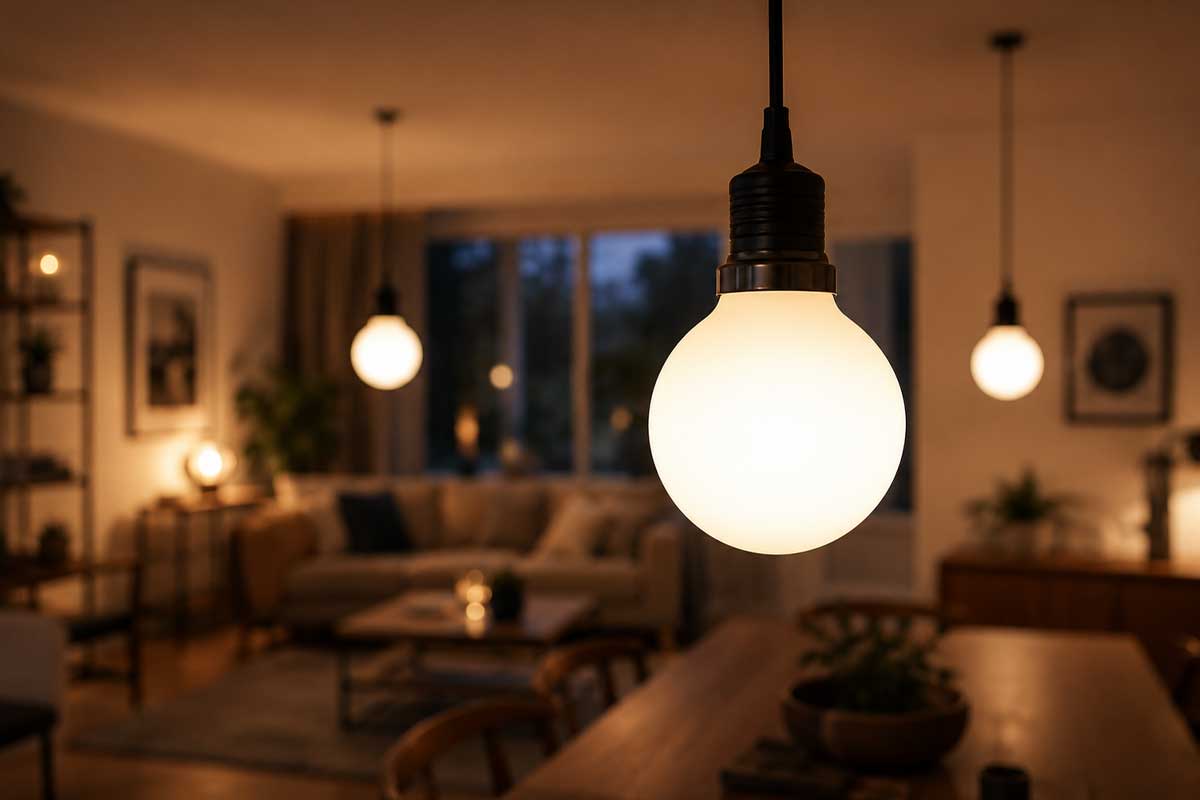
Warm light creates a soft, golden glow that makes for a pleasant and cozy dining atmosphere.
A common question people search for online is:
Why is warm lighting suitable for home use?
Warm light creates a natural and relaxing atmosphere, making it the ideal choice for dining rooms, where people gather to eat and converse.
Neutral light (3000K–3500K)
Neutral light appears slightly brighter and cleaner. It may be suitable for modern interiors or multifunctional dining areas.
However, most designers still prefer warmer light in dining areas because it creates a more pleasant atmosphere.
Choosing the Right Chandelier Style
The style of the chandelier should complement the overall interior design of the dining room.
Modern interiors often feature minimalist chandeliers with clean lines and simple geometric shapes. These lighting provide elegant lighting without overwhelming the space.

Traditional interiors can feature decorative chandeliers with glass, crystal, or metal details that add a sense of luxury and sophistication.
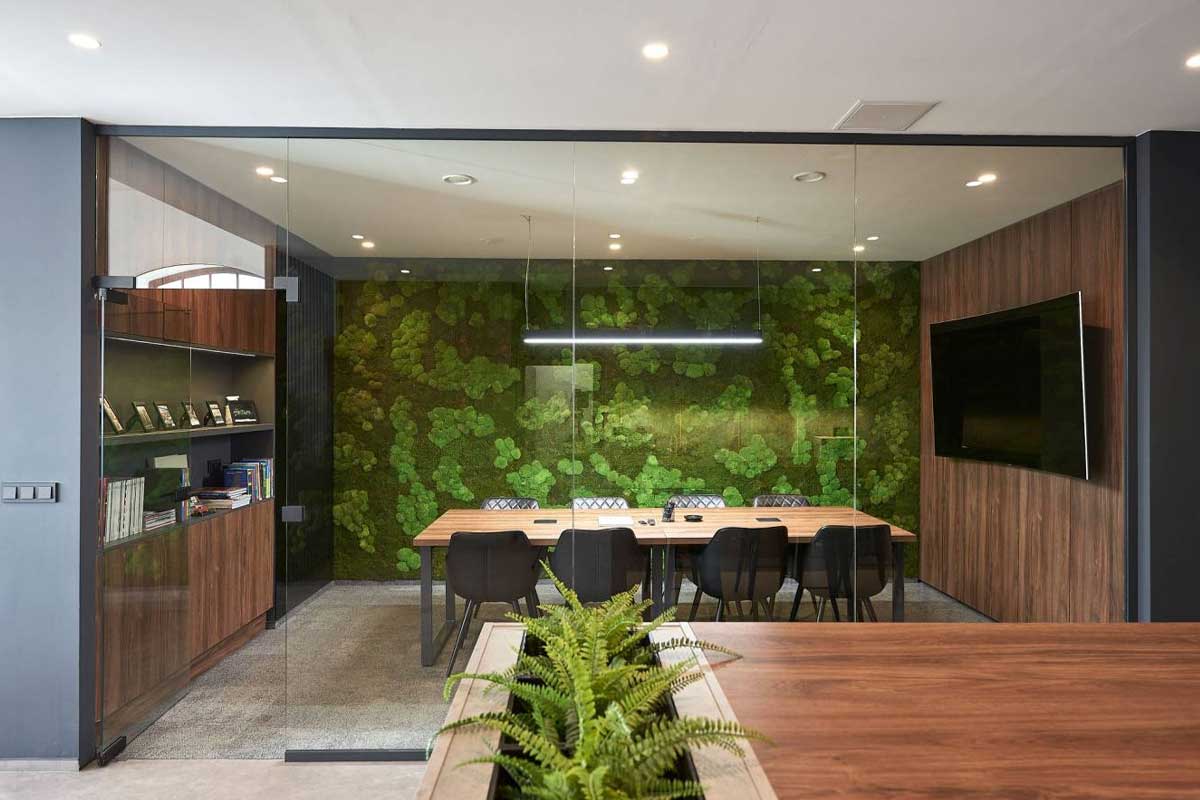
Linear pendant lights for rectangular dining tables are particularly popular in today’s homes. These lighting distribute light evenly across the entire length of the table.
Matching the style of the chandelier to the interior helps create a cohesive and visually appealing space.
Practical tips for choosing a chandelier for your dining table
Choosing the perfect chandelier is easier if you follow a few practical rules.
Helpful tips include:
- Choose a chandelier that is proportionate to the dining table, not the entire room.
- Install light approximately 70–90 cm above the tabletop for comfortable lighting.
- Use warm light (approximately 2700K–3000K) to create a cozy atmosphere.
- Consider dimmable lighting so you can adjust the light intensity to suit different situations.
- For long tables, consider linear chandeliers or multiple pendant lights.
These tips help ensure that the chandelier enhances both the quality of the lighting and the visual design of the dining room.
When chosen and placed correctly, a chandelier can become a focal point that defines the entire dining area.
Visual inspiration for dining room chandeliers
Visual examples can help you better understand how chandeliers influence dining room design.
Suitable examples include:
- chandeliers placed above rectangular dining tables
- Modern linear chandeliers in minimalist interiors
- warm lighting in dining rooms
- charts showing the correct height for hanging a chandelier
These visuals help demonstrate how proper placement of a chandelier improves both lighting and aesthetics.
Conclusion

Choosing the right chandelier for your dining table requires balancing design, size, light intensity, and placement. A well-chosen chandelier not only illuminates the table but also becomes a defining element of the dining room’s interior.
By choosing the right size lighting, installing it at the appropriate height, and selecting the appropriate light temperature, homeowners can create a dining area that is both functional and inviting.
When a chandelier is thoughtfully incorporated into the interior, it enhances the room’s atmosphere and transforms the dining table into a warm and inviting space for gatherings.

Share:
How to design kitchen worktop lighting
How lighting affects the atmosphere of an interior