

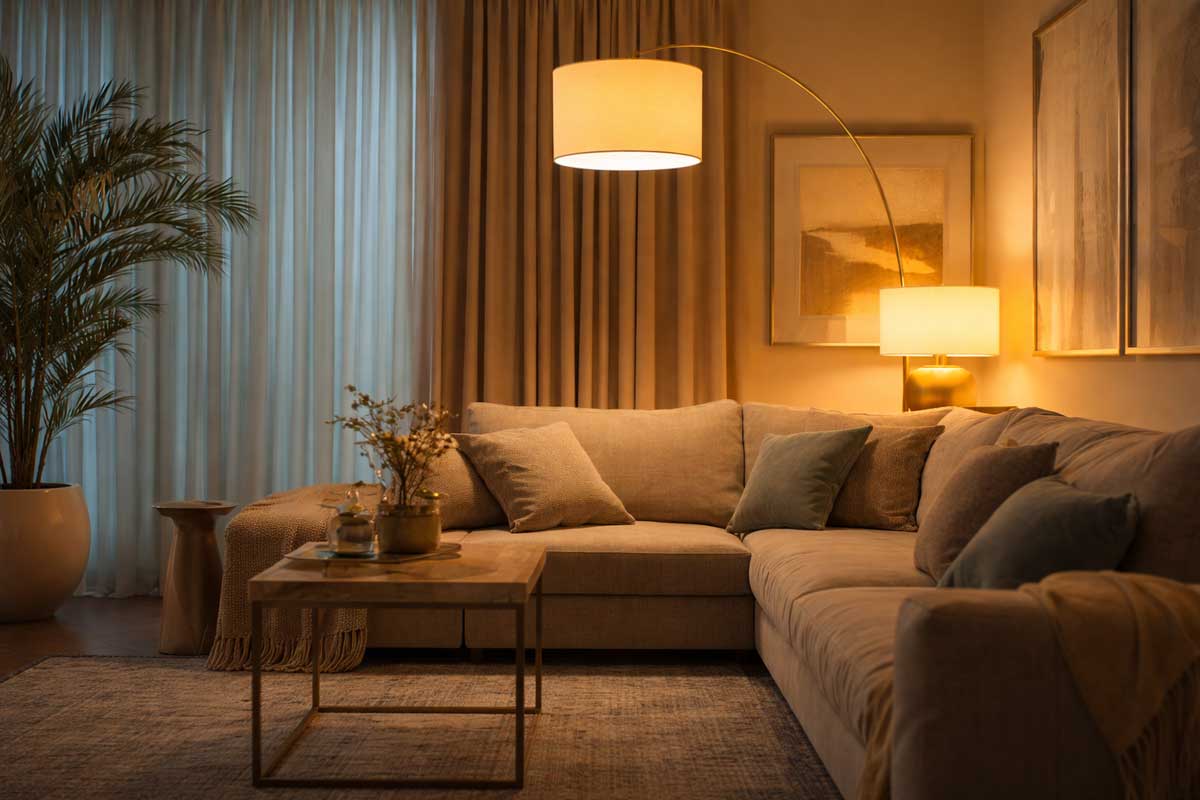
Lighting is one of the most influential elements of interior design. While furniture, colors, and materials shape the visual appearance of a space, lighting determines how we actually feel in it. A room with the same furnishings can feel cozy and relaxing, bright and energetic, or elegant and dramatic—all depending on how it is lit.
Interior designers often describe lighting as an element that brings a space to life. It influences mood, highlights textures, and shapes the visual perception of a space. Poor lighting can make even a beautifully designed interior feel unpleasant or dull, while well-designed lighting can transform a simple space into an attractive and inviting environment.

Lighting design involves several important factors, such as light intensity, color temperature, placement, and layering. By understanding how these elements work together, it is possible to create interiors that enhance both functionality and atmosphere.
In this guide, we’ll explore how lighting affects the atmosphere of an interior and what principles help create a balanced and comfortable lighting environment.
Why lighting plays a key role in creating the atmosphere of an interior
Lighting influences how people perceive and experience a space. It shapes visual comfort, affects mood, and determines how colors and materials appear.
Even a carefully designed interior can look unfinished if the lighting isn’t done right.
Well-designed lighting helps:
- Creating an emotional atmosphere—soft light creates a calm environment, while brighter light adds energy.
- Highlight the design – lighting can accentuate architecture, art, or textures.
- Improve functionality – different activities require different levels of lighting.
- Drawing attention—light helps focus the eye on important elements of a space.
Thanks to these effects, lighting is considered one of the most important tools in interior design.
Understanding light intensity

Light intensity determines how bright a space appears. In modern systems, it is measured in lumens.
The amount of light significantly affects the atmosphere of a room.
Strong lighting
Bright lighting creates a clear and energetic environment. It is used in workspaces, kitchens, or offices where visibility is important.
Such lighting can make a space appear larger and add a sense of dynamism.
Soft lighting
Soft light creates a relaxed and intimate atmosphere. It is used in living rooms, bedrooms, or restaurants.
Lower light intensity often creates a warmer and more pleasant atmosphere.
Balancing strong and soft lighting helps create a comfortable environment.
The Effect of Light Temperature
Light temperature is one of the most important factors influencing the atmosphere. It is measured in Kelvin (K) and describes the color tone of the light.
Different light temperatures create different moods.

Warm light (2700K–3000K)
Warm light creates a soft yellowish tone that feels cozy and comfortable.
A common question people search for online is:
Why is warm lighting suitable for home use?
Warm light is reminiscent of a sunset, which promotes relaxation and a sense of well-being. That is why it is used in living rooms, bedrooms, and hotel interiors.
Neutral and cool light (3500K–5000K)
Neutral and cool light appears brighter and cleaner. It is used in workspaces, kitchens, and offices.
However, when used excessively in residential spaces, it can appear too cold or impersonal.
Choosing the right light temperature helps create the desired atmosphere.
The Importance of Layered Lighting

Professional designers don’t rely on a single light source. They use layered lighting that combines multiple types of light.
Layered lighting creates depth, flexibility, and visual balance.
Ambient lighting
Ambient lighting provides basic illumination in a room and allows for normal movement.
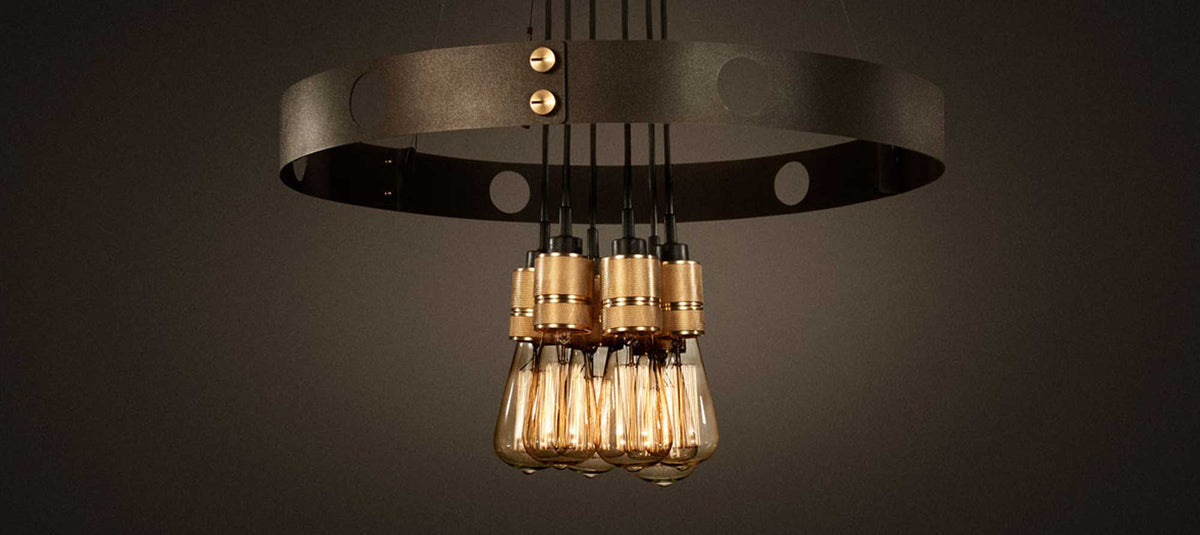
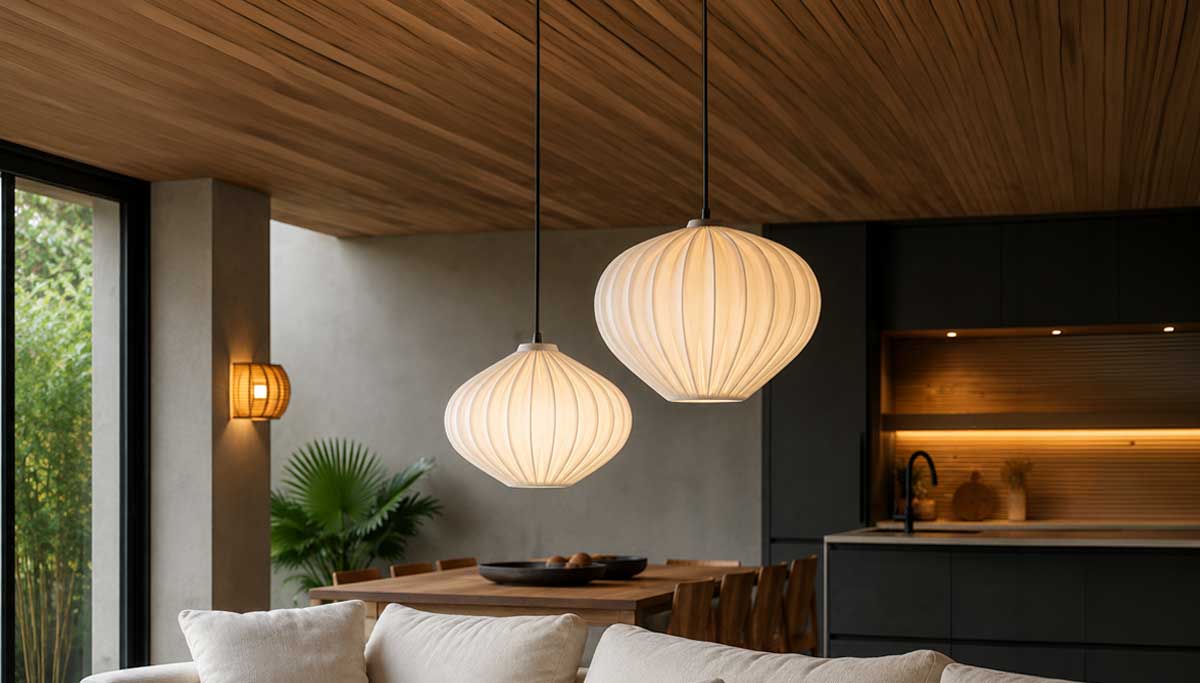
Examples include ceiling lighting, recessed lighting, and pendant lighting.
Work lighting
Task lighting is designed for specific activities, such as reading, cooking, or working.
Typical examples include table lamps, under-cabinet lighting, and task lighting.
Accent lighting
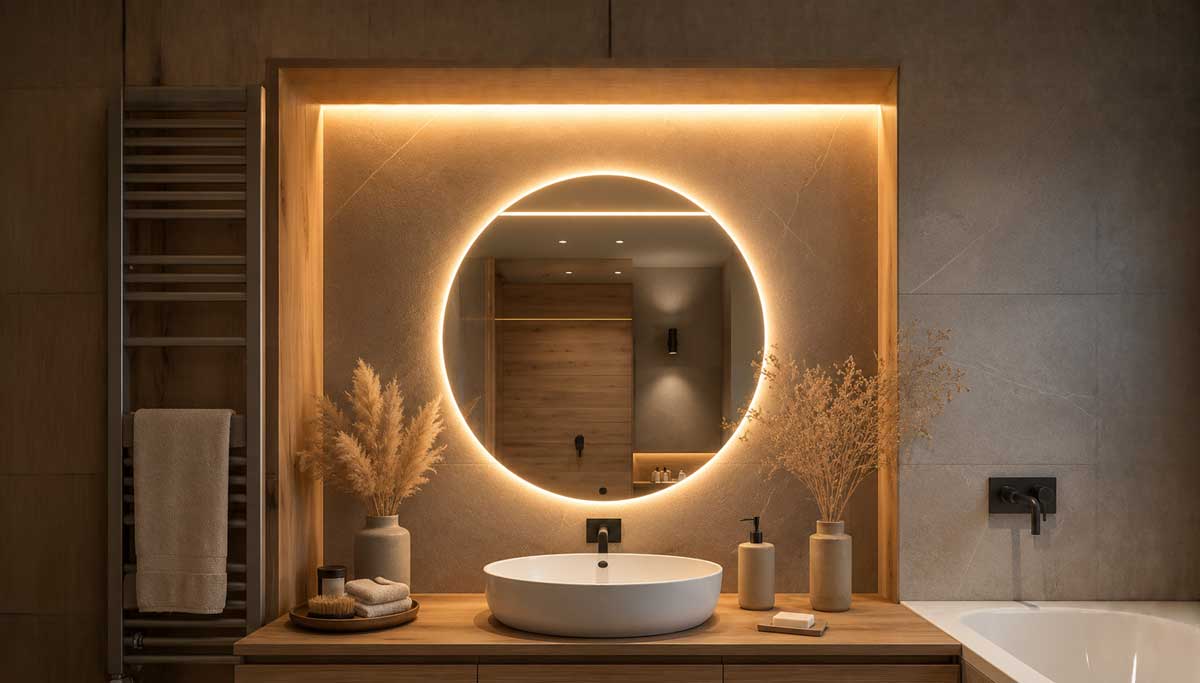
Accent lighting highlights decorative elements such as paintings, textured walls, or shelves.
It adds depth and visual interest to the space.
The combination of these elements creates a space that is both functional and visually appealing.
How lighting highlights materials
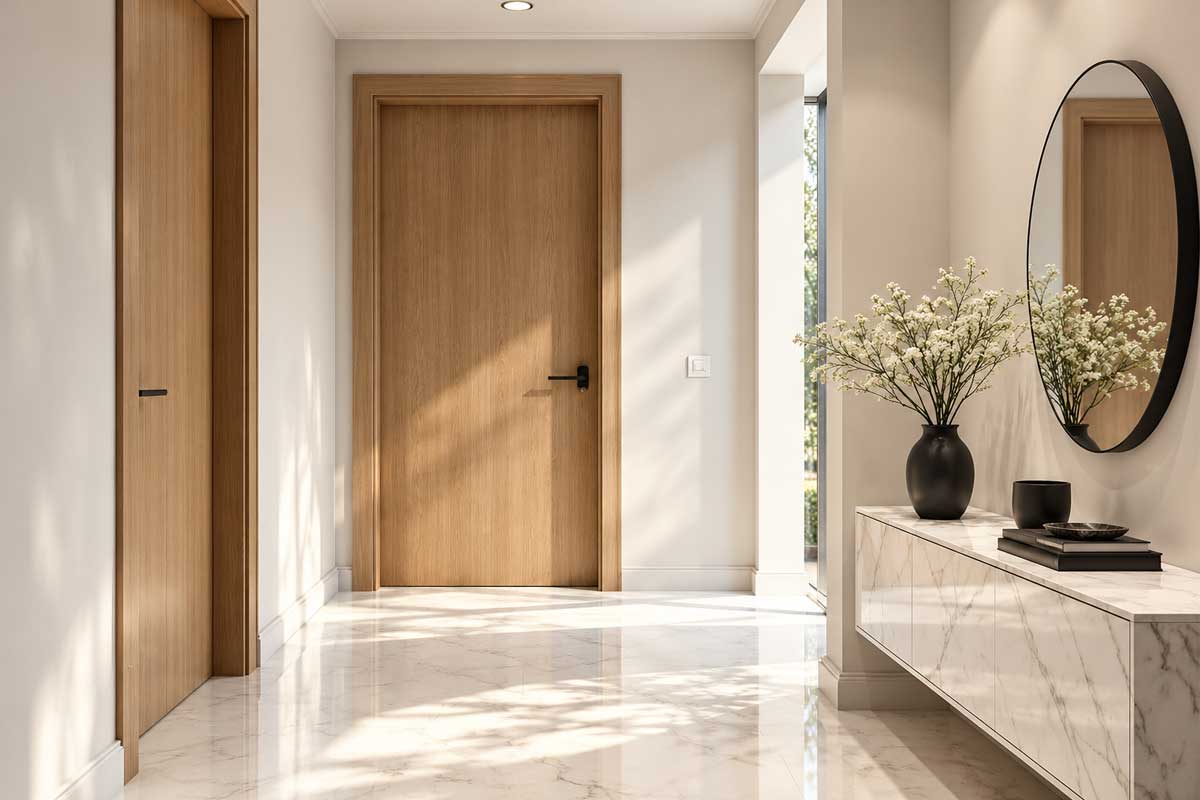
Lighting also affects how materials and colors appear in an interior. Surfaces such as wood, stone, glass, or fabric react to light in different ways.

For example, warm light highlights the texture of wood or fabrics, while directional light can emphasize details on walls.
Accent lighting placed near decorative items helps create a visual focal point.
That is why it is important to consider the placement of lighting as early as the interior design phase.
Practical tips for creating the right atmosphere
Creating a pleasant atmosphere is easier if you follow a few basic principles.
Helpful tips:
- Combine different types of lighting.
- Use warm light in relaxation areas.
- Use brighter lighting in work areas.
- Install dimmable lighting.
- Highlight architectural or decorative elements.
These principles help create a balanced and pleasant interior.
Visual inspiration
Visual examples help illustrate how lighting affects a space.
Suitable examples:
- Comparison of warm and cool lighting
- Layered interior lighting
- Architectural accent lighting
- light temperature charts
These examples help you better understand the impact of light on the atmosphere.
Conclusion
Lighting has a significant impact on the atmosphere of an interior. The right combination of intensity, color temperature, and placement can greatly influence how a space feels.
Warm light creates a cozy atmosphere, while brighter light promotes activity. Layered lighting adds flexibility and depth.
Properly designed lighting enhances both the aesthetics and functionality of a space, creating an environment that is pleasant and balanced.
Well-designed lighting can transform an ordinary interior into a space that is visually appealing and comfortable.


Share:
How to design kitchen worktop lighting
How lighting affects interior colours