

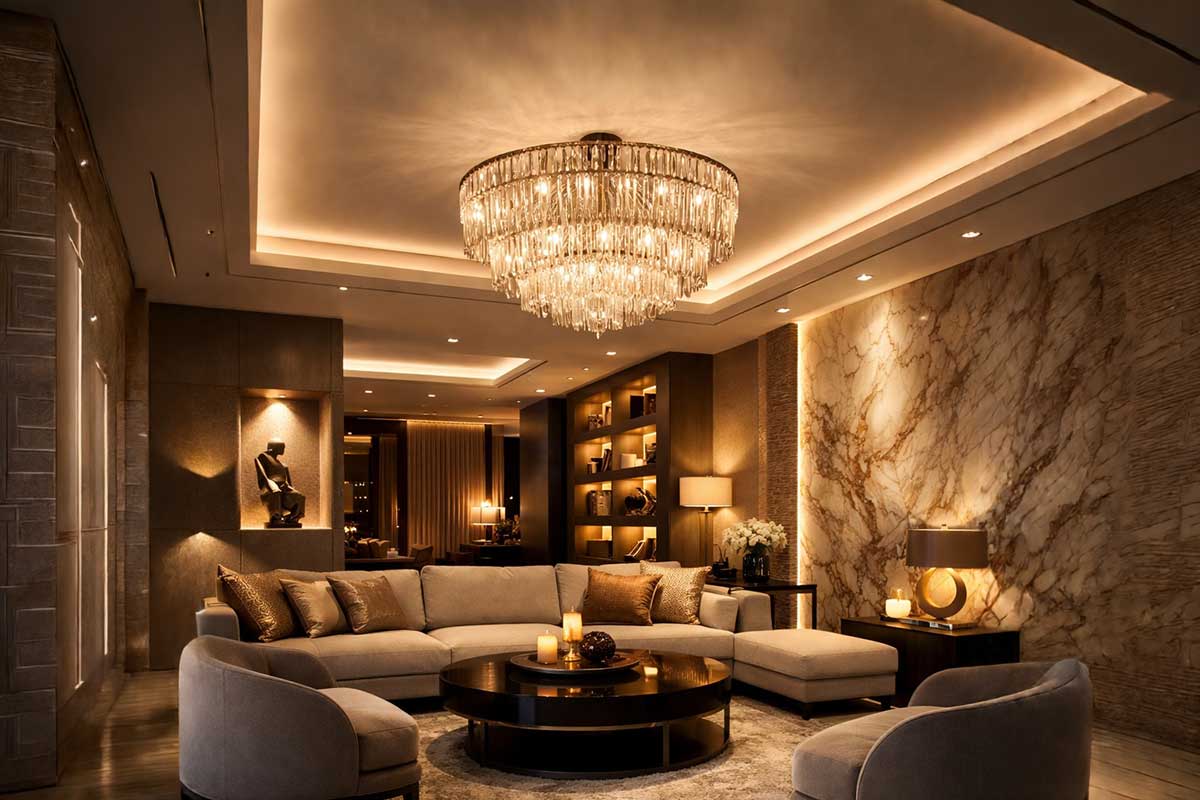
Lighting is one of the most important elements in the design of a luxury apartment. While high-quality furniture, elegant materials, and decorative details define the visual identity of an interior, it is the lighting that truly brings a space to life. Well-designed lighting highlights textures, accentuates architectural features, and creates a pleasant atmosphere for everyday life.

In luxury apartments, lighting is not just about visibility. It is also a powerful design tool that shapes the mood and perception of space. Professional designers often combine ambient and accent lighting to create a layered lighting solution that adds depth, elegance, and functionality to a space.
In this guide, we’ll explain how ambient and accent lighting work together, why they’re essential in luxury interiors, and how to design lighting that enhances both aesthetics and functionality.
Why lighting design is essential in luxury apartments
Luxury interiors often feature premium materials such as marble, glass, metal surfaces, or natural wood. These materials react very strongly to light. Without the right lighting, even a very expensive interior can appear flat and lifeless.

High-quality lighting design offers several advantages:
- Highlighting architectural details – lighting accentuates textured walls, ceilings, or decorative panels.
- Creating a sophisticated atmosphere—soft lighting adds elegance and visual comfort to a space.
- Improved functionality – proper lighting supports activities such as reading, cooking, or working.
- Adding visual layers—combining different types of lighting creates depth and dimension.
That is why lighting is considered one of the most important aspects of designing a luxury apartment.
Understanding Layered Lighting in Luxury Interiors
light single ceiling light is usually not enough to provide quality lighting for a luxury interior. Designers therefore use layered lighting, which combines multiple types of light sources to achieve balance and flexibility.
Ambient lighting
Ambient lighting is the main source of light in a room. It provides overall visibility and allows for comfortable movement within the space.
In luxury apartments, ambient lighting is often created using:
- recessed ceiling lights
- large designer chandeliers
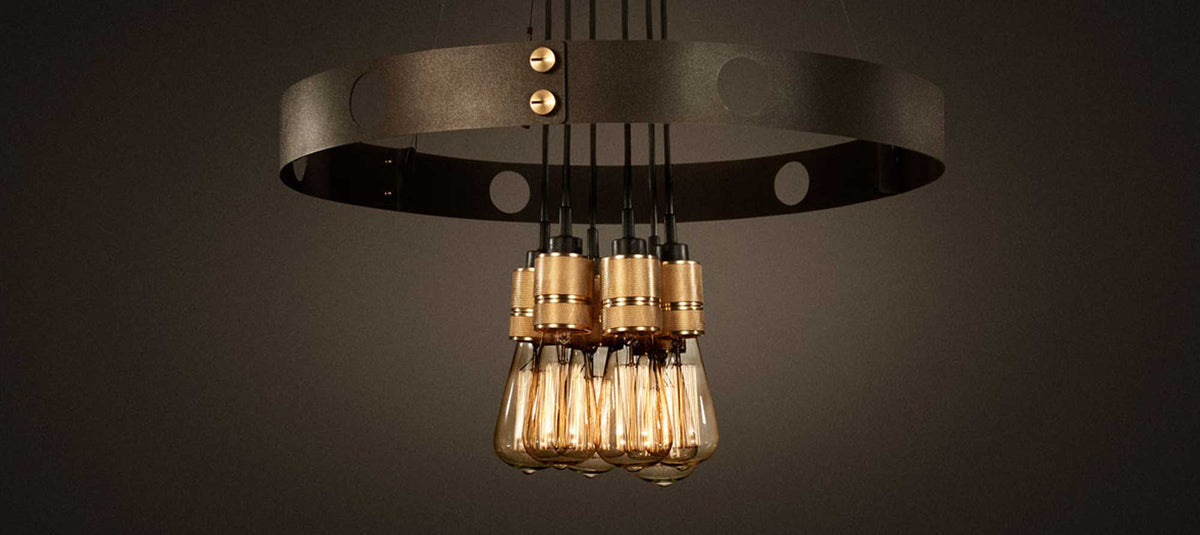
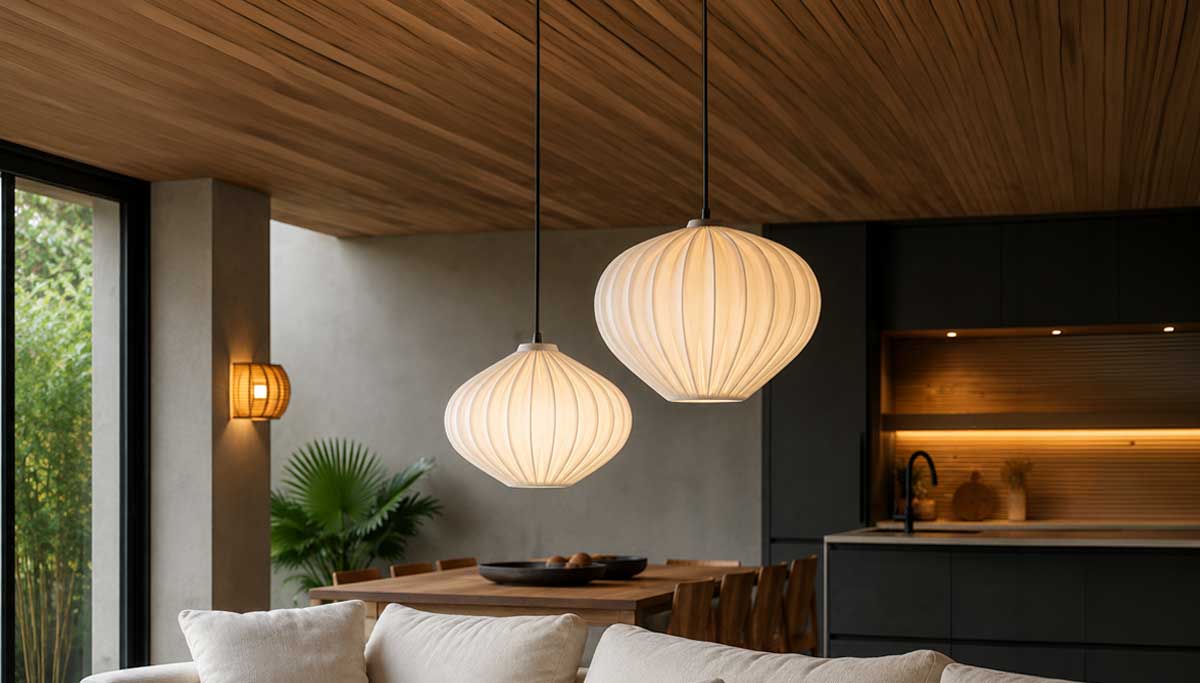
- minimalist pendant lights
- indirect LED lighting in the ceiling
The purpose of ambient lighting is to create the overall atmosphere of a space while ensuring sufficient light levels.
Accent lighting
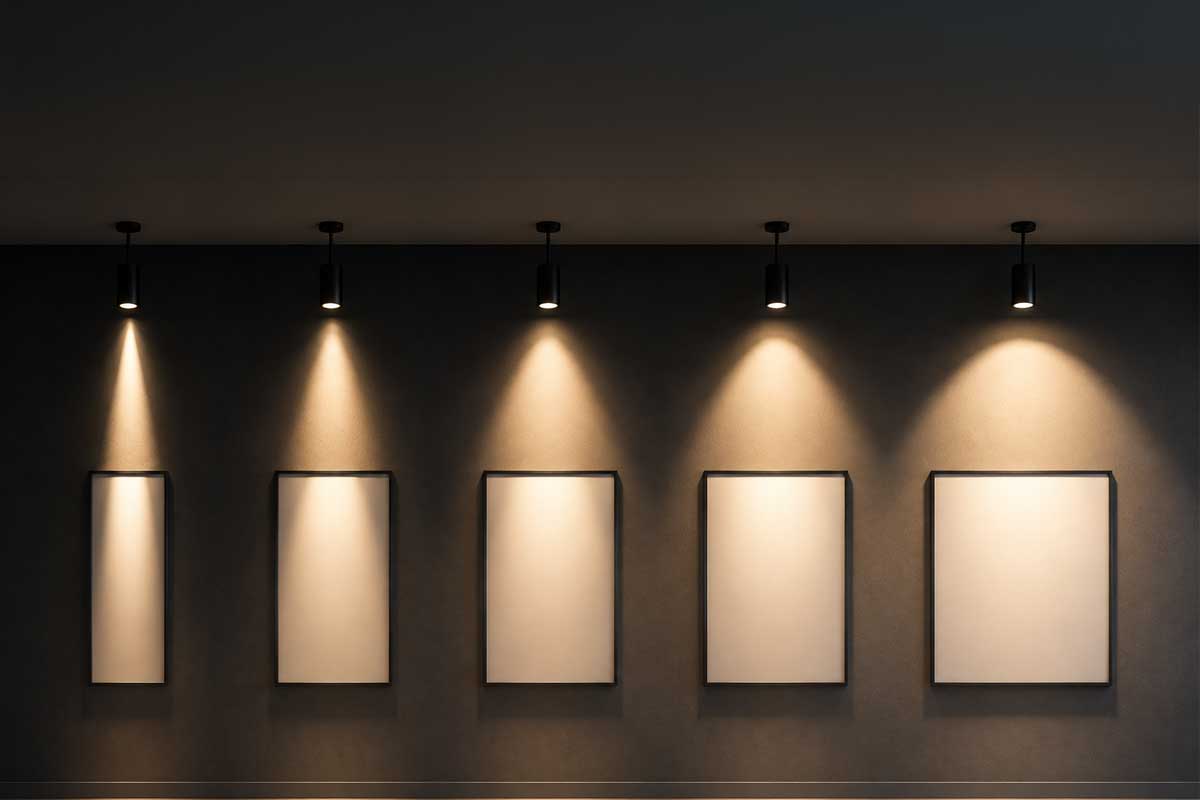
Accent lighting highlights specific elements of the interior. It adds visual interest to a space and helps draw attention to decorative or architectural details.
Examples of accent lighting include:
- Spotlights for illuminating works of art
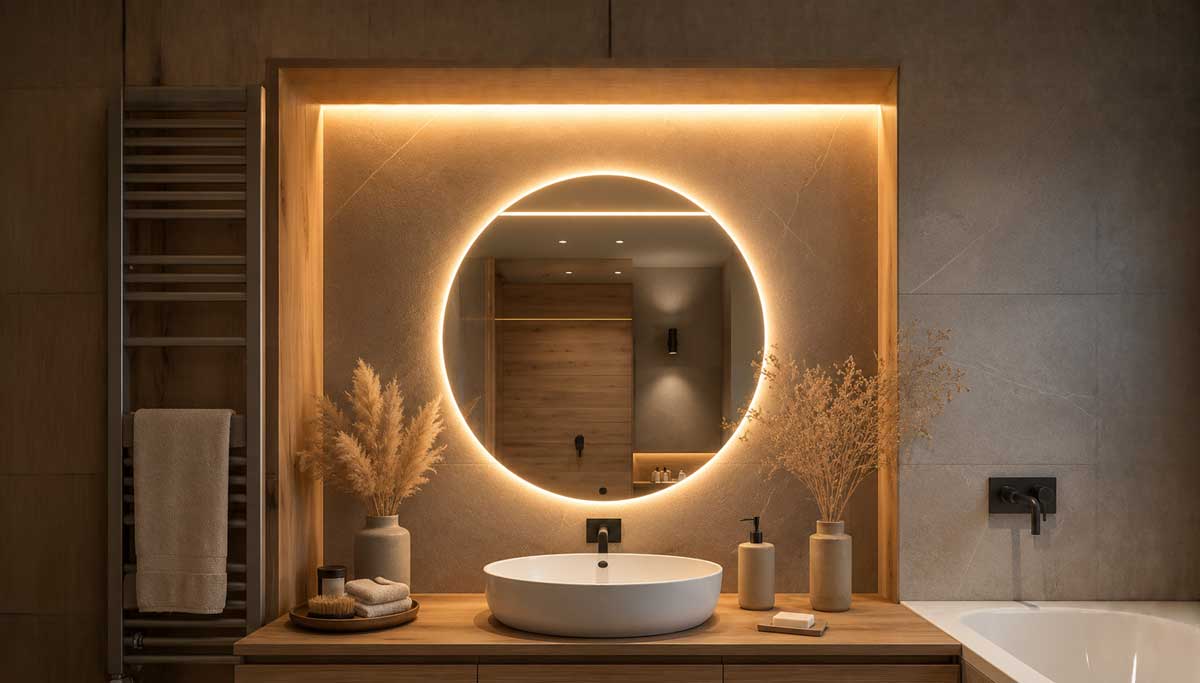
- LED strips behind shelves or cabinets
- Wallwashers that highlight textured walls
- Lighting integrated into staircases or ceilings
Accent lighting is usually more intense than ambient lighting to create contrast and depth.
Work lighting
Task lighting is designed for specific activities, such as reading, cooking, or working. Although it is not always decorative, it is essential for the everyday functionality of a space.
Common examples include:
- bedside reading lamps
- table lamps in work areas
- under-cabinet lighting
Combined with ambient and accent lighting, task lighting ensures that the interior is not only beautiful but also practical.

Choosing the right light temperature
Light temperature is a key factor in luxury lighting design. It is measured in Kelvins (K) and determines whether the light appears warm, neutral, or cool.
Warm light (2700K–3000K)
Warm light creates soft and relaxing illumination, ideal for living spaces. It is often used in living rooms, bedrooms, and dining rooms.
Warm light also highlights natural materials such as wood, fabric, or stone.
A common question people ask is:
Why is warm lighting suitable for home use?
Warm light creates a cozy and pleasant atmosphere that promotes relaxation and comfort in living spaces.
Neutral light (3500K–4000K)
Neutral light appears brighter and more balanced. It is often used in kitchens, bathrooms, and work areas where good visibility is important.
It maintains a modern interior look while providing comfortable lighting.
Using a consistent light temperature across different fixtures helps maintain visual harmony throughout the space.

Practical tips for combining ambient and accent lighting
Creating luxurious lighting requires careful planning and balance. The following recommendations will help you achieve the best results.
Practical tips:
- Take advantage of indirect lighting—hidden LED strips in ceilings or furniture create a soft and elegant glow.
- Highlight key elements—accent lights can draw attention to artwork, decorative walls, or architectural details.
- Balance the light intensity—ambient lighting provides the foundation, while accent lighting adds dynamism.
- Install dimmers—they let you adjust the lighting to suit the time of day or your mood.
- Choose high-quality lighting—premium products improve both durability and visual appeal.
These strategies help create interiors that feel luxurious, comfortable, and visually balanced.
Visual inspiration for lighting a luxury apartment
Visual examples make it easier to understand the principles of lighting. The images help you see how light works in real interiors.
Suitable examples include:
- Living rooms featuring a combination of ambient and accent lighting
- Luxury interiors with indirect LED ceiling lighting
- Artworks illuminated by spotlights
- layered lighting diagrams
These visuals provide inspiration and help illustrate how different lighting techniques transform a space.
Conclusion
Lighting is one of the most powerful tools in luxury apartment design. By combining ambient lighting with strategically placed accent lighting, you can create an interior that is both elegant and functional.
Understanding the layers of lighting, choosing the right color temperature, and utilizing modern technologies such as dimmable LED lights allows us to create sophisticated spaces that enhance both aesthetics and comfort.
Well-designed lighting transforms a luxury apartment into a visually striking and comfortable space for everyday living, both day and night.

Share:
The most common mistakes in lighting design
Lighting loft apartment - industrial style in practice